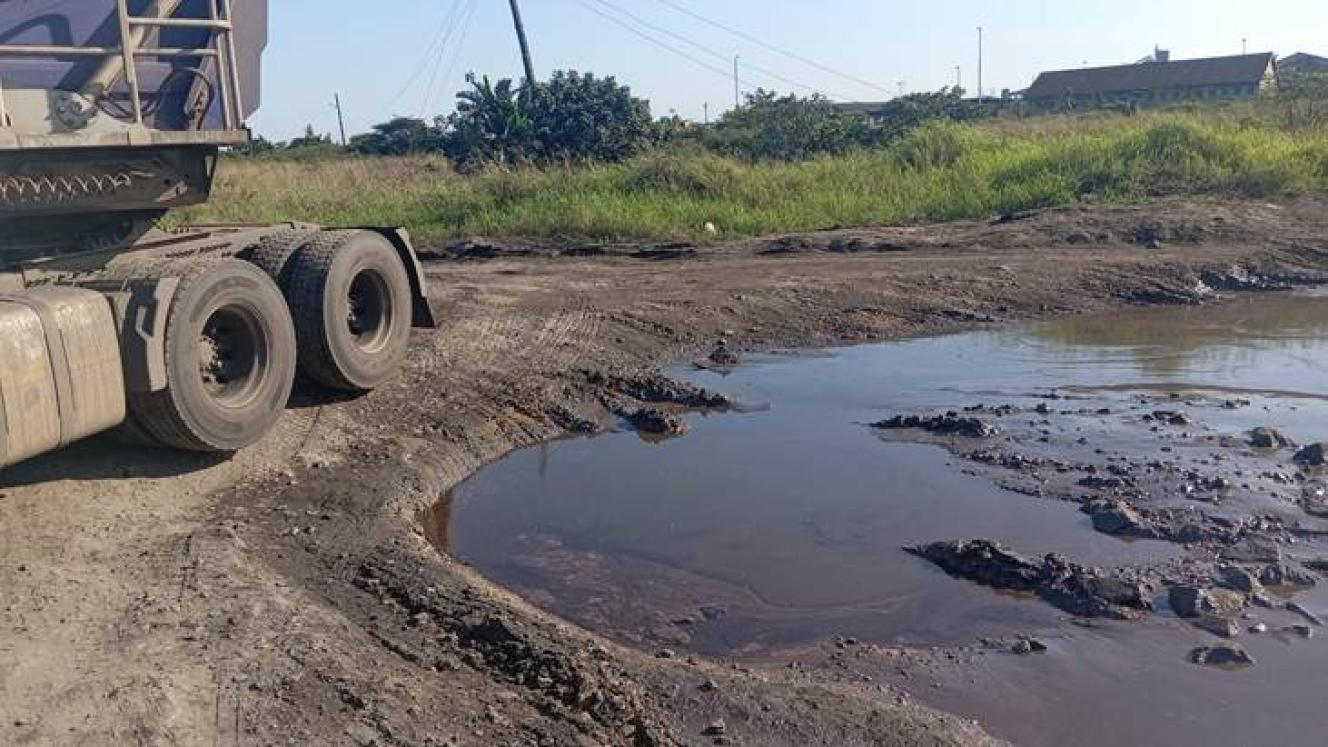
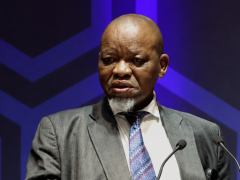
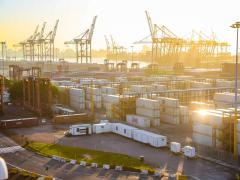
The Port of Durban will invest R30 billion in expanding and upgrading its facilities and systems to ensure it stays globally and regionally competitive. “We are aware of the challenges – which include operational efficiency as well as heavy traffic congestion from trucks entering and departing the port – and are addressing them," Zeph Ndlovu, general manager for KwaZulu Natal (KZN) operations at Transnet Port Terminals, told FTW last week. “Durban port has been under-funded for some time and we have a huge backlog, which is why we are investing aggressively to turn that around within five years.” He said the ambitious plans would ready the port to meet its projected demand to handle 3.5 million TEUs per annum by 2019. The port is currently handling 2.8m. “The plans include deepening and expanding the berths at Durban Container Terminal (DCT) to accommodate increasingly larger container vessels,” said Ndlovu. An environmental impact assessment (EIA) study is currently under way on the closing of the basin between DCT Pier 1 and Pier 2 and Ndlovu expects the project to be completed within five years. He said that the port was increasing its crane f leet as well to boost performance and would take delivery of two new ship-to-shore (STS) tandem lift cranes at the end of 2015. “We initially focused on training the crane operators and are now seeing great results in improved productivity, with the cranes currently able to lift four TEUs at a time. We are moving towards lifting six at a time,” Ndlovu said. Plans to increase capacity and up operational efficiency at the Durban Car Terminal are being fast-tracked. “The automotive sector is one of the fastest-growing industries in Durban and the terminal handled 16 000 units above its 480 000-unit capacity last year, so expansion is critical,” said Ndlovu. He believes that the Port of Durban has a lot of competitive advantages over its regional and national counterparts – including experience, size and location – but said that all ports had a “finite capacity” and that they needed to function above the demand line to ensure continued growth. “We welcome the fact that ports within the southern Africa region are developing as well as it can only boost intra-regional and global trade for the region. And as we develop together, we can learn and share experiences and become a strong regional competitor,” said Ndlovu. He added that Transnet was exploring regional opportunities in operating ports or sharing the operation of ports into the rest of Africa. INSERT & CAPTION We are aware of the challenges ― which include operational efficiency ― and are addressing them. – Zeph Ndlovu
Durban port gets aggressive
Comments | 0
© Now Media. This content is protected by copyright and may not be adapted or republished. If you would like to discuss cooperation opportunities, please contact: editor@freightnews.co.za.