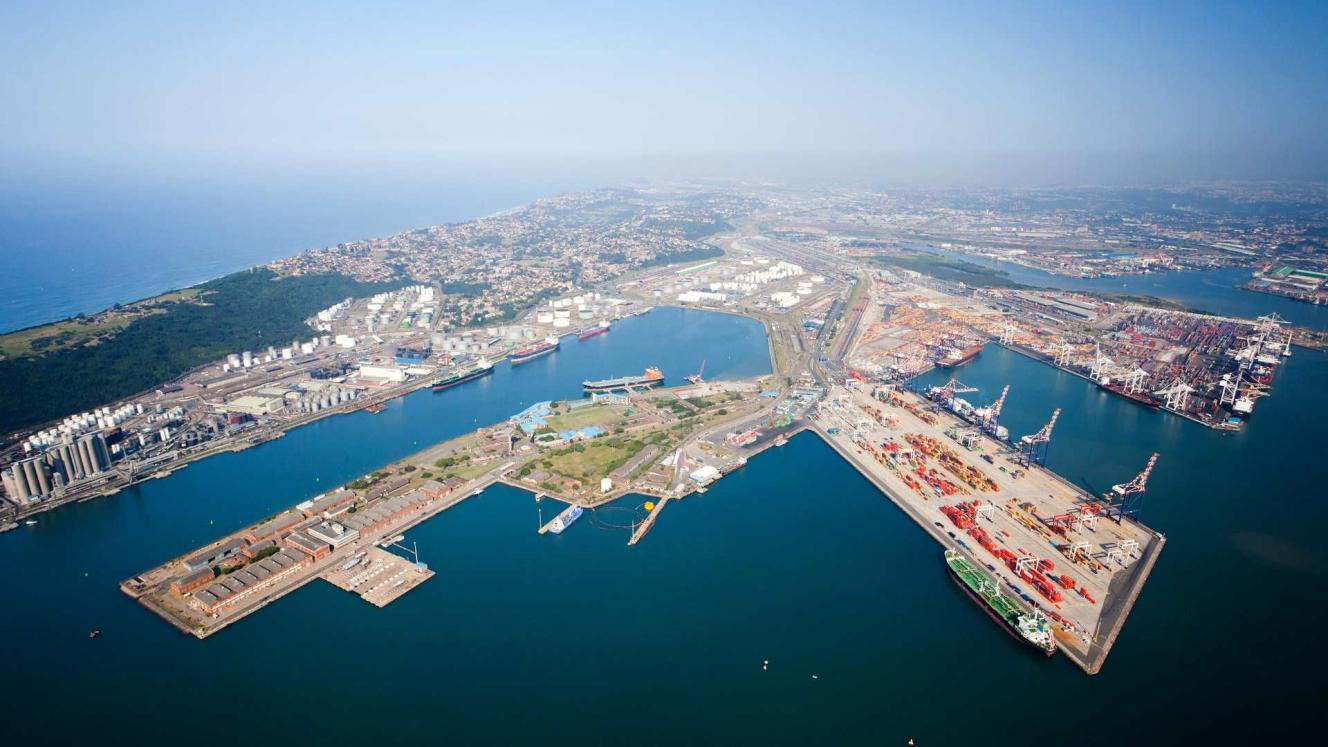
When Durban sneezes, Cape Town gets pneumonia – and judging by the latest turn of events it’s a dose of double pneumonia. According to Terry Gale, chairman of the Exporters’ Club Western Cape (ECWC), congestion at the Port of Durban has always affected Cape Town – but the situation is getting worse. “In the past two months it has become a serious concern, with goods sometimes not moving for two weeks,” he says. “Because of the congestion in Durban or the upgrades that are taking place, decisions are made by shipping lines that directly affect Cape Town and for some reason it is a decision that always affects Cape Town negatively – either they bypass the port or arrive much later than expected.” One cargo owner, who preferred not to be named, told FTW how he missed a major deadline in February due to this situation. “Our cargo was due in the first week of February and we had about five days to play with in the event of delays. Due to the vessel bypassing Cape Town and deciding to discharge in the Eastern Cape because of congestion in Durban, the cargo finally arrived in the last week of February. This has been an extremely costly exercise.” According to Gale, because of Durban delays, vessels are either discharging cargo in the Eastern Cape or bypassing the Cape completely. “We are seeing more frequently what is being termed ‘cut and run’ by liners,” he said. “And of course we understand that they have deadlines to meet and cannot delay on the South African coast, but it is becoming a major problem in Cape Town.” According to International Liner Agencies’ (ILA) Gary Bedser, explaining to customers is becoming a tricky affair, as stack dates are unknown until the last minute. “When vessels don’t arrive cargo is standing – sometimes for up to two weeks – at the port as it waits for another vessel to stop. That is completely out of our hands and from a groupage point of view becomes costly when people want their cargo removed and then airfreighted for example,” he said. It is a situation the Western Cape can ill afford. In January this year alone the Port of Cape Town was wind-bound for 255 hours. “So either the cargo stands because the vessels are not stopping here because of Durban, or the cargo stands because the wind blows,” said another cargo owner. “It is a no-win situation and since much of the cargo is perishable, it is a disaster waiting to happen.” Gale said while imports were increasingly being transhipped from the Eastern Cape where the cargo is being dropped while vessels wait for berthing spots in Durban, exports have been affected just as negatively. “In February we had a situation where the stack dates were announced late on a Friday afternoon and were open on the Saturday and the Sunday. Getting staff to work overtime at that late notice is extremely difficult and it is all happening because of the unpredictability of vessels due to Durban’s stranglehold on Cape Town.” Jerome Wolhuter of CHC Container Depot in Cape Town agrees, saying it is becoming increasingly difficult to work around the unpredictability of service. “It is hampering our service to the freight industry,” he said. “These delays are having a negative impact in the Cape Town freight industry to a point where new importers cannot continue importing as too often the deadlines are not met. The result is lost sales or liability for penalty clauses which they just can’t afford.” INSERT ‘Either the cargo stands because vessels bypass the port – or because the wind blows.’ CAPTION The Port of Cape Town … ready for action, but often bypassed.
Durban congestion squeezes Cape Town off the schedule
Comments | 0
© Now Media. This content is protected by copyright and may not be adapted or republished. If you would like to discuss cooperation opportunities, please contact: editor@freightnews.co.za.