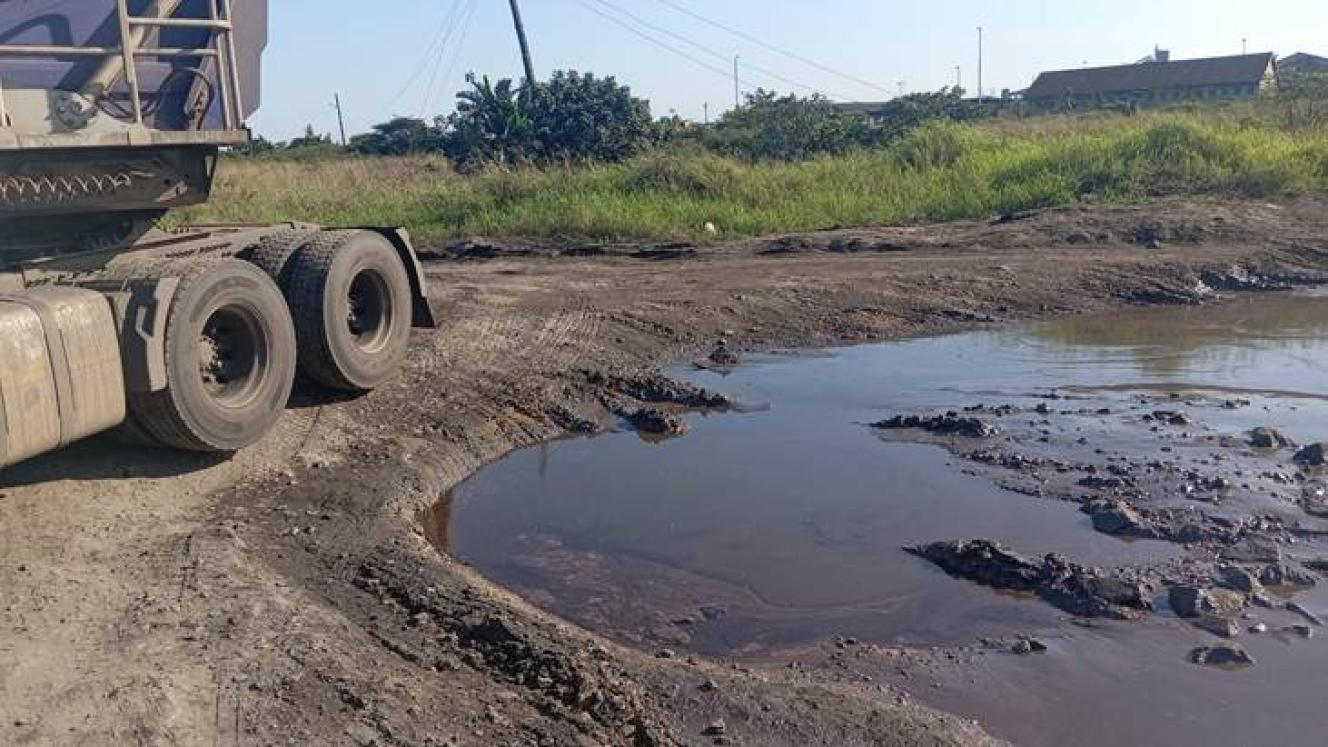
As this issue went to press on Monday morning, the Road Freight Employers’ Association (RFEA) and Unions had failed to resolve the dispute with striking workers after talks on Friday, Saturday and Sunday deadlocked. The Unions are still demanding double digit figures – this amidst a strike that has already cost the industry significantly. “As much as the RFEA wishes to resolve this dispute, we must also be cautious not to agree to an increase that is not sustainable,” said executive officer of the RFEA, Magretia Brown- Engelbrecht. A further meeting of the RFEA and unions was scheduled for Wednesday (October 3). Three Cash-In-Transit member companies have signed an agreement with the Motor Transport Workers’ Union (MTWU) members. The RFEA however stressed this agreement was not sanctioned by them or any of the unions, while the MTWU general secretary was also distancing himself from the agreement. The RFEA believes that the conduct of these companies undermines the road freight collective bargaining forum and has opposed their conduct. “Whatever settlement is eventually reached will also apply to CIT, since it will be the only agreement that will be enforceable once promulgated and extended by the Minister of Labour,” said Brown-Engelbrecht. And as the countrywide strike by thousands of truck drivers entered its second week, there was concern over the impact on deliveries of food, fuel and steel. Some petrol tank drivers have joined the strike, according to transport union South African Transport and Allied Workers’ Union (Satawu). The SA Petroleum Industry Association warned that there could be some delays to fuel deliveries if the strike continued. Steel producers have also said that deliveries to customers could be affected if a resolution is not found soon. “For the moment, I don’t see the strike hitting our deliveries to customers,” a spokesman for South Africa’s largest steelmaker, ArcelorMittal South Africa, said. “People would be consuming from their stocks. But if the strike continues, Amsa will need to look at how to get stock out to merchants.” If there are delays in steel deliveries and stocks at end users run low, it could delay construction projects and adversely affect industries like the automotive sector. Because trucks deliver food to stores and fuel to service stations, the national strike of truck drivers could bring the South African economy to a standstill. Workers are demanding a 12% pay rise. The RFEA has made a revised offer of 8.5%, but the union has not agreed to this revised offer. The strike, which started on September 25, escalated into violence in the Western Cape, parts of Gauteng where truck drivers were blocking roads, as well as in Durban. CAPTION Escalation of violence ... angry strikers set fire to a truck.
Downstream strike impact raises concern
Comments | 0
© Now Media. This content is protected by copyright and may not be adapted or republished. If you would like to discuss cooperation opportunities, please contact: editor@freightnews.co.za.