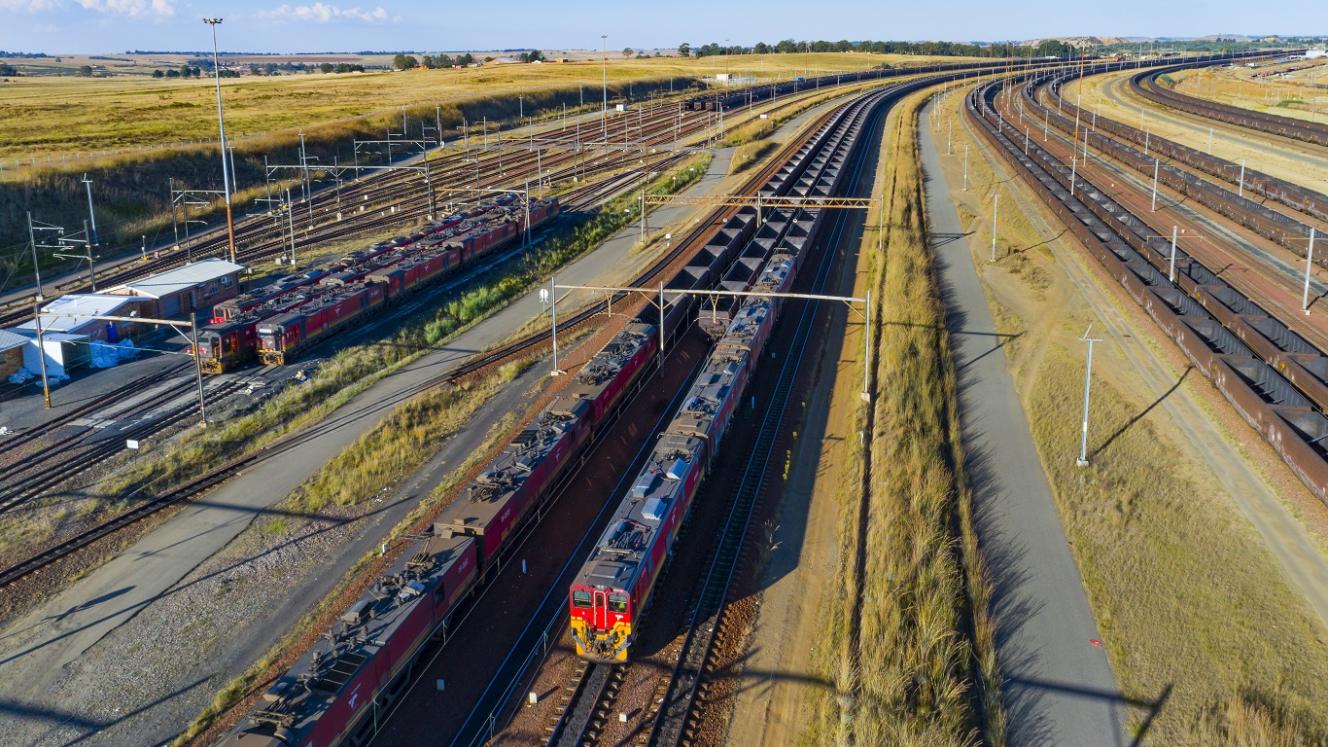
IF YOU own a truck, head up to Zambia. If you don’t own a truck, buy one and head up to Zambia. Last year FTW reported that the Zambian economy was booming, this year the word most bandied around is “exploding”. As the world demand for copper continues to increase, so does the price of copper, with the result that more and more is being invested by international mining houses into Zambia’s Copperbelt. Existing mines have increased production and new mines have started producing with the result that the demand for roadfreight transport for the export of copper and, to a lesser extent, the import of mining and related equipment, is quickly outstripping the supply. The ideal would be to transport the copper concentrate and cathodes by rail but virtually all parties are in agreement that the rail infrastructure across Southern and Central Africa does not currently lend itself to the productive utilisation of this mode. Even Transnet is being criticised for being unable to provide reliable delivery times for cargo to and from the Zambian border. Of concern is the fuel price which continues to increase unabated. Zambia reportedly has the most expensive fuel in the region at R18.06 per litre of diesel and R20.91 per litre of unleaded premium petrol as of 1 July 2008. Jet fuel increased by a whopping 50% at the beginning of July, making airfreight a luxury practically no-one can afford and seriously hampering the export of perishables. Although the increase in the fuel price is a global phenomenon, locally the situation is exacerbated by Zambia’s landlocked status and the recent closure of its only refinery situated in the Copperbelt region. The local currency, the kwacha, is also strengthening and while all revenue is in US dollars, all costs have to be paid in kwacha which makes it an extremely expensive country in which to live and conduct business. Over the past year the kwacha has gained 25%, from approximately 4 000 to the US$ to 3 200 as at July 1. From a regional perspective, the problems in Zimbabwe have strengthened the Zambian economy as investors in Central Africa prefer the safer and more politically stable environment where the threat of nationalisation doesn’t continually hang over them. On the agricultural front, many ex-Zimbabwean tobacco farmers came to Zambia to start afresh but they were dealt a double-whammy with the kwacha gaining in strength and inflation falling from 15% to 11%. Established farmers who did not require major capital investment to start up are not as affected, but the agricultural sector will most likely not expand until the kwacha weakens again.
Demand outstrips supply as economy ‘explodes’
Comments | 0
© Now Media. This content is protected by copyright and may not be adapted or republished. If you would like to discuss cooperation opportunities, please contact: editor@freightnews.co.za.