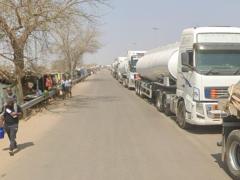
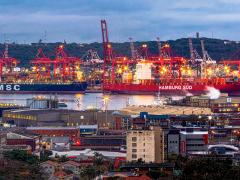
Plans to introduce a carbon tax have been revived, with national treasury issuing the second draft of the carbon tax bill for public comment. Once implemented the tax will have far-reaching implications for the transportation sector and its customers. Different formulas are proposed for air, road, rail, water-born and pipeline transportation. There are also formulas for individual commodities, such as oil, as well as different mining and manufacturing operations. Once implemented the tax would be factored into viability studies to determine the best position from a logistics perspective for processes that are subject to the carbon tax. A proposed trade exposure allowance of up to 10% will be determined on a sectoral basis. The draft bill states the allowance will be “measured by value of exports plus imports divided by the total production by sector or subsector that must be determined in a manner prescribed by the minister by regulation rather than a company basis and will take into account both imports and exports." The tax is being introduced to support South Africa’s commitment to the UN and COP17 to reduce greenhouse gas (GHG) emissions by 34% by 2020 and 42% by 2025 compared to the “business as usual” estimates. Companies will have to put new systems in place to be compliant – the Receiver of Revenue (which will administer the tax) will require payments every six months. It is speculated that the tax will be introduced in 2019 or 2020. The draft carbon tax bill is available on the treasury website. Treasury has invited stakeholders to submit written comments on the draft bill by close of business on 9 March 2018 to carbontaxbillcomments@treasury. gov.za
IMAGE