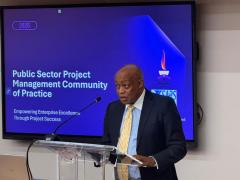
The new Customs Acts – set to be enacted in the middle to later part of 2015 – will hold importers and exporters far more accountable in terms of compliance – and as a result a lot of companies will have to review their processes. It was with this in mind that David Liebenberg, who has 24 years’ customs brokerage and compliance experience, saw a gap in the market and established D Liebenberg Consulting last month. “With customs processes changing and systems becoming automated, the gaps in compliance are closing. What some companies managed to get away with in the past will no longer be possible,” he said. He told FTW there was a reason compliance was the current number one global trade focus. “The risks associated with noncompliance are increasing and companies can ill afford the associated delays and costs.” He said that his business was established to help importers/ exporters and clearing and forwarding agencies “get their house in order” before the new Customs acts come into effect. He noted that although customs was a “relatively small” part of the industry, it was a vital cog in the greater supply chain machine. Customs noncompliance could potentially bring the whole chain to a grinding halt. According to Liebenberg, non-compliance is often due to a lack of knowledge, clarity and misinformation. “There is a lack of skills and in-depth understanding of the customs and clearing processes, restrictions and regulations.” With the right skills and the correct information however, companies can achieve compliance, cut down on delays and red tape and better manage the costs associated with new regulations, Liebenberg pointed out. He has notched up several years of experience in the field, having worked for the South African Revenue Service (Sars) in Durban. He was previously senior manager customs brokerage and compliance, Africa and Gulf States for UTi South Africa. INSERT & CAPTION The risks associated with non-compliance are increasing and companies can ill afford the associated delays and costs. – David Liebenberg
Customs specialist sets up consultancy
Comments | 0
© Now Media. This content is protected by copyright and may not be adapted or republished. If you would like to discuss cooperation opportunities, please contact: editor@freightnews.co.za.