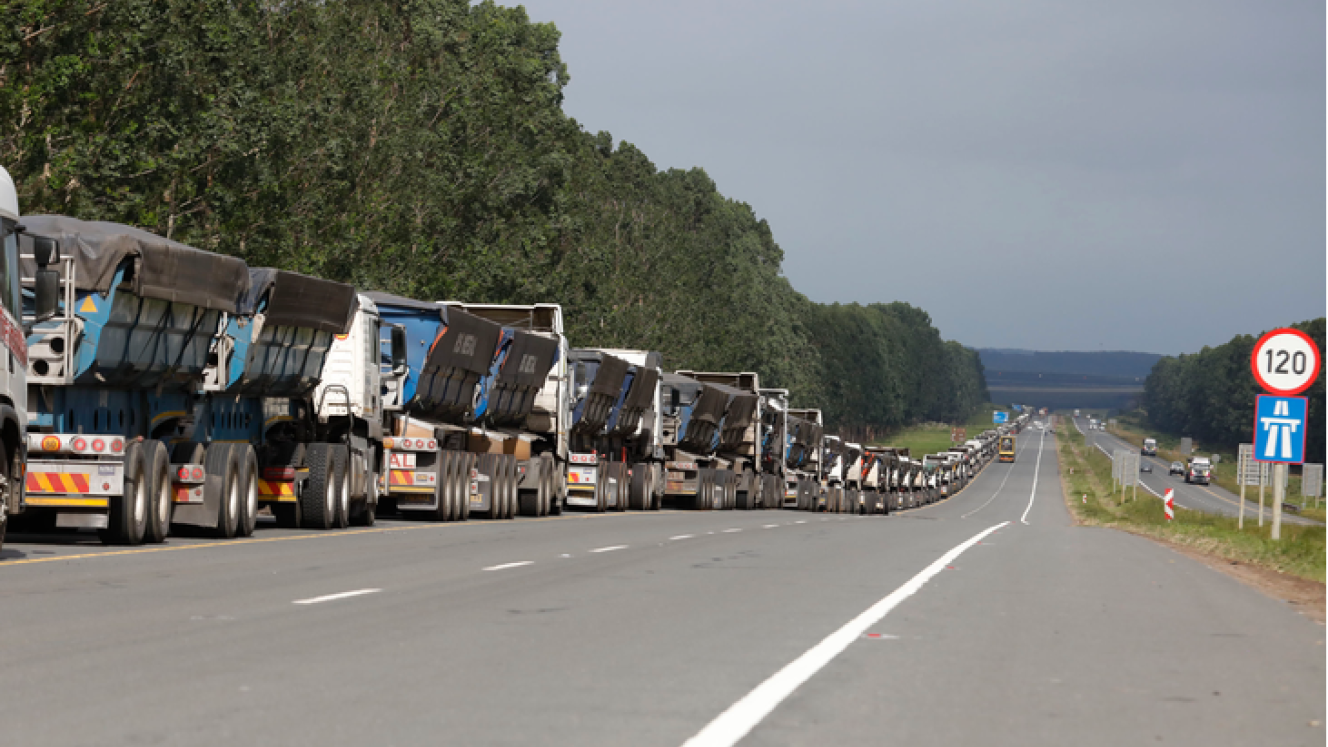
The new customs bills, which have raised serious concerns in the freight industry, are now on the last leg of their voyage into promulgation. Public hearings will probably take place in the next few months, and it is expected that deliberations will continue well into 2014. Maritime lawyer, Andrew Pike, a senior partner in Van Velden Pike Incorporated, told FTW that there were a number of issues that the private sector was planning to contest. “Because the proposed changes do not seem to be in anyone’s interest - with more negative than positive implications – I suggest that the logistics industry should present a collaborative and consolidated perspective on the benchmark of international examples. He listed for FTW a number of the concerns about the bills which have been raised. The primary issue is that, by the combination of the new Customs Control Bill and Customs Duty Bill, goods must be cleared at the first port of entry – and inland ports have not been named as such. Said Pike: “Inland ports will be deprived of the business which would otherwise have been done whilst the cargo was in bond in Johannesburg. This will have the knock-on effect of job losses.” With marine insurance terminating at the seaport, the importer will also have to take out goods in transit (GIT) insurance. “Given that the marine insurance premium would be no different whether the cargo was going to the seaport or an inland port,” he said, “this duplication of insurance will result in payment of additional premiums by importers.” The lack of capacity at the Durban State warehouse for overstay cargo has led to container depots being deemed ‘virtual State warehouses’ under the existing Customs and Excise Act. “And this,” Pike said, “presents another congestion problem to the container depots, and leads to importers having to pay depots for storage, which they wouldn’t for the State warehouse.” “Also, once cargo is in a container depot, it is not likely to be brought back into the Durban container terminal (DCT) terminal to be transported by rail. The result is more road transport, contrary to national transport and Transnet policy - to move more onto rail.” Cargo being carried directly to the customers under merchant haulage, he added, “is contrary to the policy for establishment and implementation of inland depots”. Pike also pointed out what he termed “the peripheral consequences”. “With more congestion at the seaports,” he said, “there will be delays in moving containers inland – and delays mean increased demurrage. “Also, the earlier payment of duties for cargo destined for the hinterland is likely to present cash flow difficulties to importers – who will have a delay in taking delivery of their cargoes or on-selling them. “And additional handling means additional costs to the importer. “In summary, there is a virtual certainty that significant higher costs will be incurred by importers, whether from insurance, additional handling, demurrage, or the other Customs-related delays in congestion. These costs will be passed on to consumers, which will have an adverse effect on the economy." INSERT Duplication of insurance will result in payment of additional premiums by importers. CAPTION City Deep – the end of the road? Photo: Shannon Van Zyl
Customs Bills on last leg of voyage
Comments | 0
© Now Media. This content is protected by copyright and may not be adapted or republished. If you would like to discuss cooperation opportunities, please contact: editor@freightnews.co.za.