Almost 49% of businesses
in Cape Town see the
drought as a threat to their
survival.
This is according to
a survey of members
conducted by the Cape
Chamber of Commerce
and Industry which also
found that the crisis had
caused 23% of responding
firms to postpone or halt
new investments in their
businesses.
“It is clear that we have
a major crisis on our
hands and it is time to
slash the red tape and take
emergency measures,” said
Janine Myburgh, president
of the Chamber. “Unless we
do so without delay we will
suffer long-term damage
to the economy and the
reputation of the city.”
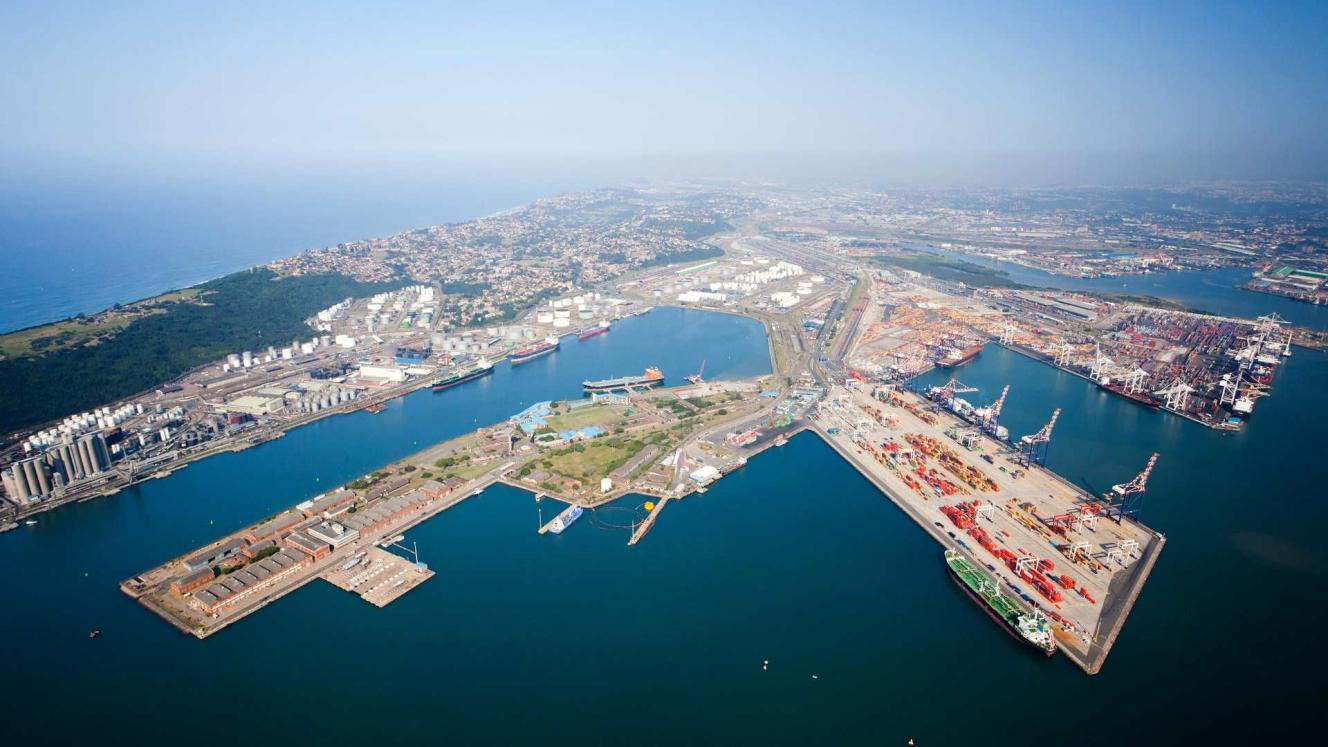
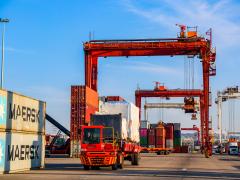
At the Port of Cape Town
water restrictions have
resulted in a ban on all
use of municipal drinkingquality
water for outside
and non-essential purposes.
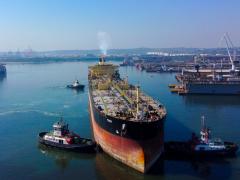
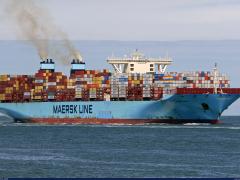
The port has suspended
the sale and supply of
potable fresh water to
vessels calling at the Port of
Cape Town, with exceptions
considered only
in extreme cases
and on merit.
Vessels have
been requested
to take in water
at other ports
not affected by
the drought,
but this could
be problematic since water
restrictions are in place
not only in Cape Town
but also Mossel Bay, Port
Elizabeth and Ngqura. The
Port of Durban is under
tremendous pressure as it
deals with the aftermath of
the recent storm.
According to a spokesman
for the Cape Town port,
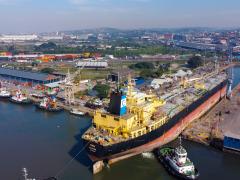
ship repairers have been
requested to advise their
clientele that no fresh
water will be available
for any repair work to
vessels during their stay
in dry docks
and that
alternative
mobile water
supplies need
to be used.
“Lay-by
vessels and
repair vessels
not in the dry
dock will have
to generate
their own water on-board or
from available desalination
systems which can be
acquired locally,” said the
spokesman.
According to the port, the
restrictions also apply to
all port tenants and much
effort is being made to
ensure compliance.
“Until natural drought
relief is realised by way of
sustained rainfall, these
measures are to remain in
force until further notice,”
said the spokesman.
Myburgh said the drought
in Cape Town called for
a move away
from normal
bureaucratic
procedure.
The City of
Cape Town has
been under
fire over the
slow progress
in the water
augmentation programme,
with the first tender bids
received for small-scale
temporary containerised
desalination plants being
non-responsive. The tenders
were being re-advertised.
Last week the city
activated water rationing as
part of the implementation
of its Critical Water
Shortages Management
Disaster plan. This action
intensifies the preceding
months of pressure
management which
continues to be undertaken
in an attempt
to force water
consumption
down to
required
levels.
Dam
storage
levels remain
critically
low at
38.5%, with
usable water at 28.5% and
consumption at 585 million
litres of collective usage per
day.
Sixty-five percent of
businesses said they had
made changes or new
investments in their
businesses to ensure that
they used less water in
future years and 45% said
they had developed longterm
plans to make their
businesses less dependent
on municipal water
supplies.
Comments from
businesses indicated that
a wide range of firms were
already affected by the
crisis. Those hit particularly
hard were hotels, guest
houses, catering firms,
restaurants and others
who provided services
for the tourist industry.
Landscaping and gardening
services were already
shedding jobs.
A variety of
manufacturing operations
were affected as water was
used as an essential item in
production and cleaning.
“Without water, we close
down,” said one respondent
bluntly.
INSERT
49% The percentage of
businesses in CT that see
the drought as a threat
to their survival.
INSERT & CAPTION
It is time to slash the
red tape and take
emergency measures.
– Janine Myburgh