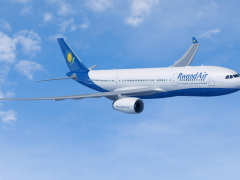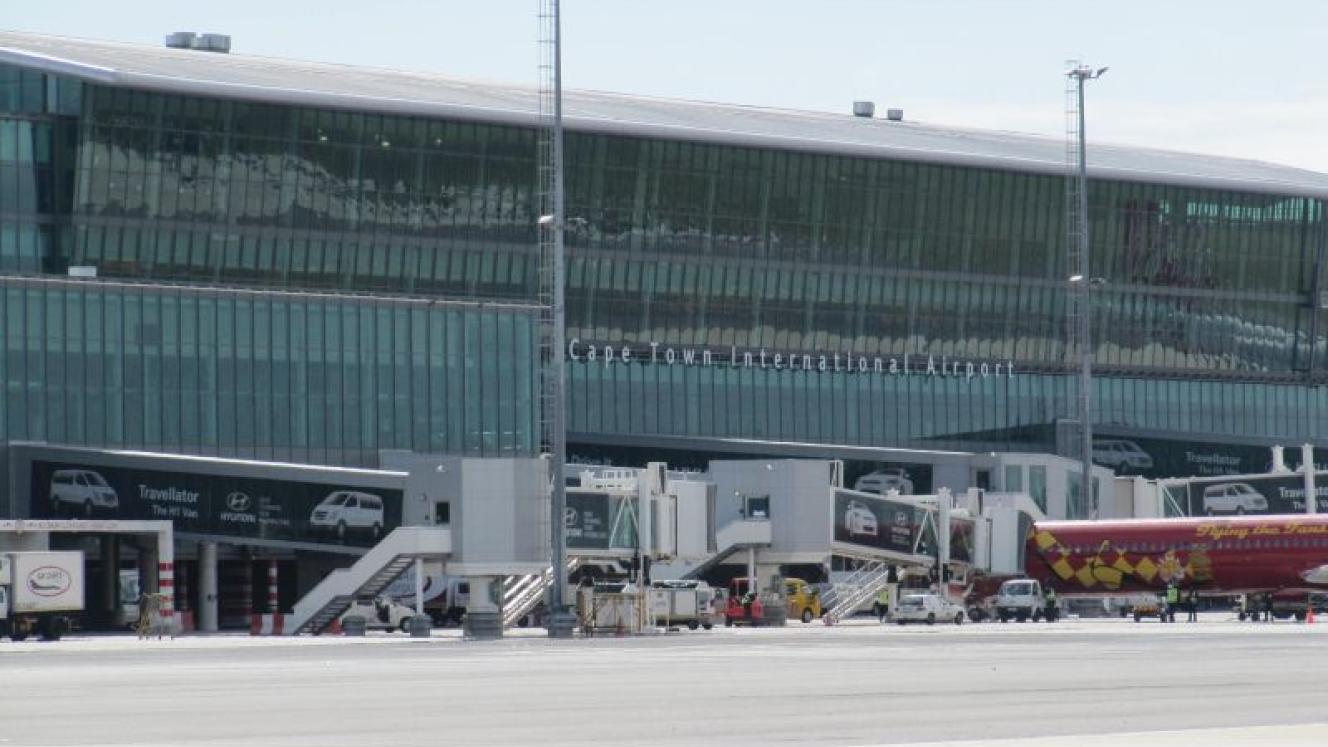
Airfreight out of Cape Town International Airport grew by a whopping 52% in 2017 – and most of this was on the back of the provincial Air Access programme.
Launched in 2015 by Wesgro along with Airports Company South Africa (Acsa), its objective is to improve direct connectivity between Cape Town and the rest of the world, Acsa assistant general manager: client and passenger services, Gavin Scott, told members of the Exporters’ Club Western Cape (ECWC) last week.
“The focus to date has been on passengers and cargo really has been a secondary story,” said Wesgro CEO Tim Harris. “Looking at the numbers we clearly now need to have a dedicated cargo strategy. We can see how strong we are growing thanks to the increased belly space in the increased number of aircraft flying into Cape Town. Cargo, going forward, will become a bigger story.”
According to Scott airfreight volumes have been on the increase since 2014, recording around 10% growth year-on-year.
“Between 2014 and 2017 Cape Town volumes increased by 13 000 tonnes, a growth of around 32%,” he said. “At least 60% of the growth we have seen - including the 52% growth last year - is inbound and the rest is outbound.”
At present the airport handles around 87 300 tons of cargo per year compared to OR Tambo International Airport’s 425 000 tons.
“The Johannesburg operation is slightly different to us. They have a huge amount of dedicated freighter operations whereas we have no freighters servicing Cape Town and all of the volume is moved in the belly of passenger aircraft.”
Scott said the majority of airfreight moving out of Cape Town was to Europe, but a significant increase had been seen more recently in volumes to the Middle East which he attributed to the “Emirates effect”.
According to Scott it was difficult to invest in further freight infrastructure at the airport as the current cross runway limited cargo development. With construction of a new runway expected to start in 2019 this will bring major opportunity for the airport’s cargo infrastructure development.
“The international yardstick for handling air cargo is roughly 10 tons per square metre per annum. Our cargo operations run 18 hours a day so we apply7.5 tons to that yardstick and it becomes clear there is a very disjointed air cargo offering,” he said. “SAA Cargo handles about 13 500 tons out of a 10 000-sqm building. If one calculates that back then they are at about 18% of capacity. Acsa’s cargo facility, with different tenants, handles 74 000 tons out of a 9 500-sqm facility which means it is 110% full. So we have a capacity problem.”
He said once the new runway had been constructed new infrastructure would be created around cargo operations.