The Border Management Authority (BMA) has unveiled its 2026 Easter Festive Season Operational Plan, which aims to ensure the secure and seamless movement of people and goods across the country’s 71 ports of entry.
BMA commissioner Michael Masiapato, launching the plan on Sunday, emphasised the authority’s commitment to stringent border law enforcement while facilitating legitimate travel and trade.
“This plan reflects the authority’s commitment to the robust implementation of border law enforcement functions while enabling legitimate travel, tourism and trade during one of the busiest periods on the country’s national calendar,” Masiapato said.
The operational plan is structured into four key phases: planning, execution, demobilisation and sustenance. The planning phase, which ran from February 5 to March 30, focused on stakeholder engagements to augment limited BMA resources.
Key partnerships include one with the Western Cape Government, which is deploying approximately 50 officials as immigration officers at Cape Town International Airport, and the Gauteng Provincial Government, which is providing 80 officers at OR Tambo International Airport.
According to Masiapato, private-sector support comes from DCD Protected Mobility, Paramount Group, Aselsan South Africa and Unipro Protective Wear, which are assisting with advanced surveillance, mobility and protective technologies.
Sanlam/Assupol will assist with official health and well-being, alongside industry partners such as the South African Association of Freight Forwarders (Saaff) and the Association of Meat Importers and Exporters (Amie).
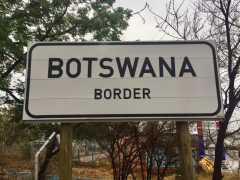
Regional coordination with Lesotho, Mozambique, Zimbabwe, Namibia, eSwatini and Botswana has resulted in extended operating hours at select ports of entry. These adjustments, approved by Home Affairs Minister Dr Leon Schreiber, target high-traffic periods around the Easter weekend.
The execution phase runs from March 31 to April 9, with peak volumes anticipated on April 2 and 6. Potential daily traveller numbers may exceed 25 000 at the busiest ports.
Masiapato said strict immigration controls would be implemented during the holiday period. Border officials will be using new passport stamps featuring advanced security features, which were introduced in August 2025. The stamps include unique identifiers allocated to each immigration officer, playing a critical role in deterring the illegal or unlawful stamping of non-compliant passports.
“The BMA will intensify the detection and proper processing of undocumented travellers, strengthening access control measures at all ports of entry and taking firm action against corruption,” Masiapato said.
“Immigration requirements remain strict; all travellers must present a valid machine-readable passport with at least two blank pages. Visa conditions must be adhered to, and parents travelling with minors must present unabridged birth certificates or authorised affidavits.”
Masiapato said BMA health specialists would screen travellers for infectious and communicable diseases.
He added that the Department of Social Development was deploying social workers for the protection of minors and vulnerable travellers, while the Department of Tourism had contributed over 160 tourism safety officers.
Masiapato said checks of plants, animal and related product imports would also be on the radar.
“The importation of plants and/or animals, including their related products, is highly regulated and requires the requisite sanitary and phytosanitary certifications by the relevant government departments for presentation at the ports of entry.”
He said the authority would continue to use drones and body-worn cameras to curb corruption, supported by anti-corruption awareness sessions with the Special Investigating Unit.