Mozambique is among the countries most exposed to higher food prices and living costs due to disruptions in the Strait of Hormuz triggered by the ongoing US-Israeli conflict with Iran, according to a new UN analysis.
The United Nations Conference on Trade and Development (Unctad) warns that the near-halt in shipping through the strategic waterway is reducing fertiliser availability for vulnerable economies, with ripple effects on agriculture and consumer prices.
In its report, Strait of Hormuz disruptions: Implications for global trade and development, Unctad states that the interruption of transit through the Strait of Hormuz could worsen access to fertilisers for some of the poorest countries.
“The escalation of the conflict affecting the Hormuz region is increasingly reflected in fertiliser markets, linking disruptions in energy and shipping to agricultural markets, future food supply and trade,” Unctad said.
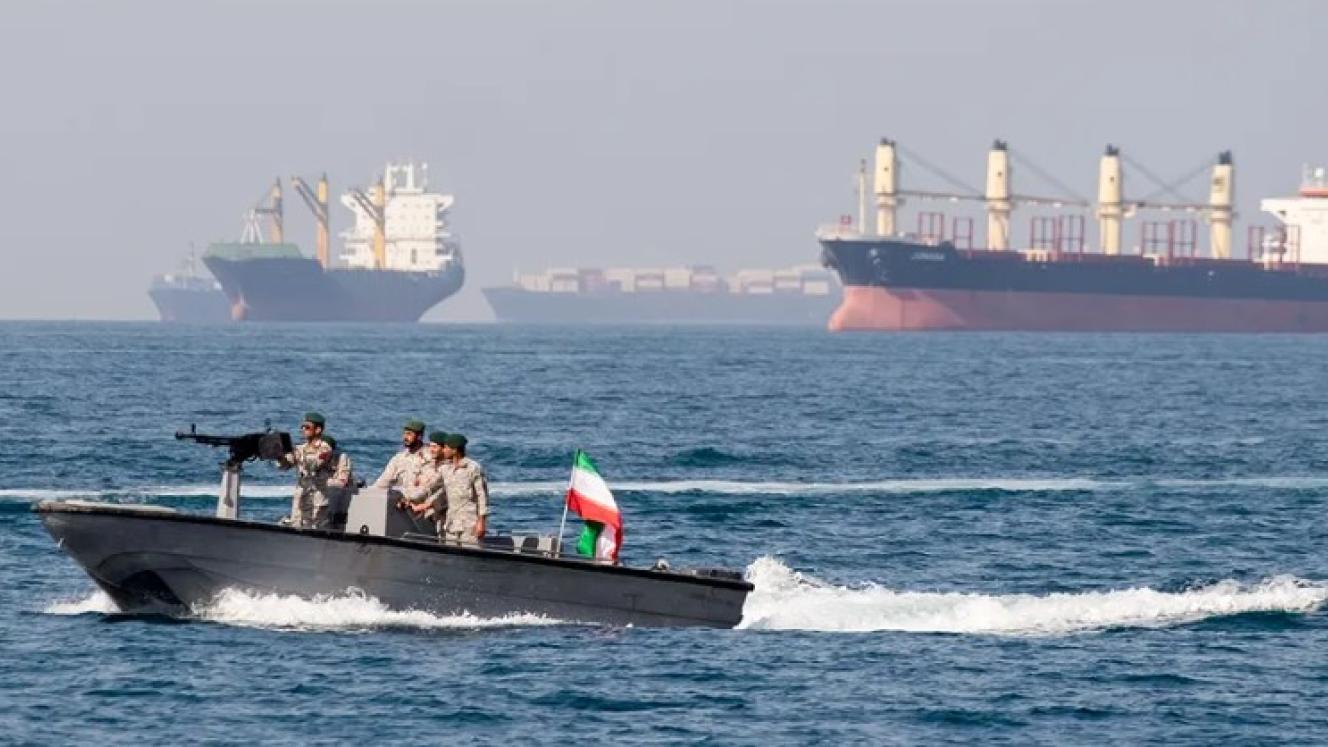
Mozambique imported 22% of its fertilisers through the Strait in 2024, primarily from the Persian Gulf. The route has become critical as Iran has effectively restricted most commercial shipping in response to the conflict that began in late February 2026.
The analysis highlights the concentrated nature of global fertiliser trade. Around one-third of the world’s maritime fertiliser volumes – approximately 16 million tonnes – pass through the Strait. Of this, 67% is urea, 20% diammonium phosphate, 9% monoammonium phosphate, and 4% other types.
“The region’s role goes beyond energy. It is also a major producer of key inputs such as sulphur, used in phosphatic fertilisers, and a central hub for global fertiliser trade,” the report said.
“When oil prices rise, food prices tend to increase accordingly, and when gas prices go up, fertiliser prices often go up. The effects are already visible. Prices for nitrogen-based fertilisers have risen significantly, with smaller but noticeable increases in phosphatic fertilsers.
“Higher energy, fertiliser and transport costs – including freight rates, bunker fuel prices and insurance premiums – may increase food costs and intensify cost-of-living pressures, particularly for the most vulnerable,” Unctad states.
The Strait handles around 20-25% of global seaborne oil trade and significant volumes of liquefied natural gas, amplifying the broader economic impact.
Fertiliser trade is highly concentrated, increasing exposure to such disruptions. Unctad notes many least-developed countries rely on Gulf supplies for staple crop production.
For Mozambique, the implications are direct. Reduced fertiliser access threatens future harvests, potentially driving up domestic food prices and adding pressure on household budgets in an economy already sensitive to import costs.
The organisation cautions that the duration of the disruptions will determine the severity of the impact on global supply chains, agricultural markets and food security.
Source: AIM