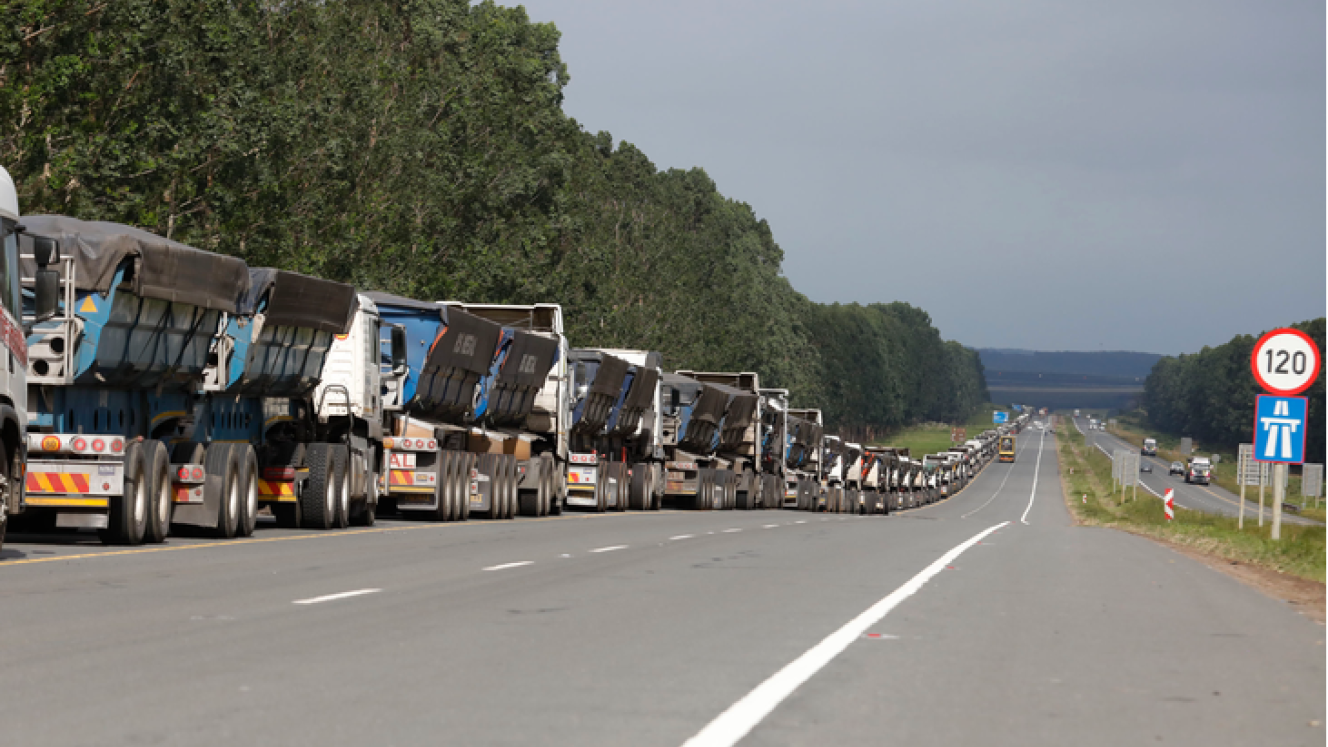
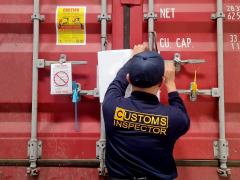
Customs issues continue to plague operations in a developing Africa where cargo is more often than not held up by long, drawn-out procedures. According to Prince Olayiwola Shittu, president of the association of Nigerian licensed customs agents, as long as customs duties remain a cash cow for many governments on the continent the situation will not change. “In Nigeria customs is the second highest income for government after oil. Changing customs regulations and improving trade facilitation means the government is going to make less money – why would they even consider that?” Speaking at the recent Breakbulk Africa conference in Johannesburg, Shittu said in a country such as Nigeria, where only about 10% of cargo handled at the ports was for export, high revenue targets had been set for customs officials who are completely fixated on generating revenue and not facilitating trade. “In many countries in Africa it is a well-known fact that if you are employed as a customs official your days of poverty are over and you have made it.” Chief Nana Addei Duah Brempong, CEO of the International Commerce Centre, said a similar situation was prevalent in Ghana and other west and central African countries. “We all depend on imports and the duties are high. Customs authorities have the right to increase taxes as they wish, wielding their power, and if you want your cargo you have no choice but to pay up and keep quiet,” he said. “Even if you have all the correct documents you will run into problems as rules and regulations are managed as per the interpretation of any given official you are dealing with. Even when governments have brought about changes to facilitate trade, that is not necessarily what is happening on the ground.” Finding solutions to the ongoing customs problems is imperative if Africa wants to grow its project sector, draw more foreign investment and increase intraregional trade, said Barbara Mommen, CEO of the Maputo Corridor Logistics Initiative. “The African Union has adopted a plan to see all of this happen as the key principle for most countries is to see their economies grow, but non tariff barriers are a major stumbling block to achieving these goals.” Mommen said research had shown how the removal of many of these barriers between 2000 and 2008 had seen export activity increase by more than 200% on the continent. “We have to improve border processes. Trucks have to move through in a day rather than a week or in some cases even longer. The same goes for our ports.” She said it would also go a long way in reducing logistics costs. “While infrastructure challenges play a large role in the high logistics costs in Africa, it has been found that delays at border posts and ports are by far the biggest contributing factor,” she said. INSERT & CAPTION Even when governments have brought about changes to facilitate trade, that is not necessarily what is happening on the ground. – Chief Nana Addei Duah Brempong
Corrupt customs obstructs trade growth
Comments | 0
© Now Media. This content is protected by copyright and may not be adapted or republished. If you would like to discuss cooperation opportunities, please contact: editor@freightnews.co.za.