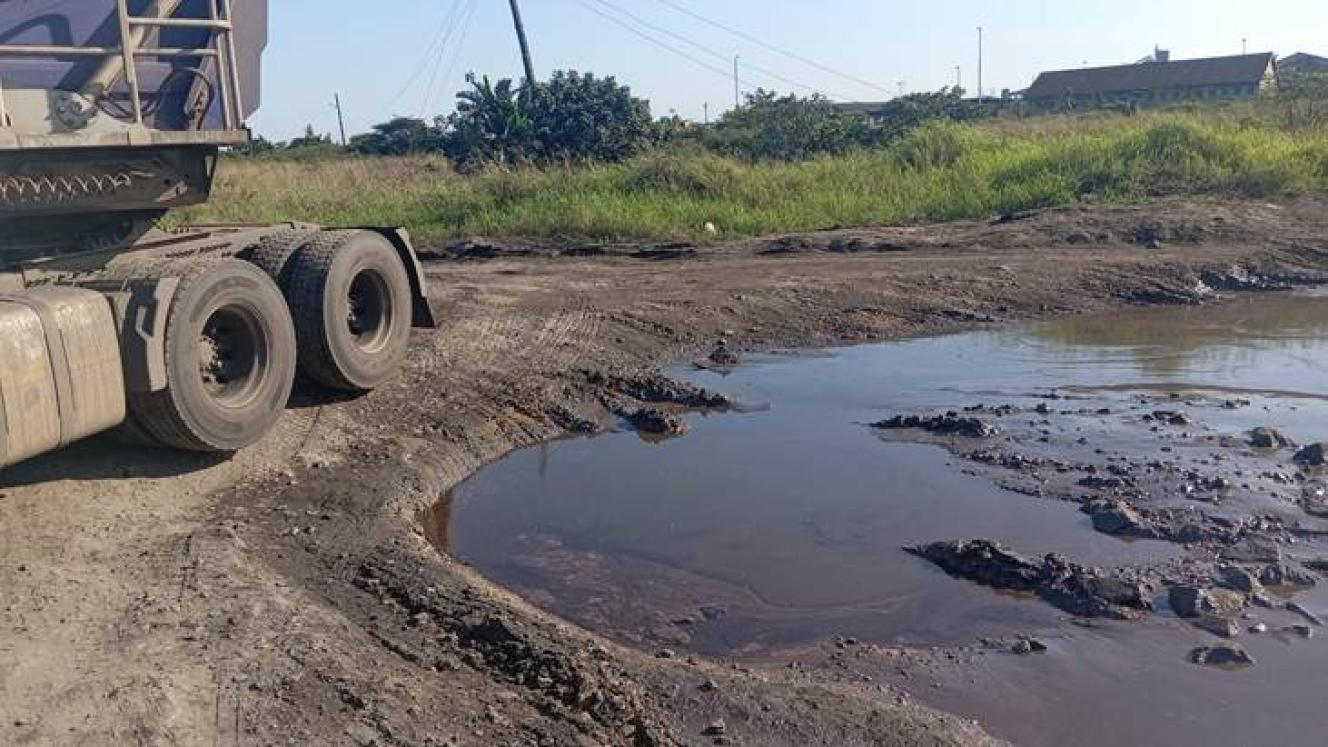
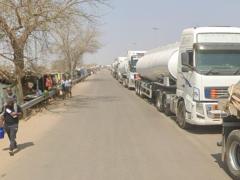
An escalation in tensions between the Frelimo government and Renamo supporters, who are calling for a larger slice of Mozambique’s rapidly growing resource wealth, has raised safety concerns particularly among hauliers. From the SA trucker’s point of view, there are two issues, according to Barney Curtis, executive officer of the Federation of Southern African Road Transport Associations (Fesarta). “The first is problems for truckers on the road from Maputo to Beira north of the Sabi River, which flows from south of Harare to its mouth near Mambone on the Mozambique Channel, about 100 kilometres south of Beira,” he told FTW. “Things got really bad here, but I haven’t got up-to-date information on the current situation.” The second problem area is the Tete Corridor which connects Mozambique with Malawi and Zimbabwe. And this is a route on which logistics has been developing at a rapid rate. Much of the reason is the huge investment in the coal industry in Tete province. This is leading to other investments in the region, particularly in transport and infrastructure, resulting in an economic boom, according to the Economist Intelligence Unit (EIU). Incidents on this busy route have led to stateimplemented convoys. But these have hampered the flow of goods being transported from Mozambique and the movement of goods coming in from neighbouring Zimbabwe and Malawi. Complaints about the convoy system abound, with accusations of outrageous behaviour from the soldiers in charge of the convoys; delays being commonplace, and lasting up to 3 to 4 hours; and the military charging road users for their services. Truckers and other road users have also agreed that reports of military attacks are grossly exaggerated. “I’m curious about why the Mozambique government requires transporters on the Tete Corridor to be escorted,” said Curtis. “I think money is part of it, but surely they wouldn’t introduce the scheme without reason. “However, I have notified the non-tariff barriers (NTB) system about the money side of things.” Non-tariff barriers refer to restrictions that result from prohibitions, conditions, or specific market requirements that make importation or exportation of products difficult and/or costly. The Fesarta complaint reads: “SA-registered trucks are required to be escorted by the Mozambique authorities, from the Cuchamano border post, along the Tete Corridor, to their destinations. They are charged US$100 to the Zobue border post and US$150 to the Calomue border post. “Transporters have confirmed that they would prefer not to be escorted, as it delays their trips. “If the Mozambique authorities insist on escorting the vehicles, then the cost should be covered by Mozambique. Transporters should not have to pay for something that they do not want and it should be included in the Mozambique authorities’ budget.” And, in a progress update note on January 10, Fesarta pointed out that escort fees were illegal. INSERT & CAPTION Incidents on this busy route have led to state-implemented convoys. – BArney Curtis
Convoy cash cow on Moz route?
Comments | 0
© Now Media. This content is protected by copyright and may not be adapted or republished. If you would like to discuss cooperation opportunities, please contact: editor@freightnews.co.za.