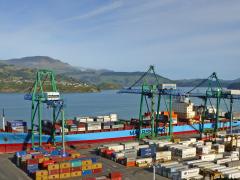
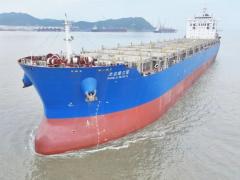
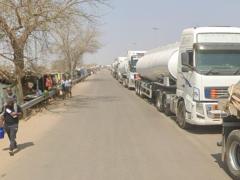
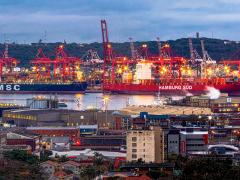
The serious implications of the refurbishment plans for the Port of Durban next year have led the major lines to conduct contingency planning in association with Transnet Port Terminals (TPT). The major problem is the deepening (from 12.8 metres to 16.5m), widening and extension of berths 203-205 next year on the North Pier at Durban container terminal (DCT). Each of these schemes will take 18 months, and will, without doubt, influence congestion at the port. Shipping line executive Clint Carmichael recognised the problem. With the current congestion, some lines have been affected more than others, he told FTW. “Those with the berthing preference arrangement (CTOC) have been less affected,” he said. “But lines diverted to multi-purpose terminals have suffered with poor productivity and longer port stays despite the new mobile gantries. “With the deepening of the berths project starting in 2014, we don’t expect the situation to improve at all. We need to see the port working its assets more productively.” Craig Maulson, Maersk Line Southern Africa cluster operations manager, was also concerned about port delays. “The scheduled delays have been implemented as expected,” he said. “The execution of the refurbishment schedule has, however, been affected by unforeseen circumstances – for example, the well-documented gas leak and weather delays in recent months. “We as Maersk Line are working closely with the port authorities to mitigate any negative impacts for customers as a result of the delays.” The problem of wind delays was also acknowledged by Glenn Delve, marketing director of MSC. But such a problem is only going to be heightened by the refurbishment schemes for next year, he told FTW. “With two berths out, it can only exacerbate such a situation,” he said. And his answer is the same as Maersk’s. “We’ll just have to work daily with TPT on contingency planning,” he said. “And this contingency could include moving vessels from DCT to Maydon Wharf berths or those on the Point.” Not that the current contingencies have had a significant effect. But TPT has not given up trying to find ways round the severe berthing delay experienced, due to shortage of gangs and weatherrelated reasons. Problems which have led to roughly 3-5-day berthing delays. “But,” another shipping executive told FTW, “TPT advises that they are inducing more gangs by next month. Eleven crane drivers are in training, which should assist in improving the situation.” Although not in the windy season, Durban has been wind bound almost every day. This, said our executive, indicates a changing weather pattern, or maybe a temporary shift. “With regard to the weather-related delay,” he added, “Pier 1 operates on rubber-tyred gantries (RTGs) only. And, since the time this equipment was put into operation, the stoppages have doubled or even more. Hence, this terminal is unable to assist Pier 2 in terms of recovery or handling additional vessels.” And this was again acknowledged as a contingency problem which would only be heightened when a large part of Pier 2 goes out of service during next year’s refurbishment schedule. INSERT Contingency planning could include moving vessels from DCT to Maydon Wharf berths or those on the Point.
Contingency plans on course for Durban congestion
Comments | 0
© Now Media. This content is protected by copyright and may not be adapted or republished. If you would like to discuss cooperation opportunities, please contact: editor@freightnews.co.za.