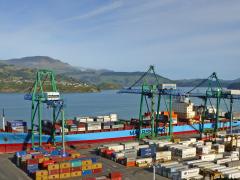
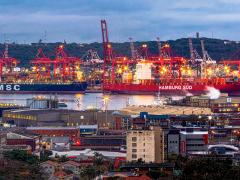
Despite the decision by several South African fruit exporters to charter conventional reefers for export grapes during Cape Town’s windy months, containerisation of fruit is here today. According to Nico Walters, head of strategy at Transnet National Ports Authority (TNPA), the migration of fruit from conventional to containerised transport has been the dominant trend at South African ports for the past 10-15 years. In 2013 89.4% of perishable volumes handled by TNPA were containerised compared with 55% in 2005 and just 28% in 1998,” said Walters. Transnet and perishable exporters have been through some turbulent times in recent years, with the port and rail operator often coming under heavy fire for the lengthy delays and congestion experienced – not to mention the fact that South Africa’s ports are considered to be the most expensive in the world. In Cape Town, where heavy wind delays were experienced, fed-up exporters finally put their foot down and switched some volumes of fruit from containers back to specialised reefer vessels. A move that resulted in an estimated $4-million loss in freight and another R4 million in tariffs for Transnet Port Terminals. While exporters will this year once again charter several conventional reefers, there has been an improvement in the relationship between Transnet and its customers that will ultimately see the containerisation of fruit remaining the status quo. According to Walters, TNPA has taken exporters’ concerns to heart and is continuing to explore a number of ways to improve port performance and supply chain costs. He said attempts were being made to introduce a more regulated pricing strategy to address the imbalances of the past while they had also set up oversight reviews with customers. Walters said in Cape Town a wind strategy was bearing fruit with the terminal remaining operational in winds of up to 90km per hour. CAPTION Coming to the party … the terminal is now operational in winds of up to 90km per hour.
Containers still rule for perishable shippers
Comments | 0
© Now Media. This content is protected by copyright and may not be adapted or republished. If you would like to discuss cooperation opportunities, please contact: editor@freightnews.co.za.