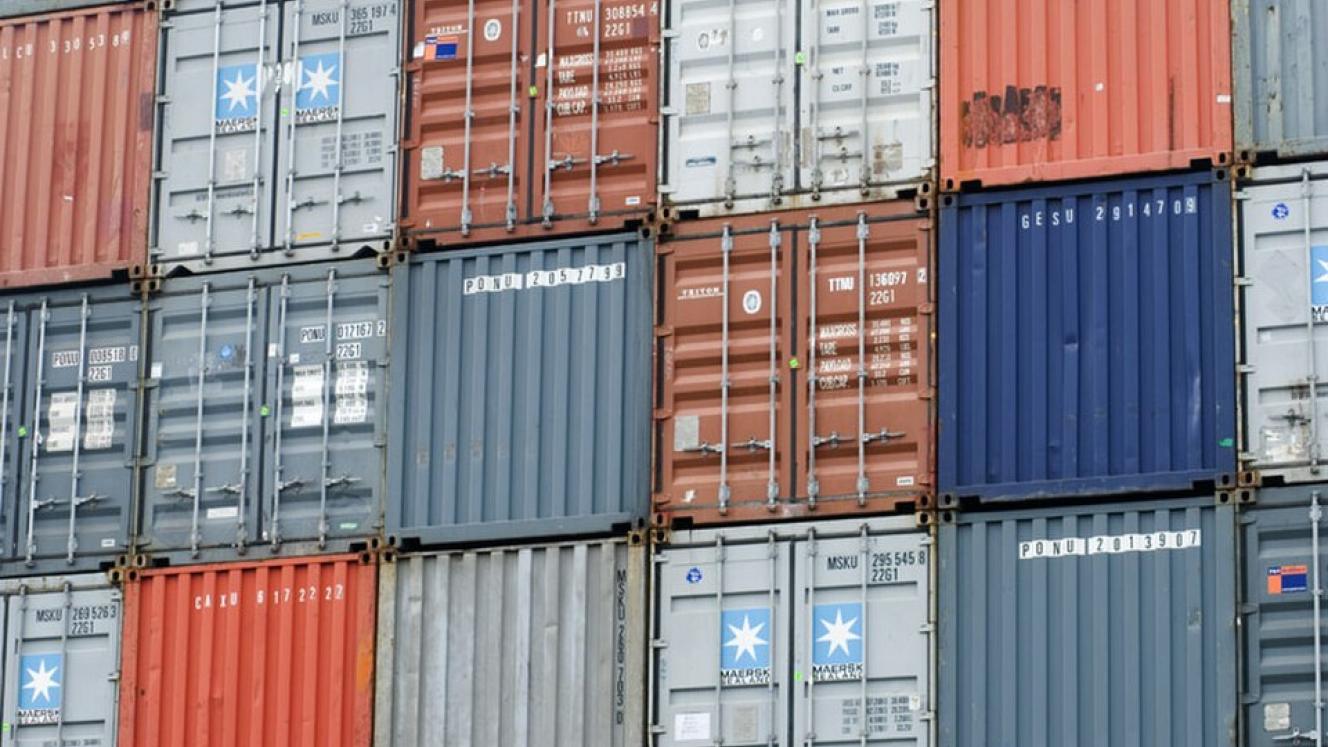
MBABANE – Swaziland’s manufacturing sector, a major user of containerised transport for arriving inputs and exported finished goods, took a hit this year with the country’s loss of US trading privileges under the African Growth and Opportunities Act (Agoa). Transport firms, including Swaziland Railway, saw a drop in volumes as a result of the downsizing textile industry. While government targets other markets such as the EU for Swazi exports, Swaziland Railway has a well-oiled infrastructure for container movement ready to accommodate new business. Key to the system is the Inland Clearance Depot (ICD), the rail company’s dry port that duplicates the services of a sea port within the landlocked country’s Matsapha Industrial Estate. Mobile cranes load and unload containers of 3m, 6m and 12m sizes. Road trailers and trucks bring goods from “port” to customers’ locations. Customs clearing facilities are located on site, and can issue through bills of lading to overseas destinations. Once a container is sealed at Matsapha, the box is sent by rail to be loaded onto ships at Durban or Maputo but without further inspection until the container’s arrival overseas. Temporary storage of containers is available at the ICD, and all containers are tracked with Swaziland Railway’s computerised system. One of Matsapha’s landmarks is the mountain of stacked metal containers of varying colours rising above the rail yard. From movement of 2 500 TEUs annually when the dry port made possible the handling of containerised traffic in 1993, the average has grown to 10 000 TEUs per year. However, annual usage and future growth are tied to the health of the Swaziland economy. INSERT 2 500 The number of TEUs moved annually.
Container volumes reflect unhealthy Swazi economy
Comments | 0
© Now Media. This content is protected by copyright and may not be adapted or republished. If you would like to discuss cooperation opportunities, please contact: editor@freightnews.co.za.