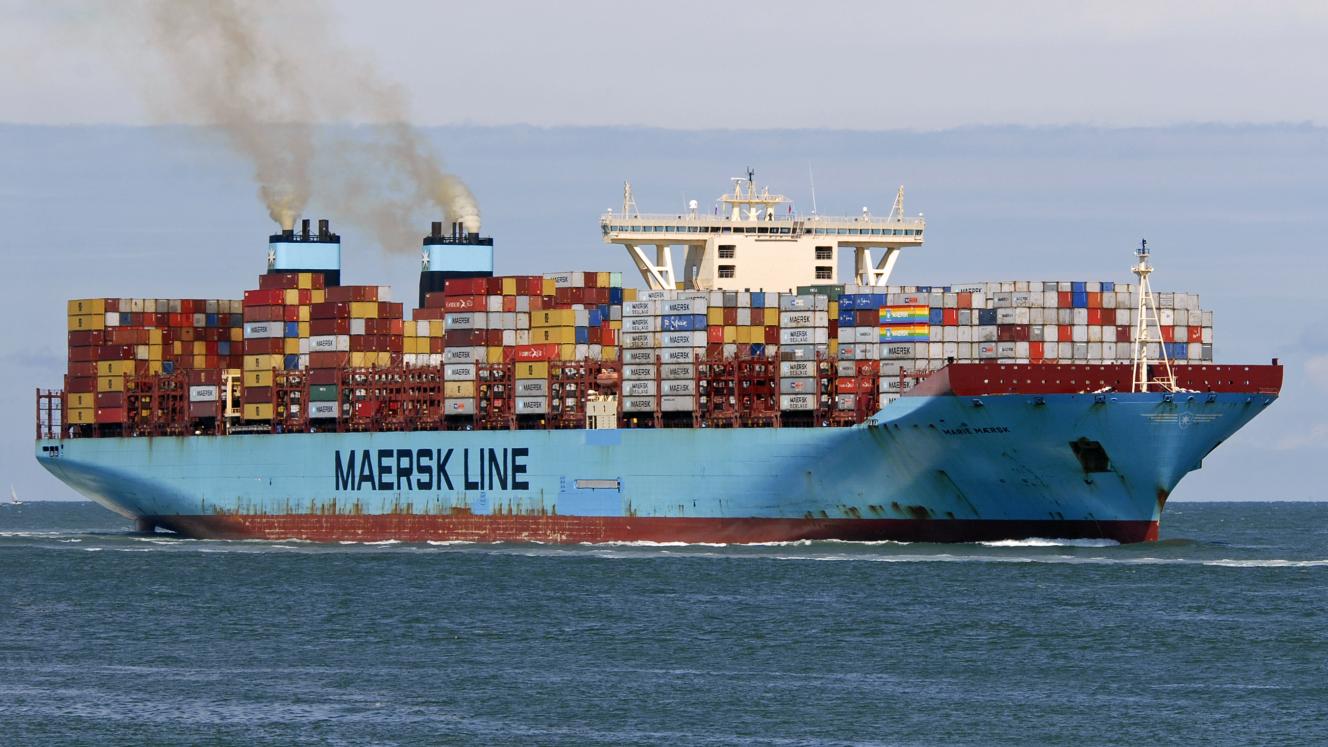
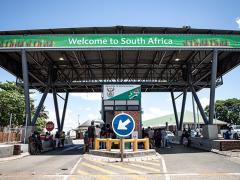
Congestion at the Port of Durban has now reached “horrendous proportions” as the lack of equipment continues to exacerbate the problem.
While shipping lines have told FTW they are weighing their options, shippers are adding their voice to the growing discontent.
Lee Saunders, CEO of Northern Illumination and Décor (NIAD), a Johannesburg company that imports Christmas décor items, said the company would have to order all of its products for Christmas 2018 by no later than February next year to avoid the situation in which it has found itself this year.
“With only two months to go until Christmas our containers have yet to arrive as the vessels have been rerouted from Durban,” he told FTW.
The company imports Christmas decorations from the East for shopping centres and casinos – and according to Saunders it is effectively a month behind schedule thanks to its cargo being severely delayed. “We have been informed by our logistics company that the reason the vessels were rerouted was the congestion,” said Saunders.
“The Durban port has always been bad in the run-up to the December rush but it has never been as bad as this. Sometimes the vessels are delayed and our containers are a week or two late, but now it is a month, five weeks. It’s a very tight schedule to now get the cargo to our customers on time.”
He said staff would have to work overtime – an expense the company would have to carry – to make deadline.
“These delays have had a massive cost impact on our business – not to mention that it will be very difficult to order Christmas stuff in February but we have no choice. We cannot take this risk again next year.”
Terry Gale, chairman of the Exporters’ Club Western Cape, said the situation was getting worse. “It is extremely worrying,” he told FTW. “We are not seeing any improvement.”
Earlier this month shipping line Safmarine sent out a circular to customers saying the Durban terminals were facing heavy congestion. Citing weather as one contributor it said, “intermittent crane breakdowns and subsequent required maintenance was adversely affecting port operations and vessel berthing.”
The line, along with other carriers, has had to implement contingency plans including the adjustment of schedules. Along with Maersk, Safmarine now has a dedicated four-man team in Durban to work with TPT on a port optimisation project.
Shipping lines have also added vessels at their own cost to ensure delivery on a more realistic basis.
According to Sue Moodley, chair of the Durban Harbour Carriers’ Association, the problem is not just the lack of equipment waterside, but also landside.
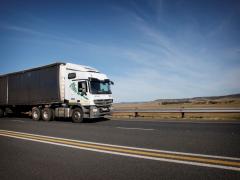
“It has become very bad in the past two weeks. Where trucks were waiting for up to 30 hours outside the port, it has now escalated and the past week we saw trucks standing inside the towers for hours,” she told FTW. “Vehicles have been standing up to 12 hours at a time and those trucks not booked through the system can wait for anything from one to two days before being serviced.”
She said the organisation had scheduled an emergency meeting with TPT to address the situation.
Moodley also cited the lack of equipment as the biggest contributor to the congestion.
FTW spoke to several other port users, all of whom preferred to remain anonymous, who said the matter had been further exacerbated by TPT’s contingency plans that were also reliant on equipment that simply was not available.
“The congestion is because of equipment that has been left to deteriorate, resulting in insufficient capacity to service both the waterside and land side. And while critical measures have been implemented to overcome the problem, you never really get your head out of the sand as vessels continue to arrive daily. Management is another factor,” said one source. “The contingency plan was to divert vessels to other berths but this too was disastrous as equipment to work these vessels was found to be in need of maintenance, while the landside had equipment challenges as well.”
Another source said repeated requests to TPT to address the issue were seemingly falling on deaf ears.
“There is not much the port management can do as it seems everything requires authority from head office,” he said. “Realising the dire situation the terminals find themselves in one would have expected the authorities to have pitched in and thrown all the resources/equipment they could muster into the terminals and diversion berths or called for assistance from experienced terminal operators to get things back on track.”
Last week TPT issued a communiqué to customers saying it had adopted a multipronged turnaround approach to alleviate congestion. This included maintenance of equipment and the beefing up of its management team.
At the time of going to press TPT had not responded to FTW’s request for comment.
INSERT & CAPTION
The situation is getting worse. We are not seeing any improvement. – Terry Gale