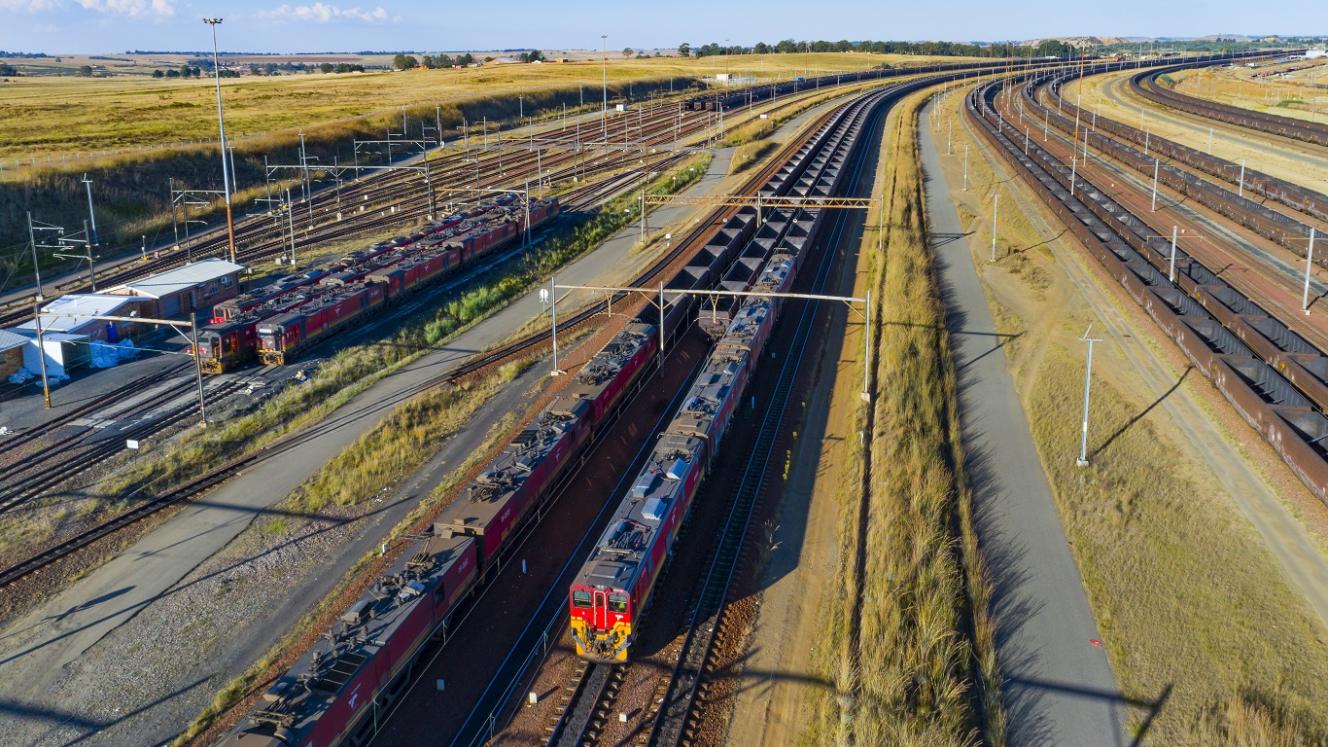
Demand for African metals will continue to grow over the next 25 years – although at a slower rate, predicts the World Bank’s 2009 Global Economic Prospects report. Overall, global demand for metals is expected to continue to grow somewhat more quickly than global GDP – at about 4% through 2015, before slowing to around 2.5% in the period 2015–30, a pace significantly slower than that of projected GDP growth itself, says the report. Demand is expected to be affected by “slowing global growth and a decline in Chinese metals intensity. Over the next quarter of a century, metal intensities in developing countries are likely to stabilise and begin declining once again,” predicts the report. Factors affecting demand from China include less-rapid growth in manufacturing while the gradual completion of investment projects is expected to cause the share of investment in GDP to decline considerably, which should also serve to lower Chinese metal intensities. In addition Chinese industry is expected to become more efficient in order to remain competitive, which will cause a drop in the quantity of metal used per unit of output. “In the rest of the developing world, similar forces should be at work, which, coupled with rising incomes and increased service-sector demand, is expected to reduce the metals intensity of demand,” says the report. The up-side for Africa is that “growth in China and developing countries more generally is expected to continue to outpace growth in the rest of the world throughout the projection period”. Given China’s high metal intensities, developing-country growth should keep global metal intensities from falling, at least initially. However, the beginning of the decline in Chinese metal intensities should be reflected in a significant weakening in the rate of growth of metals demand during the period 2015–30.
Commodities will continue to support African growth
Comments | 0
© Now Media. This content is protected by copyright and may not be adapted or republished. If you would like to discuss cooperation opportunities, please contact: editor@freightnews.co.za.