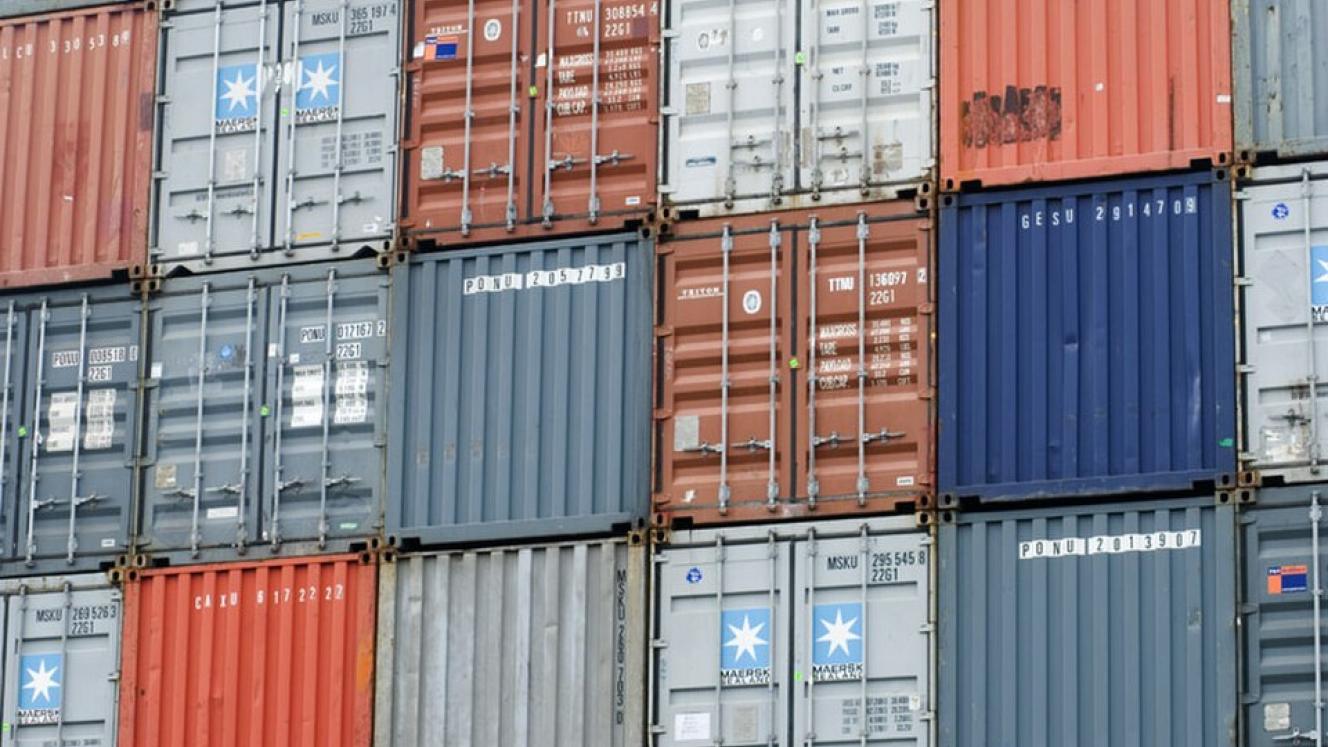
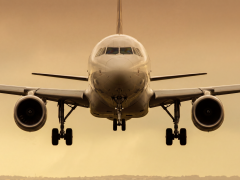
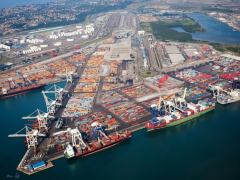
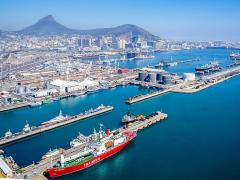
But port and airport problems weigh down positive mood RAY SMUTS WHILE THE central business districts of many a South African city are in a state of deteriorating crime and grime, the centre of Cape Town is thriving as it continues attracting billions of rand in new investment, much of it from abroad. Much of the credit for this heartening state of affairs must accrue to the Cape Town Regional Chamber of Commerce and Industry, which was closely involved in setting up a partnership between the City Council and the private sector at a time when the streets were overrun by informal traders and many businesses were moving out to the southern and northern suburbs. Not only has this partnership restored order but it has attracted R14 billion in new investment to the central business district. Now, instead of ‘fleeing’ to the suburbs, people are actually lining up to return and live in the inner city where many old buildings have been tastefully restored and converted into stylish apartments selling at a pretty penny. One penthouse was on the market for upward of R10 million. This trend has however given rise to another concern, the so-called ‘gentrification’ of areas adjacent to the CBD, such as the Bo-Kaap or Malay quarter, as it is also known. So while other cities are worried about CBD slums, some in the Mother City believe this increasing inner-city affluence will rob it of its rich heritage; some city officials and councillors are even mooting ‘infill’ schemes to create mixed-income residential areas. The first of two major constraints on development has been the harbour where congestion reared its ugly head. But the Port Liaison Forum, in which the Chamber is involved, has managed to convey to stakeholders a clearer understanding of the problems. This has in turn led to better co-operation among all players, smoother handling of cargo and reduced delays. The Chamber’s CEO Albert Schuitmaker however says that the port’s problems are far from solved. “Delays may be reduced but we are not handling more ships and many vessels are now by-passing Cape Town.” The second constraint is Cape Town International Airport where despite huge improvements to the international arrivals terminal, domestic arrivals and departure halls are in desperate need of upgrading. “We seem to forget,” says Schuitmaker, “that most visiting business men and women fly to Johannesburg and then use domestic flights to Cape Town. What they see at this airport will not contribute to positive investment decisions unless they are in the business of building and managing parking garages.” On a more positive note, the city’s fairly new International Convention Centre has, in terms of bookings, exceeded even the most optimistic expectations. Injecting billions of rand into Cape Town. Visiting trade delegations seem to be arriving on a daily basis, eager to do business in the shadow of Table Mountain. They include China, Turkey, Oman, Romania, Vietnam and Sweden. Schuitmaker also points out that most of the big retail chains have sited their head offices in Cape Town and the glow of success from the retail boom has certainly helped create a positive business climate.
City attracts R14bn in new investments
Comments | 0
© Now Media. This content is protected by copyright and may not be adapted or republished. If you would like to discuss cooperation opportunities, please contact: editor@freightnews.co.za.