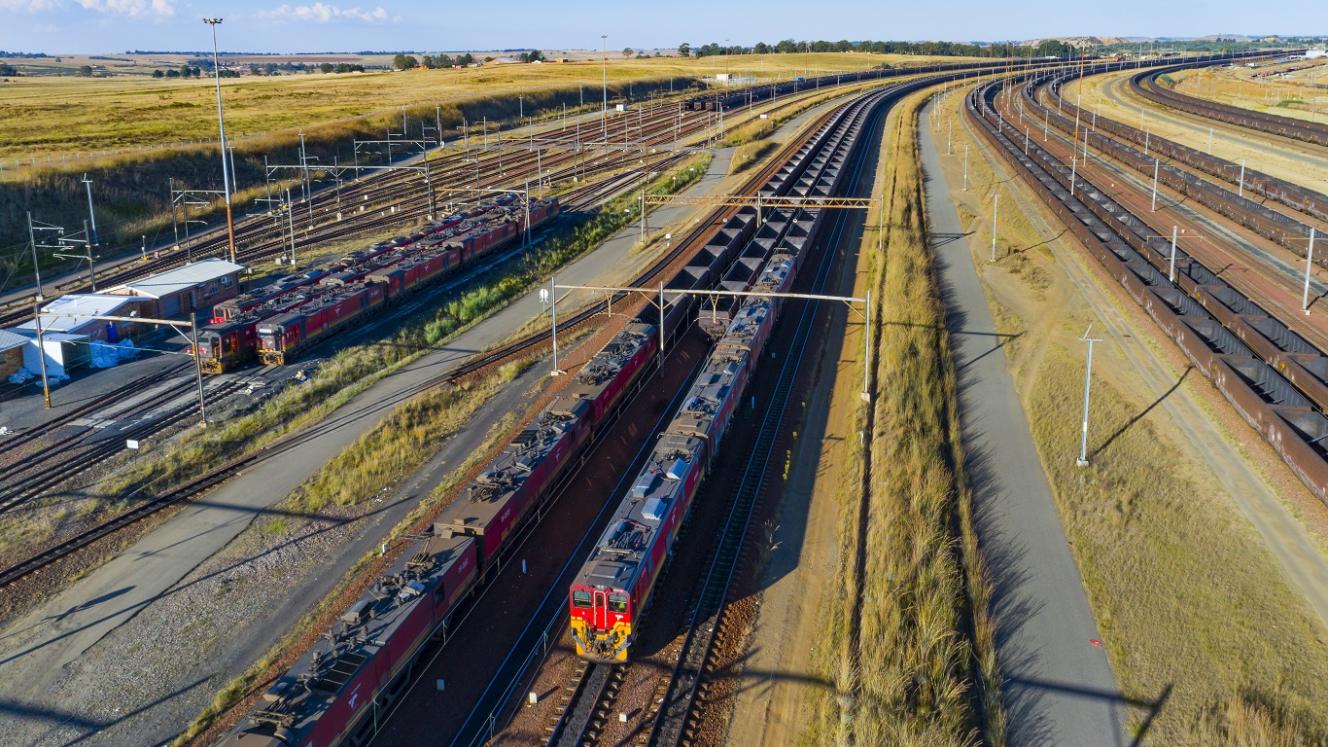
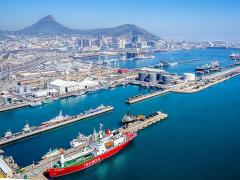
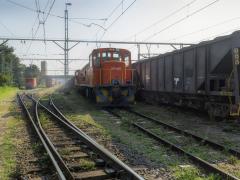
Citrus exporters have called on the Durban Container Terminal to shape up or risk cargo being shipped out on breakbulk vessels. A meeting with DCT scheduled for last Tuesday to discuss solutions to severe congestion at the Port of Durban was cancelled at the last minute, and the Citrus Growers’ Association is awaiting further notification from terminal management. “There’s been a dramatic increase in citrus export volumes in containers this year,” CGA logistics development manager Mitchell Brooke told FTW. “This is adding excessive pressure at cold stores which are not able to reach the required load-out rates. The consequence is that stock is being carried over to the following week’s vessel, which means they’re not able to supply their quotas to customers.” A recent analysis of the stack dates at DCT revealed that in any given week there was high demand in the middle of the week where up to 10 vessel stacks opened simultaneously from Monday to Thursday while stacks were closed on Friday, Saturday and Sunday, according to Brooke. Cold stores are therefore required to load out all the planned containers in a space of three to four days which is not achievable. The CGA is particularly keen to see better stack management of the Saecs and MSC vessels where at least 50-60% is staggered so that the stacks don’t open together, he added. But little progress has been made. “We started engaging with DCT early in the season to ensure a smoother cold chain. But their argument is that they have little flexibility and if they try to make changes this could congest the terminal.” Brooke recently initiated a teleconference with DCT, exporters and FPT to ascertain whether there were initiatives that could be implemented to plan the stack spread evenly in a given week. Following the cancelation of the followup meeting scheduled for last Tuesday to reaffirm the initiatives discussed and to implement a more effective approach to planning reefer stack dates – as well as limiting/eliminating the plug-in shortages – no alternative date has been set. “We haven’t had much joy from them so far,” said Brooke, and the knockon effect on cold stores is significant. “Containers arrive in numbers at the facilities, causing congestion at the entrance areas. As a consequence internal operations are intensified by high levels of container packing, thus prohibiting effective operations to stow fruit into the chambers to make way for inbound railings. “In addition the CBS fourday protocol is being breached by the delay in trucks received thus causing a bottleneck for Department of Forestry and Fisheries (DAFF) inspections at the facilities,” he said. “If we could lessen the container load-out pressure and spread the work load through effective stack planning, this would allow the railing of citrus to be received more efficiently.” As a result of the congestion-related truck delays, transporters are increasingly unwilling to transport citrus into Durban – and those who do are charging premium rates. “This was verified with three individual transporters,” said Brooke. “There is a general outcry from packhouses in the northern territories regarding the lack of transport in the region, resulting in consignments being held on the packhouse floor. Earlier this month some packhouses had as many as 30 consignments waiting to be railed to port.” Brooke concedes that there's no easy fix to resolve the current Durban port issues. “We can however mediate with DCT on the specific issue of the stack date planning which would increase the port’s throughput.” An additional concern related to the level of railings waiting to be dispatched into Durban is the fact that many EU railings may arrive out of the CBS four-day protocol, creating further demand for DAFF re-inspections and therefore creating a further bottleneck. “The sad fact is that if DCT doesn’t come to the party and create a better environment for the export of containers, shippers will revert to conventional breakbulk vessels which has already been happening over the past two weeks. If there’s no flexibility in the port, one most definitely has to re-evaluate the whole issue.” CAPTION Boxed in ... Containerised exports hamstrung by DCT inefficiency. INSERT & CAPTION If we can lessen the container loadout pressure and spread the work load through effective stack planning, this would allow the railing of citrus to be received more efficiently. – Mitchell Brooke
Citrus industry reassesses transport options
Comments | 0
© Now Media. This content is protected by copyright and may not be adapted or republished. If you would like to discuss cooperation opportunities, please contact: editor@freightnews.co.za.