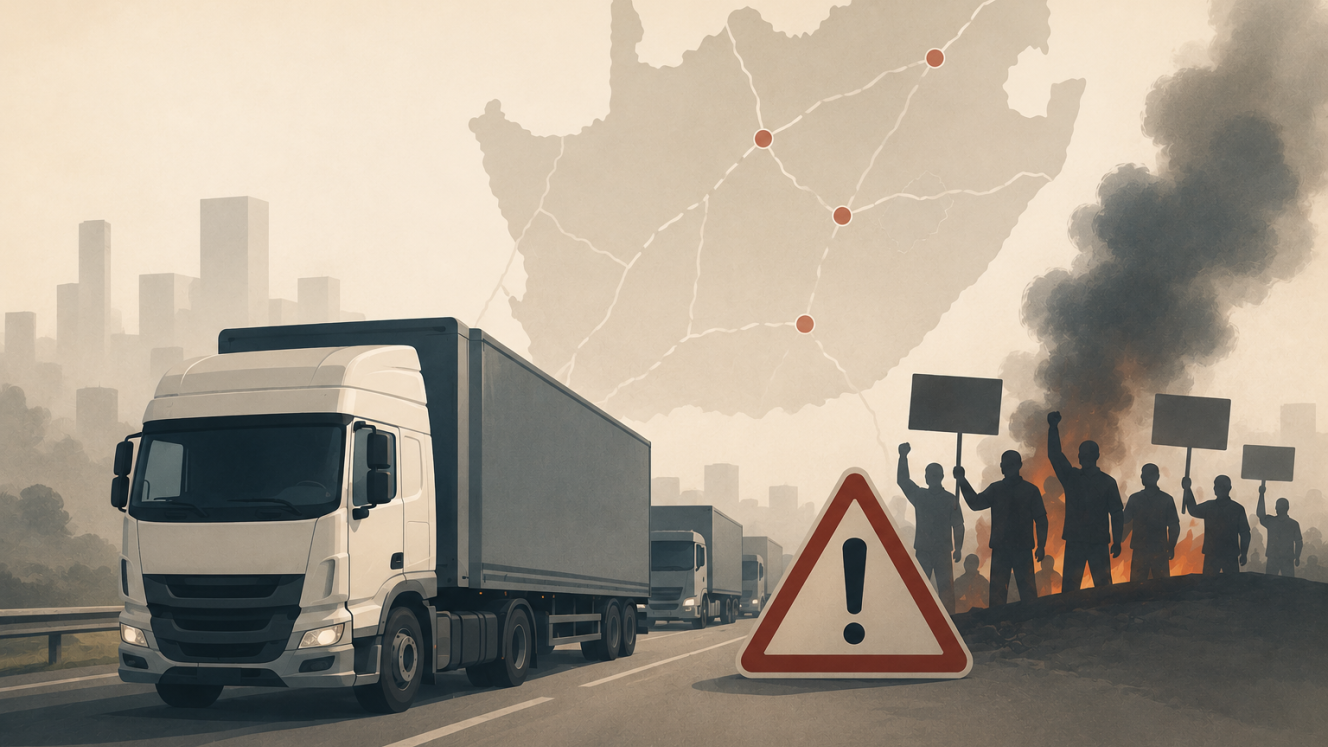
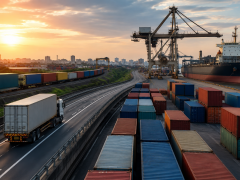
The region’s citrus industry has expressed its relief that the high cube contretemps erupted just after the last of the season’s exports had arrived at Durban port last year. But growers and their transporters are concerned that if a resolution is not reached by the time 2010’s crop starts rolling out, a costly crisis will result. “We have a huge percentage of our fruit going by high cubes. Forty percent and perhaps up to half of our product is shipped in high cubes. Certainly it will have a massive impact if the issue is not resolved,” Justin Chadwick, CEO of the Citrus Growers’ Association (CGA), told FTW. Vehicles transporting high cubes were pulled off the roads in KwaZulu/Natal , a province through which most SA citrus travels en route to Durban’s port. “There are also government plans to limit the weight of vehicles on rural roads. This will add new impetus to our efforts to move more fruit by rail, but there are many places where rail lines don’t reach. If high cubes are banned or weight restrictions reduce vehicle sizes on rural roads then it will mean growers will have to use smaller containers,” Chadwick said. If smaller containers are employed, higher transport costs will result. If such costs are added onto the product price, this will make SA citrus less competitive globally and add to consumer prices domestically. The CGA does not have a representative in talks with government transport officials, but Chadwick said import/ export firms and other players in the fruit industry who share citrus transporters’ concerns were engaged in discussions to resolve the high cube issue.
Citrus exporters spell out the extra costs of high cube ban
Comments | 0
© Now Media. This content is protected by copyright and may not be adapted or republished. If you would like to discuss cooperation opportunities, please contact: editor@freightnews.co.za.