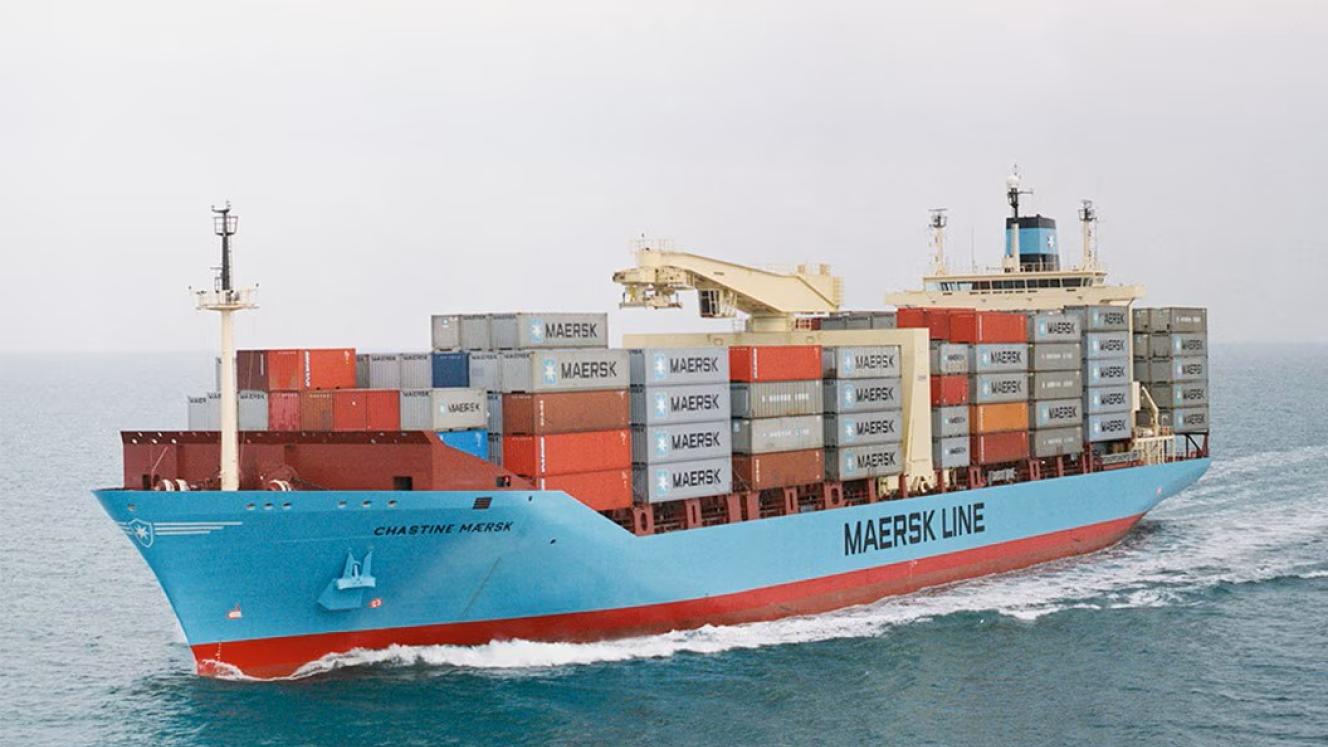
Since we first saw China and SA establishing diplomatic ties in 1998, that was the start of a burgeoning economic and trade relationship, according to Taku Fundira, a researcher for the Trade Law Centre of Southern Africa (tralac). “To date,” he said, “we have witnessed considerable achievements in Sino-SA economic trade cooperation and increases in bilateral trade.” The figures behind this statement show that China became SA’s largest export destination in 2009 – overtaking the US. Trade statistics from the World Trade Atlas (WTA) reveal that total trade between the two countries reached the equivalent of R105-billion in 2009 – accounting for 17% of China-Africa trade. This share, according to Fundira, places SA as China’s second top African trading partner after Angola – a home of oil and mineral resources. “The most recent engagement between the two countries is the comprehensive strategic partnership (CSP) signed by President Jacob Zuma and his counterpart Premier Hu Jintao on August 24,” he said. The CSP is no short memorandum of agreement. The declaration contains 38 bilateral co-operation agreements, ranging from political dialogues, trade, investment, mineral exploration and agriculture agreements to joint efforts in the global arena – such as in the United Nations (UN) and the Forum on China-Africa Co-operation (Focac). “The signing of the CSP can be viewed as a commitment to further strengthen the bilateral relations between the countries,” said Fundira, “and establish a viable longterm relationship which takes into account not only the political but also the commercial interests of both parties.” Although there are political and economic gains in this south-south configuration – this relationship is not without its challenges, Fundira added. This especially with labour movements, he noted, which accuse Chinese competition for job losses. Fundira also pointed out that trade between the two countries mirrored that of SA and its traditional northern partners – where SA exports are mainly primary resource based-products and imports are mainly manufactured, value-added products.” “The prevalence of nontariff barriers that exist especially for agriculture,” he told FTW, “further exacerbates the concerns as these are hampering SA’s penetration of the China market.” But, despite these concerns and given the current forecasts of China’s future economic size and political weight, Fundira insisted that “the logic of improving relations seems irrefutable”. It’s a two-way trade between benefits and disadvantages, he added – but tends to come out on the winning side. Tralac’s recent publication – ‘South Africa’s Way Ahead – Looking East’ – noted that expected losses (employment, wages, and production) in certain sectors would be offset by the opportunities created in other sectors with a competitive potential. “Thus, in the long run,” said Fundira, “it will allow SA to develop and expand trade in its competitive sectors. Affected sectors such as clothing and textiles need to be realigned and adopt new technologies – while opportunities exist in the chemicals, plastics and nonferrous metals sectors.” But Fundira does not suggest that the inevitable growth in China should be seen as an attack on SA – and it shouldn’t encourage this country to adopt a purely defensive posture. “While SA dines in the dragon’s lair, there should be a common understanding amongst SA stakeholders of China role’s in the global economy,” he said. “The SA government needs to inform its stakeholders that China’s rise is inevitable and we should not avoid engaging China effectively on the trade front. “Concentrating only on defensive positions, on how to limit China’s impact, is counter-productive, and will ensure that the Sino-SA relationship remains skewed in ways that suit the Chinese economy far more than that 00515 FTW quarter page 2/3/10 6:24 PM Page 2 of SA.”
China and SA - a match made in heaven?
Comments | 0
© Now Media. This content is protected by copyright and may not be adapted or republished. If you would like to discuss cooperation opportunities, please contact: editor@freightnews.co.za.