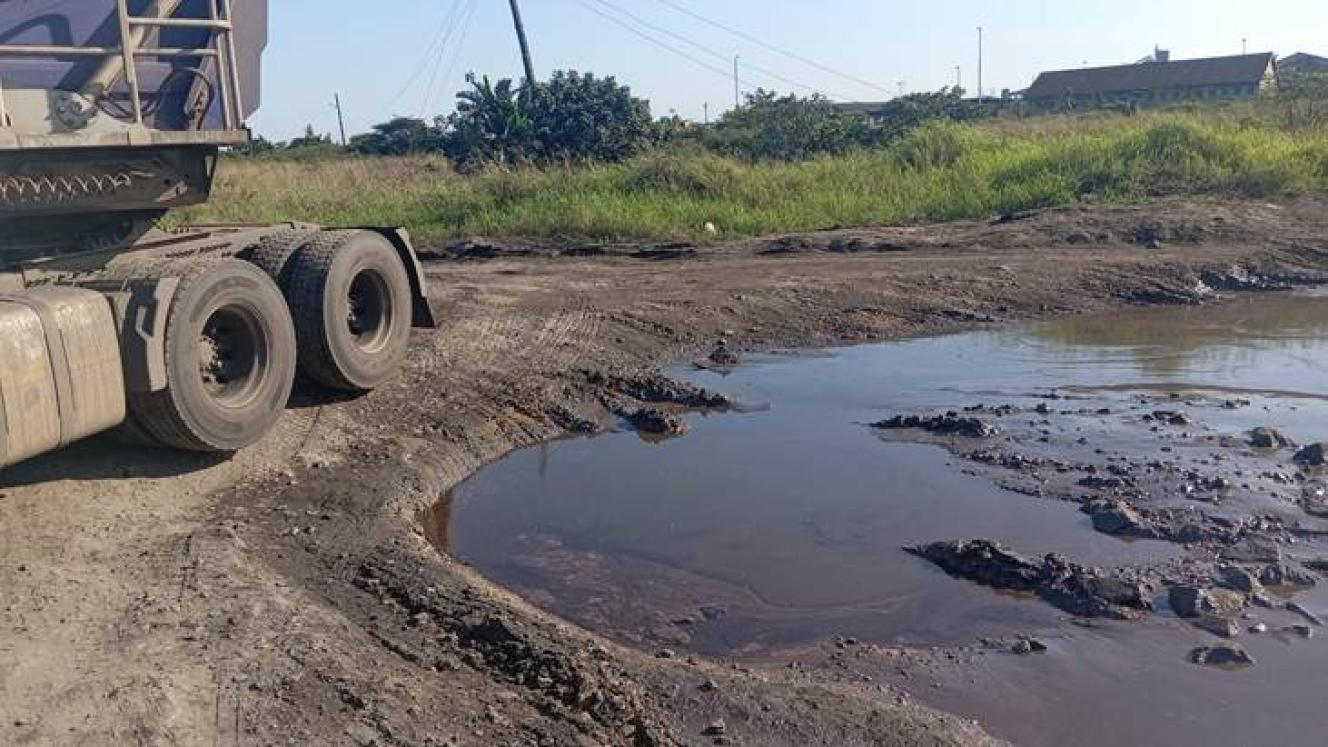
Roughly 10% of South African transporters; handling and storage facilities are fully compliant with the South African National Road Traffic Act’s dangerous goods regulations. The other 90% are potentially a ticking time bomb with an accident waiting to happen. This is according to the directors of Hazcom DGR, a company established last year to bridge the gaps in the market by offering training and “one-stop-shop services” for comprehensive legal compliance in respect of fleets, drivers, goods handling methods and storage configurations. “Non-compliance is a result of three main factors – a perceived high cost attached to training; an unwillingness to give staff the time off for proper training; and a lack of proper knowledge,” said Brendan Adams, Hazcom director of training and compliance. Company MD, Johan Muller, added: “The transport industry is currently flooded with so-called accredited providers of training and vehicle compliance services, but the majority of these often fall short of the mark due to insufficient experience and knowledge.” He pointed out to FTW that recent truck accidents – including the accident involving 54 vehicles on Johannesburg’s N12 highway last month – could have been that much worse if the truck that caused the incident was transporting dangerous goods. “If something as seemingly insignificant as the wrong placarding had been on the truck, the emergency response teams would not have known how to manage the situation properly and potentially more lives could have been lost. In addition, the insurance company could have repudiated any potential claim,” noted Muller. Adams added that a big company could possibly absorb the cost of writing off a vehicle or goods worth millions – not to mention a loss of reputation and other costs incurred by an accident – but this could potentially “kill” a small operator’s business. “The average freight truck is worth around R2 million and the average value of goods amounts to approximately R1.5 to R2 million. If you weigh this up against the annual fee of around R750 to train a driver in the correct procedures and regulations around dangerous goods, it is small change,” he noted. Muller said that other consequences of a noncompliant vehicle range from steep fines to having both the vehicle and goods impounded. The company directors, Muller, Adams and sales director Sharon Long, have a collective 65 years of experience in the logistics, dangerous goods handling and traffic law enforcement industries. “We provide training from the point of loading to the point of off-loading, which helps our clients significantly decrease their risk. CAPTION This truck, photographed on the N1, is in blatant contravention of several dangerous goods transport regulations, including the fact that the placarding identifying the hazard of the cargo is both upside down and defaced.
'Check the credentials of training providers'
Comments | 0
© Now Media. This content is protected by copyright and may not be adapted or republished. If you would like to discuss cooperation opportunities, please contact: editor@freightnews.co.za.