Government is engaging with local wheat producers to look into ways of addressing challenges that have arisen from a 300 000-tonne duty-free wheat import quota from the European Union (EU) which forms part of the EU/Southern African Development Community (SADC) Economic Partnership Agreement.
Grain SA CEO Jannie de Villiers explained that the issues had arisen because the quota had been granted on a “first come, first served” basis.
“One or two large companies saw the opportunity, got in quickly and got the full benefit of a roughly R300-R400 million deal.”
He believes this has put local producers under pressure to provide better pricing in order to compete. He said this could not have come at a worse time for producers who were still battling long-term effects of the drought, pressure on global pricing and the lack of adequate local protection measures.
Agricultural economist for AgBiz, Wandile Shlobo, was hopeful that government – via the South Africa Revenue Service and the Department of Trade and Industry – would work with industry to find a more equitable solution going forward.
The EPA was signed in June last year when the duty-free quota was agreed upon. At the time economists and industry bodies were unconcerned about the impact of the import quota, with Wessel Lemmer, a senior agricultural economist at Absa, saying: “The 300 000 tonnes of imports coming from the EU represent a very small percentage of the overall imports. South Africa is a net importer of wheat and requires more than the number that will be coming from the EU.”
Tinashe Kabuya, head of international trade and investment intelligence at Agbiz, also said the EPA agreement would have a minimal impact.
However, some of the pressures on producers had not been fully evident at the time, said Sihlobo, adding that it was the “first come, first served” clause that had put pressure on local producers.
There is also a worldwide production surplus of wheat – with total global production projected to be about 740 million tonnes – which has depressed pricing of the commodity.
CAPTION
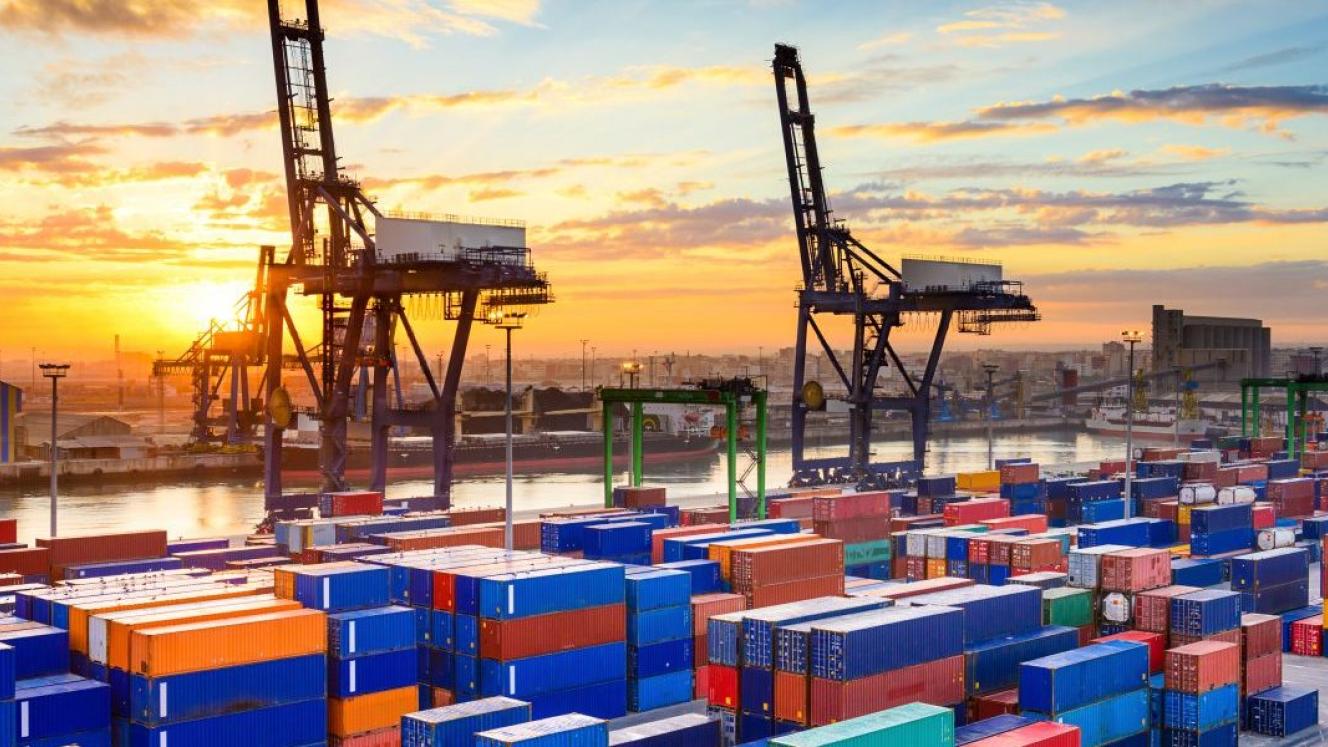
A 300 000-tonne duty-free wheat import quota forms part of the EU/Southern African Development Community Economic Partnership Agreement.