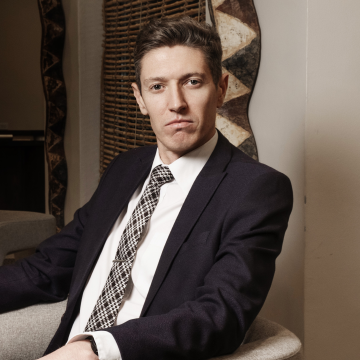
JOHANNESBURG-BASED Falcongate Logistics has expanded the scope of its consolidation division – previously limited to designated clients – to embrace a diversified customer base. “We’ve been consolidating loads since 2003 for our designated clients,” MD John Wheadon told FTW. “But since April this year we’ve branched out and picked up some lucrative contracts.” Falcongate specialises in the movement of cargo between Johannesburg and Malawi, providing three consol trucks a week on the route with a transit time of five days. As a seasoned African operator, Wheadon is well aware of the challenges of operating in the region – and these are as volatile as the region itself. A recent headache has been delays caused by incorrect tariff heading entries. According to Wheadon SA Revenue Service has tightened the screws on export tariff classifications, imposing fines of up to R20 000 per wrong entry. In some instances tariff headings that have been used for over three years and accepted are now rejected as incorrect. It appears the tariff system is open to different interpretations depending on the officer on duty for that particular shift. Not only does it delay cargo for the customer, it also holds up the truck which is costly for the operator. “We’ve urged all our export customers to ensure that all tariff headings are correctly classified and have encouraged them to lobby trade and industry about the problems they are having with Sars. It’s not healthy for economic growth,” said Wheadon. Recent export regulations in Malawi have also created problems for transporters in terms of cargo flow. The country has banned the export of agricultural exports like maize, soya beans and wheat bran, while a licence is now required for the export of cotton seed. Encouraging beneficiation within the country appears to be the motivation – why export the crops when the country has local crushers of cotton seed and soya can be used domestically. What this means for transporters is that a lot of product that normally comes to SA markets is no longer coming down, says Wheadon. “A year ago there was too much coming out and not enough going in, but we’re fortunate at the moment to have a steady two-way trade,” said Wheadon, who is delighted with business growth. “We’ve had a very good response and are very busy at the moment – if consolidations pick up we could dedicate six or seven vehicles to the route.”
Challenges aside, Malawi specialist records pleasing growth
Comments | 0
© Now Media. This content is protected by copyright and may not be adapted or republished. If you would like to discuss cooperation opportunities, please contact: editor@freightnews.co.za.