The European Union (EU)
has made several concessions
with regard to citrus black
spot (CBS) over the past year
to clear the market for SA
imports.
“The phytosanitary
measures are by no means an
artificial trade barrier,” head
of the EU delegation to South
Africa, Marcus Carnaro,
told FTW on the sidelines
of an EU-SA strategic
partnership conference held
in Johannesburg recently.
“There certainly were
some issues in the 2013/2014
and 2014/2015 season but
we’ve been working well
with the Department of
Trade and Industry (dti), the
Department of Agriculture,
Forestry and Fisheries (Daff)
as well as citrus producer
representative bodies such
as the Citrus Growers’
Association (CGA),” he said.
Concessions from the EU’s
side, according to Carnaro,
include the scrapping of the
“five interceptions ruling”
which called for the total
banning of citrus imports
from South Africa.
“This is because we’ve
seen a lot of commitment
from South African
producers to ensure they
meet the phytosanitary
requirements – and to date
the fruit we’ve received over
the past season has been
healthy,” he commented.
Carnaro added that he
was pleased to see the agroprocessing
incentives from
the dti this year as part of
the new iteration of the
Industrial Policy Action Plan
(Ipap). “The new Economic
Partnership Agreement
(EPA) with South Africa –
signed with other Southern
African Development
Community (SADC)
countries as well – offers
great beneficial opportunities
for canned fruit for example,”
he said.
Carnaro pointed out that
in the citrus sector alone it
was estimated that some
100 000 workers operated
during the season. “As the EU
attracts some 40% of overall
production (ie, 600 000
tonnes), it is easy to estimate
the impact of those exports
on job creation,” he said,
adding that this could be
increased even further with
agro-processed goods.
According to Deon
Joubert, the CGA European
Union envoy, the local citrus
industry is spending
R1 billion a year to keep
CBS under control. “Farmers
have spent that amount
each year over the past three
years to pay for additional
spraying, inspections,
sanitation, sampling and
testing,” he said.
CEO of the CGA, Justin
Chadwick, added that
southern African citrus
exporters would not be
negatively affected by
Britain’s decision to exit the
European Union. It could in
fact have a positive impact,
according to him.
“An independent United
Kingdom is likely to
introduce its own plant
health regulations – or at
least remove or rescind those
regulations that have no
impact on the UK – making
it easier to comply with than
current (EU) regulations
and significantly boost
exports for the southern
African citrus industry,”
said Chadwick.
Southern Africa supplies
a large chunk of the UK’s
citrus needs – including
36% of grapefruit, 27%
of its oranges, 19% of soft
citrus, and 11% of lemons –
with the UK taking about
10% of the region’s total
citrus exports, he said.
CAPTION
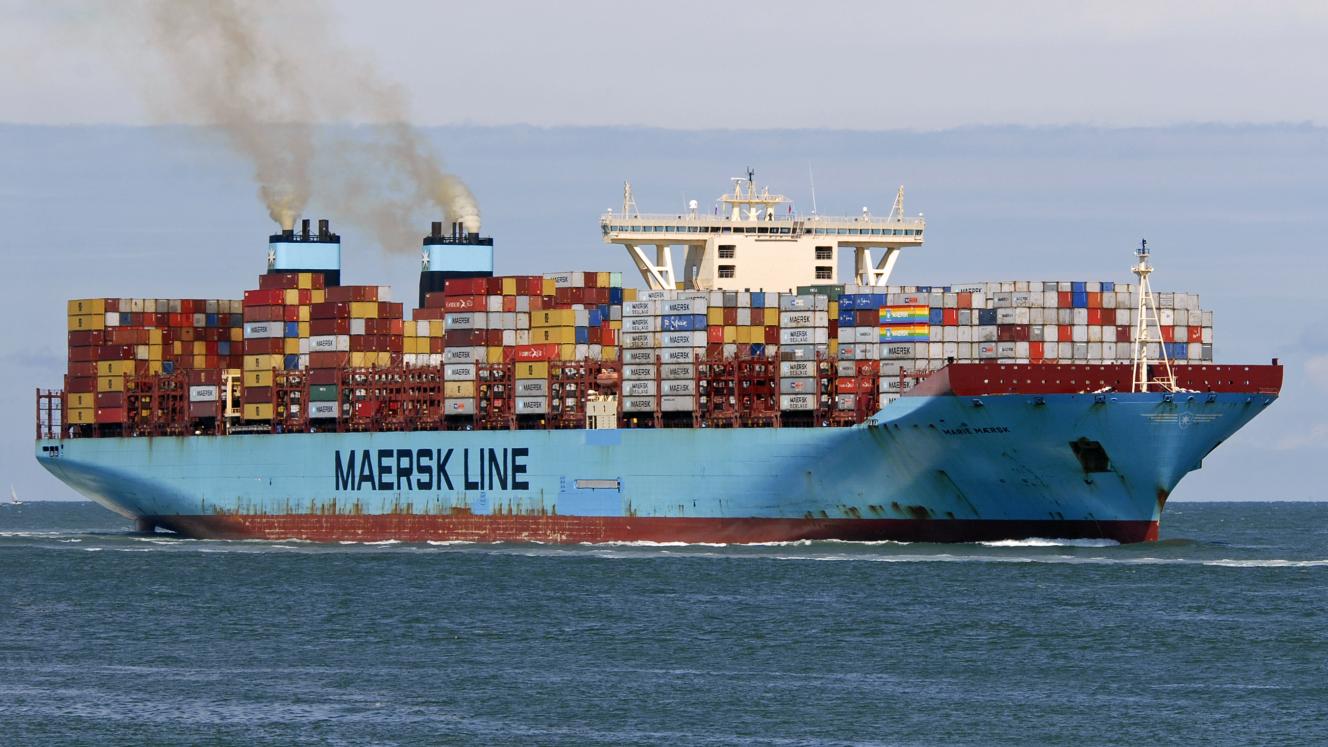
The European Union imports about 40% of overall citrus production in South Africa.