South African
importers and
exporters of bulk
cargo are falling
prey to fraud and also
landing cargo that has been
damaged in cases where
consignees and agents have
been misled or corners have
been cut to save costs.
Shepstone & Wylie
Attorneys head of
international transport,
trade and energy, Quintus
van der Merwe, said in
recent cases importers had
suffered huge financial
loss following fraud
surrounding bulk cargo.
“People say they are
shipping a specific material
and a letter of credit is
issued, however it won’t
be shipped unless there
is a form of payment. The
problem arises when the
bank makes payment,
which it is contractually
bound to do when it
receives prima facie
legitimate conforming
documents such as a
commercial invoice,
certificate of quantity
and quality, insurance
certificate or the bill of
lading. The bank makes
payment
but one or
more of the
conforming
documents is
fake, or the
documents
are correct,
but a
different
cargo is
subsequently
loaded onto
the ship,” Van
der Merwe
explained.
“In one instance the
importer received a
shipment of rocks and
in another they received
sand. In the latter instance
it was supposed to be
raw materials for urgent
manufacture of goods for
export, causing downtime
in the plant
and massive
cost to
dispose of the
sand,” Van
der Merwe
said.
“Possible
solutions to
this problem
are firstly
that the SGS/
Intertek
inspectors
inspect the
cargo on behalf of the
consignee and inspect
cargo already loaded. In
cases where the bank has
yet to effect payment, they
can go to court to obtain
an urgent interdict to
prevent the bank from
making payment,” he said.
Apart from the financial
loss incurred due to
non-delivery, Van der
Merwe said in such cases
importers were faced
with the double burden
of demurrage costs and
having to pay to have
the landed “cargo”
tested to make
sure it was not
radioactive before
applying for a
permit to dump
it.
Van der Merwe
said it was also
vital to have
provision for
tolerances in
volume and mass
and to ensure
that the correct expert was
hired to test the cargo –
be it coal, iron ore, liquid
cargo or food
– not only
to guard
against
fraud but
to verify
quality
and
that the correct quantity had been
loaded.
This was to ensure the correct
volume or mass had been declared
and to provide for a change in the
density and viscosity of cargo due
to temperature conditions and
the fact that some of the materials
– such as sticky liquids – could
inadvertently remain behind in a
tank or be blown away in the wind
during loading and off loading as
in the case of cargo like grains.
“Also, the authorities can come
down on you if they believe there
has been a misdeclaration. If you
are shipping cargo from a place
where you don’t have anyone
present, it’s important to pay and
appoint someone – and they have
to be 100% independent – who is
going to make sure that what is
loaded on the ship is the correct
quality and quantity,” he said.
Van der Merwe added that local
businesses that had cut corners
and refused to hire someone to
do a pre-inspection survey had
suffered financial loss.
A pre-shipment survey would
also protect the consignee if cargo
was damaged in transit, shifting
liability to the carrier. He said
consignees should not let shipping
lines, in a hurry to set sail, block
them from taking the time to do a
survey.
He added that it was important
for importers to understand their
liabilities and responsibilities
under the Incoterms (International
Commercial Terms) relating to
international commercial law as
published by the International
Chamber of Commerce (ICC). A
party that had not arranged the
carriage could find themselves
liable for demurrage if a vessel was
delayed at the port of arrival, he
said.
INSERT & CAPTION
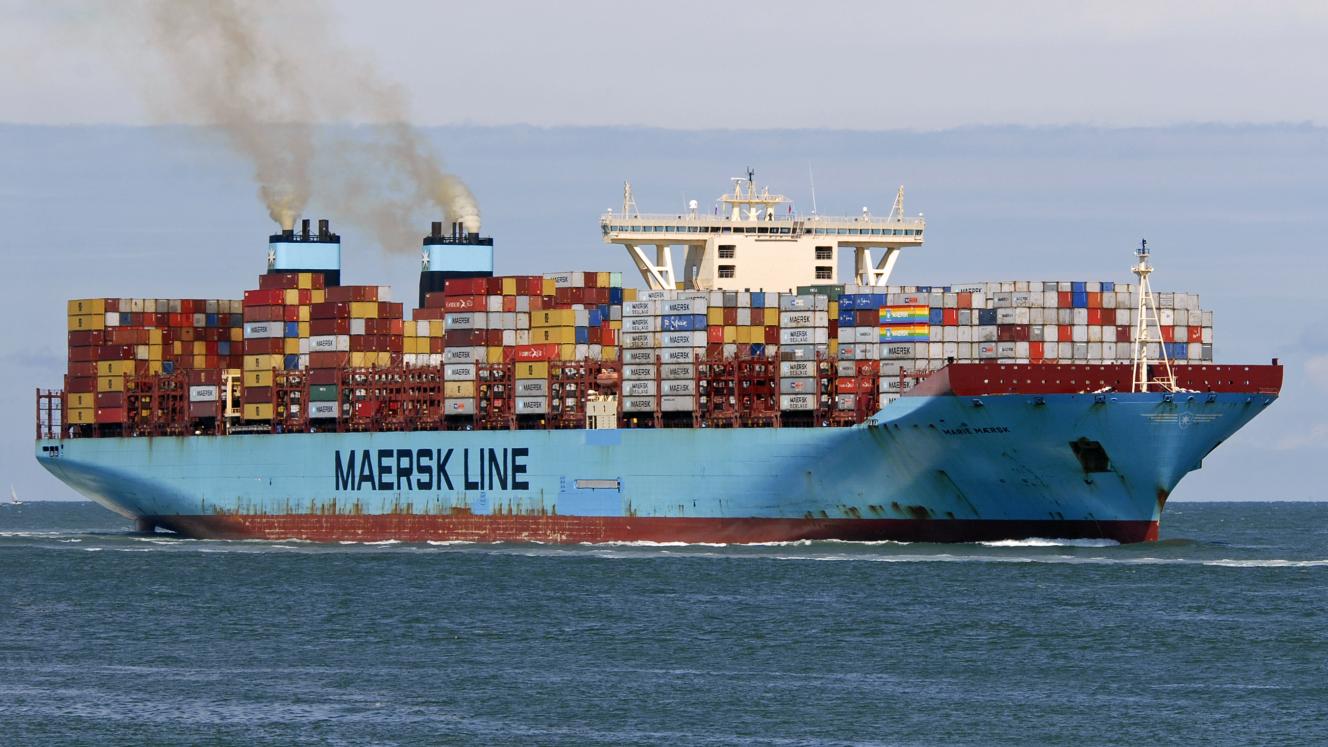
Importers have
suffered huge financial
loss following fraud
surrounding bulk
cargo.
– Quintus van der Merwe
Cargo inspection vital to avoid misdeclared cargo
Comments | 0
© Now Media. This content is protected by copyright and may not be adapted or republished. If you would like to discuss cooperation opportunities, please contact: editor@freightnews.co.za.