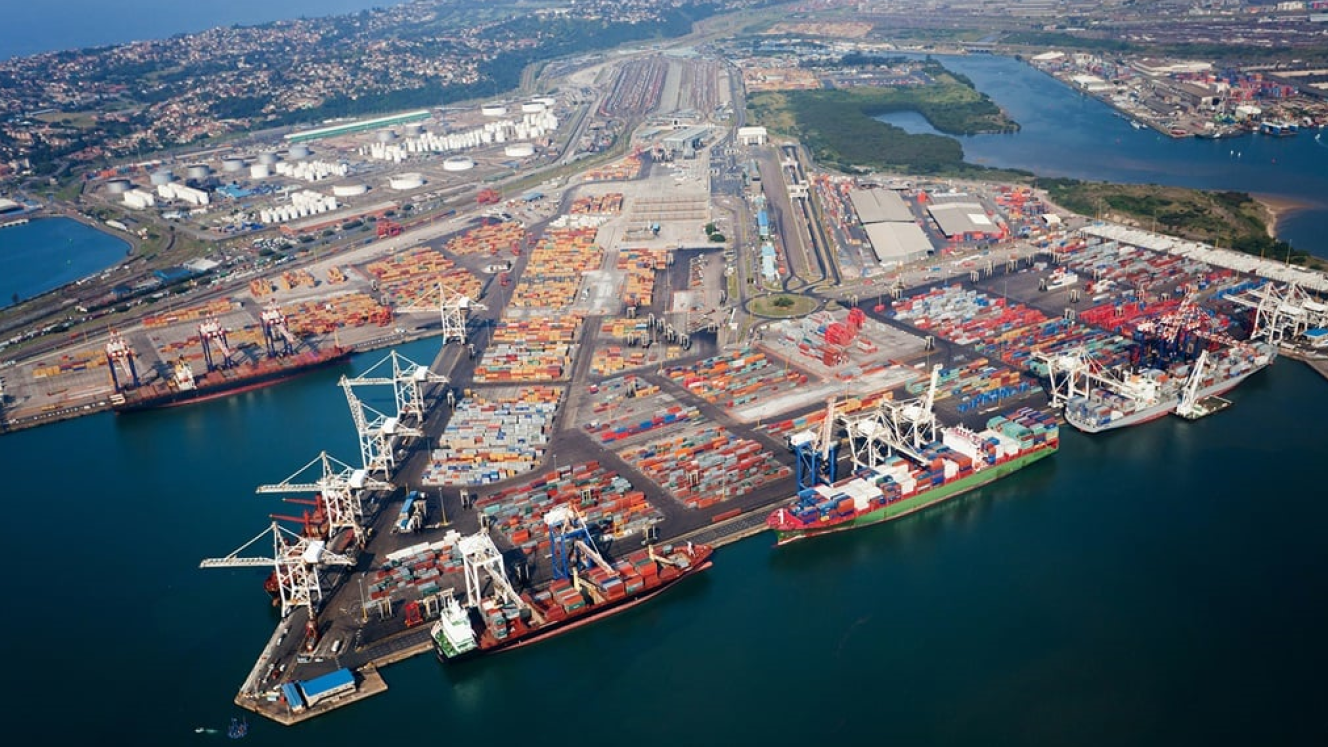
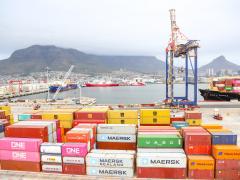
The Transnet maxim that the country’s seven commercial ports should not compete but rather be complementary to each other is unwittingly becoming a thorn in the heel of the Port of Cape Town. In January last year NPA Mother City port manager Sanjay Govan conceded shipping lines were becoming increasingly concerned at the high cost of wind-related holdups and he believes it’s possible the lines may divert cargo to other ports in future if some relief cannot be found. Those words had a clairvoyant ring to them because his fears are being realised. This year’s winds are some of the worst yet experienced and have resulted in more ships by-passing Cape Town to discharge city-destined cargo in other ports. “The wind is starting to affect us big time and I am seriously concerned about Cape Town, given our data reflects wind increasing year by year and blowing for longer periods,” he said. “It used to blow at between 80km/h and 120km/h, now it is blowing between 120km/h and 140km/h, with gusts up to 160km/h, so this is a new phenomenon.” Referring to vessel bypasses, he says: “It’s happening, MSC diverting to Coega, for instance. They have taken it so far and I expect it won’t be long before the other shipping lines follow suit as cutting and running is far too costly.” Another setback is that transhipments once effected in Cape Town have moved mostly to the Port of Ngqura. The NPA has yet to confirm the total number of wind hours thus far but Cape Town research manager, Zurayda Christians, says December 2010 was the worst month on record, followed by May 2010, January 2011, and March 2010. It is a given that September to March are the worst for wind, earlier calculations suggesting container terminal wind delays of 45 and 145 hours a month over this six-month period. To its credit, Transnet Port Terminals has taken proactive measures in preparation for the Big Blow, including a complex mix of flexible shift patterns and a review of container stacking capacity, including assessing available equipment with the emphasis on retaining flexible machinery. Another vital element to the plan is engaging with customers to better plan vessels, particularly the manner in which they are loaded, and encourage higher productivity. Despite criticism about whether TPT’s new fleet of 29 RTGs is up to coping with Cape Town’s wind conditions, most will admit there is little more it can do to improve matters. Govan says the wind dilemma has reminded him of the CSIR commission to conduct a wind study of Cape Town Container Terminal, which focused on the possibility of a ‘wind wall’. A giant structural frame with ‘shelving’, it is loaded with containers which act as a break against wind. The concept has been implemented at several overseas ports. Transnet terminated the study, apparently because of doubt whether costs could be justified. “I was thinking about the wind wall while the wind was blowing and maybe there could be a benefit in going back to that kind of thinking.” As if the recent floods in the Northern Cape, which caused extensive damage to the grape sector, are not devastating enough for the province’s exports, the Western Cape has been warned to brace itself for severe storms in June and July.
Cape Town losing business to other ports
Comments | 0
© Now Media. This content is protected by copyright and may not be adapted or republished. If you would like to discuss cooperation opportunities, please contact: editor@freightnews.co.za.