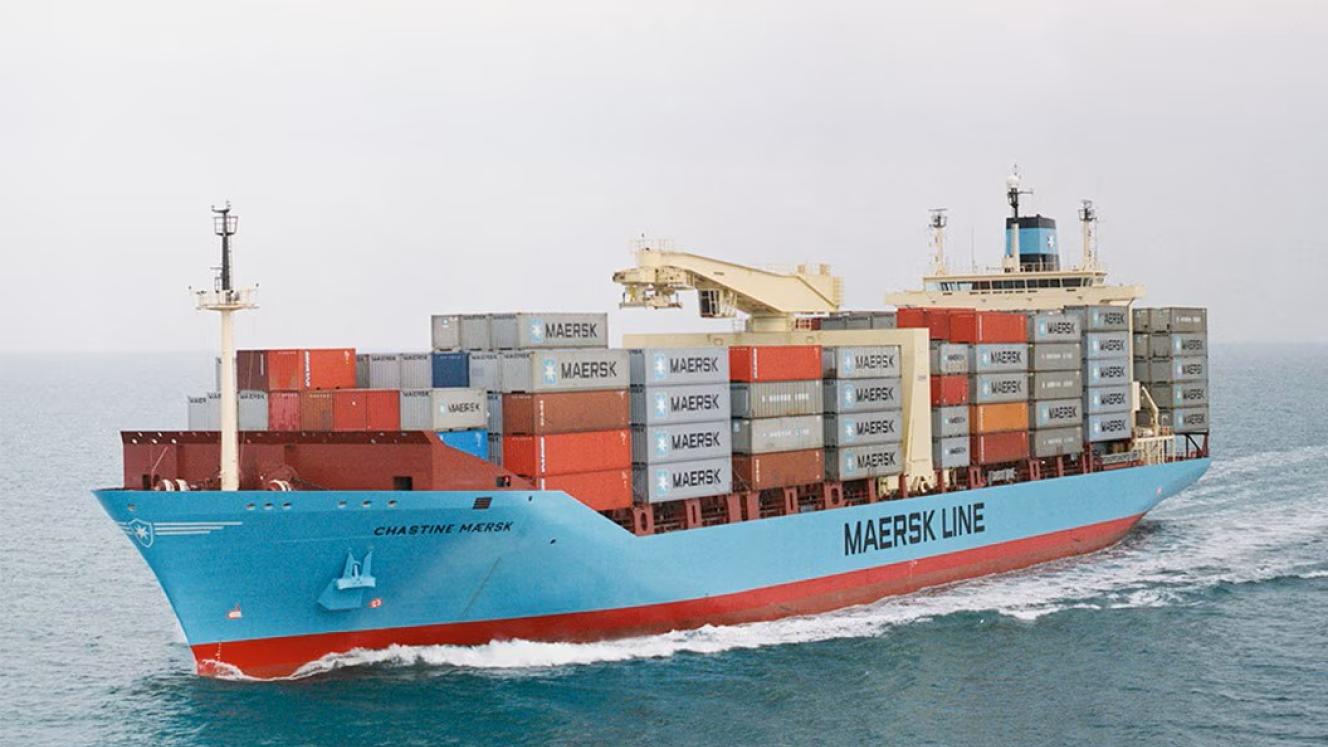
Cape Town’s ship repair facilities are beginning to benefit from shifting global shipping patterns, with two vessels originally scheduled for dry docking in the Gulf now set to undergo repairs in the Cape.
Serious efforts are under way to attract more vessels to Cape Town for dry docking, says Terry Gale, chairman of the Cape’s Port Liaison Forum (PLF), an initiative of the Cape Chamber of Commerce and Industry.
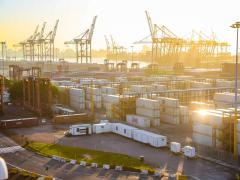
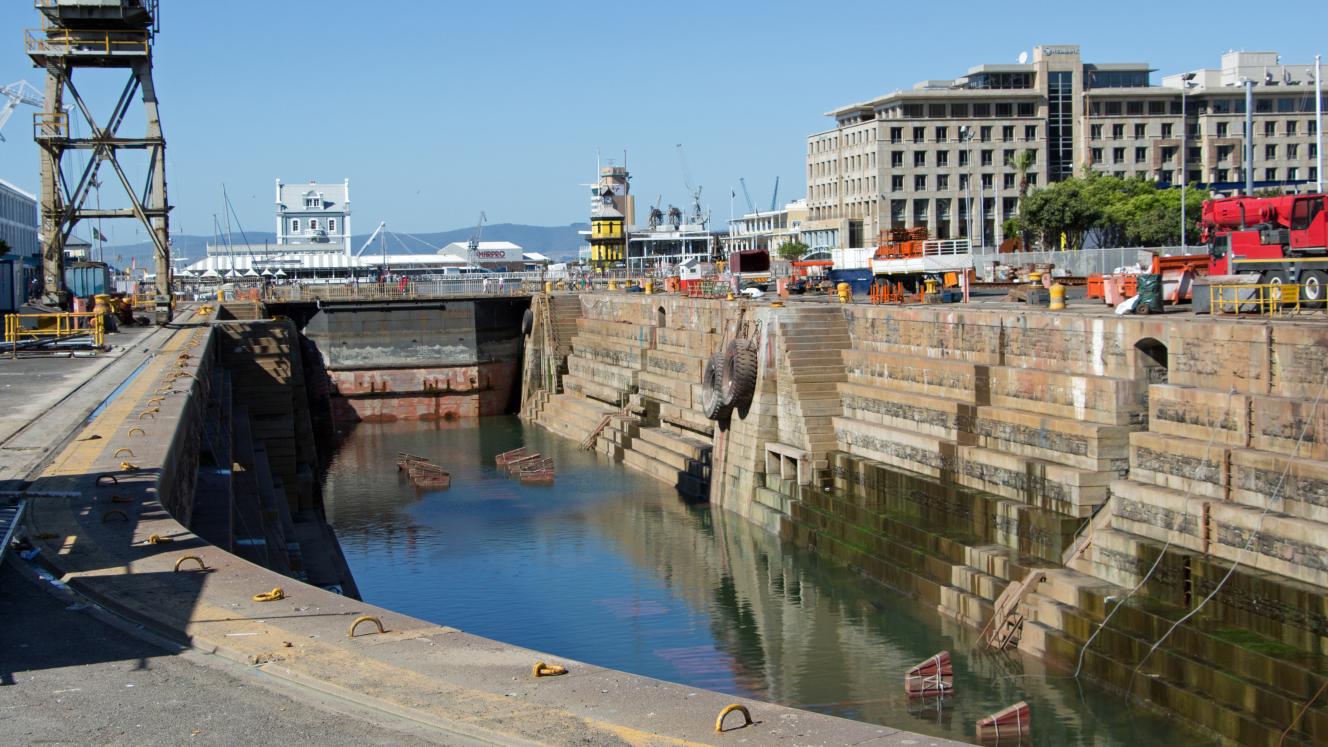
“The Port of Cape Town’s Sturrock Dry Dock is the biggest in the Southern hemisphere and we are ideally positioned to become a major ship repair hub if service delivery remains strong,” said Gale.
An update was shared on the port’s dry dock facilities during a recent PLF meeting, with industry experts saying the facilities could deliver broader economic benefits to Cape Town if more ship repair work were secured.
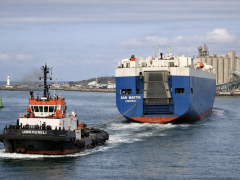
Gale said all facilities at the Sturrock Dry Dock were fully operational and the two vessels attracted from the Gulf for repair were a major boon. Vessels are currently in the dry dock, with additional bookings scheduled over the coming months, including chemical tankers, LPG carriers and offshore supply vessels.
“These operations are generating significant employment in addition to broader economic benefits for the region. We have been informed that the dry dock facilities are currently operating at very high capacity, with bookings extending into 2027 and even 2028,” Gale said.
While the dry dock was attracting work, the facility would need to be upgraded and enlarged if Cape Town wanted to become a globally competitive ship repair hub, said shipping expert, Brian Ingpen, during a recent presentation to Exporters Western Cape.
A single rig can inject several million dollars into the economy.
“We have to find a way to enlarge the existing dry dock. Not only to service the oil and gas sector, but also because vessels have become significantly larger over the past few years. If we want to accommodate these vessels, we will need to upgrade our facilities,” he said.
One of the major constraints facing the Sturrock Dry Dock is not its length but its width. While it can comfortably handle smaller vessels, the facility would need to be upgraded to accommodate larger ships.
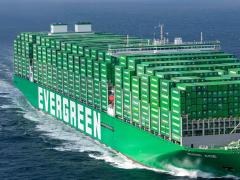
“We are seeing vessels of up to 400 metres and, if we have the capacity and capability to service them, we can unlock significant opportunities ranging from basic labour to highly skilled work,” said Ingpen.
Cape Town had steadily lost ship repair business to competing ports in the region, he added.
“One company alone is sending more than 40 bulk vessels to Brazil to load iron ore. These ships, some the length of four rugby fields, pass the Cape daily without stopping. They are not even considering us for ship repair.”