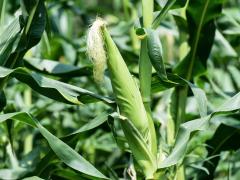
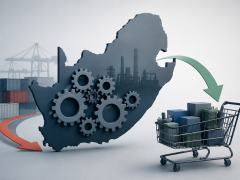
While the escalating trade war between China and the United States is sure to have a negative impact – particularly for emerging markets – some African exporters are exploring whether they can fill some of the commodity gaps left by the fall-out. “The imposition of tariffs on certain goods could provide a competitive advantage for some exporters, allowing them to command a greater market share in segments such as agricultural products that were previously imported from the US to China and are now targeted by tariffs, for example,” said Wandile Sihlobo, chief economist for the Agricultural Business Chamber of South Africa (Agbiz).
He said this could in turn translate into increased Chinese investment in these African exporters’ agricultural sectors. However, while South Africa has made some progress in upping its production of soybean, cotton, sorghum, swine offal, tobacco and pistachio nuts, it remains a “relatively small” player within the Chinese agricultural market. “Subsequently, I don’t I think South Africa is in a position to exploit the agricultural opportunities presented by the US-China trade friction. The countries that would be in a position to do so, and are already, are mainly South Americans, “ he said. Donald MacKay, director of XA International Trade Advisers, takes a similar
viewpoint, highlighting on the XA website that while there could be long-term benefits to local agricultural producers, the opportunity for most African countries to quickly fill in the voids left by the US or China in their respective economies are “thin”. “Productivity on the continent is extremely low, the ease of doing business is poor and integration, both at local and international level, is shallow. Rapidly improving their business environment would therefore be necessary for these countries to be able to substitute production from either the US or China,” he pointed out. Chief economist at the Industrial Development Corporation (IDC), Lumkile Mondi, suggests that local exporters should rather focus on increased trade within the African continent and not overreach in a playing field where they may not yet be competitive enough.
I don’t think South Africa is in a position to exploit the agricultural opportunities presented by the US-China trade friction. – Wandile Sihlobo