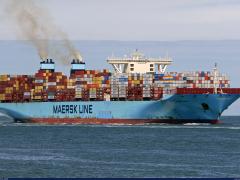
Trade finance is in need of a makeover in order to speed up transactions, according to IBM senior client executive Fabio Keller. “To understand the benefits of using blockchain for trade finance, you have to know why trade finance is in need of a makeover. Following traditional trade practices, completing a transaction can take days up to weeks. “Buyers, sellers, their banks, transporters, inspectors, regulators – everyone involved needs to pass off on the trade but they all have their own forms and records to fill out. “Capital is tied up as paper documents are sent back and forth, checked and rechecked, reviewed and reconciled,” he says. But, perhaps the biggest attraction for all legitimate parties involved in trade is that blockchain will help reduce fraud because all transactions are fully visible and traceable. Theory was put into practice in September 2016 when Barclays and an Israelbased start-up company completed the world’s first trade transaction using blockchain technology. It reduced processing time from seven to 10 days to less than four hours. The letter of credit transaction was for around US$100 000 of cheese and butter exports from Irish co-operative Ornua to the Seychelles Trading Company. There are, however, a number of legislative and other hurdles which need to be overcome and widespread use of blockchain-facilitated trade finance is five to ten years away, according to some commentators. A global system will need to include shipping companies, ships agents and the freight providers, as well as the ports, the customs authorities and the insurers. Maersk, the world’s biggest container shipping line, has come on board with IBM to launch a blockchain platform designed to digitise the supply-chain process. To speed up the roll-out and possibly to ensure that they are not left out of the loop as the banking sector has been with crypto currencies, a number of banks have partnered with IBM to “build a new global system for trade finance using blockchain technology,” according to an IBM media release. Marie Wieck, a general manager at IBM Blockchain, told journalists that a pilot of the Batavia platform was expected to be run in the first quarter of 2018. Much of the mysticism around blockchain is stripped out in an explanation by Netherlands-based RaboResearch. In “plain English,” they say, blockchain is a large, decentralised spreadsheet in which transactions are securely recorded. “Everyone in the network owns a replicated version of the ledger. Ownership and transactions are stored in data blocks, each of which is secured by a cryptographic algorithm. “The blocks are then linked to each other, which is why the technology is called blockchain. “The algorithm and the linking process ensure that transactions cannot be tampered with, provided that the majority of the participants in the network ‘agree’ on the current version of the ledger.” Phillip Silitschanu, founder of Lightship Strategies Consulting and CustomWhitePapers.com, says blockchain will cut out duplication of paperwork. “With a traditional trade finance system, the importer, exporter, shipper, banks, etc must all maintain their own database for all the documents related to a transaction (the letter of credit, bill of lading, invoices, etc). “Each of these databases must be constantly reconciled against each other, and if there is an error in one document, corrective steps must then be taken to determine which (if any) copy of the document is correct. “A single blockchain can embody all of the necessary information in one digital document, which is updated nearly instantly, and viewable by all members on the network at the same time.”
Blockchain provides trade finance ‘makeover’
Comments | 0
© Now Media. This content is protected by copyright and may not be adapted or republished. If you would like to discuss cooperation opportunities, please contact: editor@freightnews.co.za.