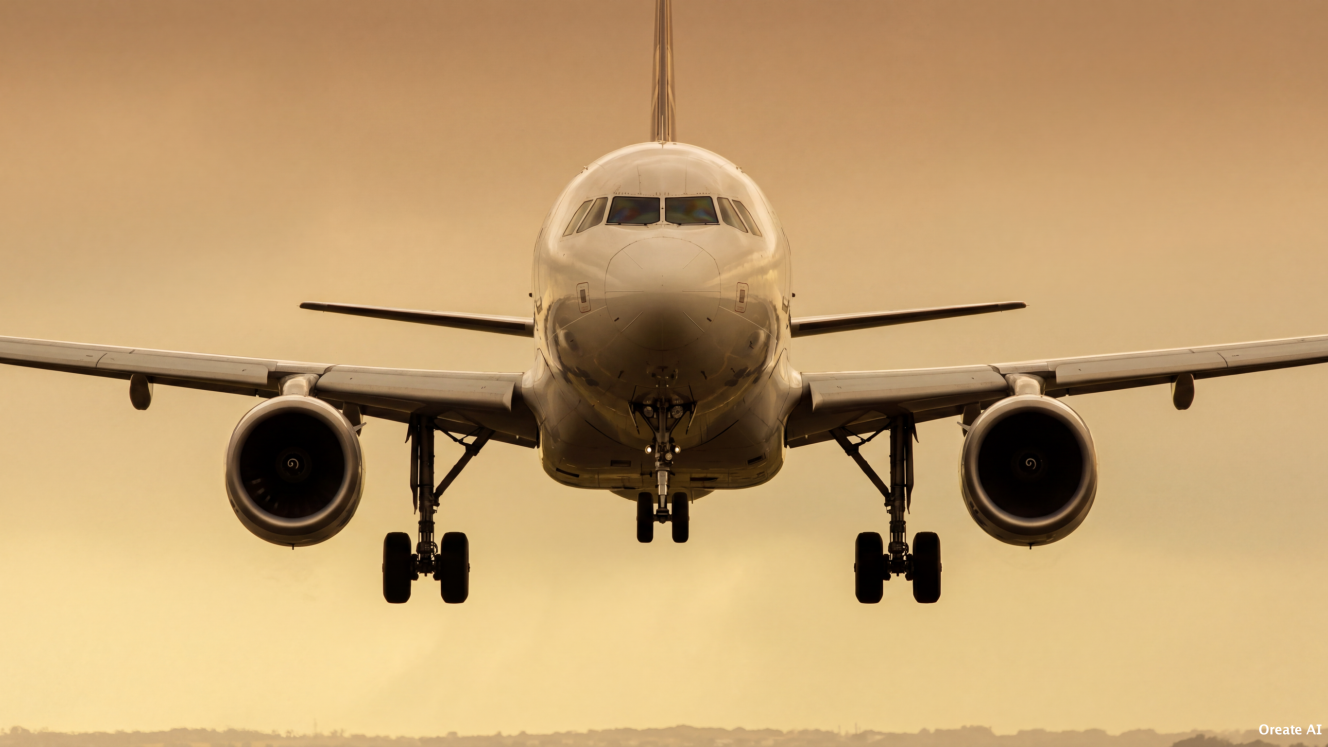
Global aviation supply chain failures cost airlines more than US$11 billion in 2025, while aircraft delivery delays, engine reliability problems and shortages of spare parts continue to constrain air cargo capacity, according to the International Air Transport Association (IATA).
New aircraft deliveries had fallen so far behind schedule that airlines were being forced to keep older aircraft in service for longer, increasing operating costs and limiting capacity, IATA director of flight and technical operations Stuart Fox said, speaking at the inaugural IATA World Maintenance and Engineering Symposium in Madrid on Wednesday.
"The impact on costs, capacity, resilience and sustainability is real and will impact both passengers and shippers," Fox said.
Supply chain disruptions had left airlines facing an aircraft order backlog of more than 18 000 aircraft, while delivery shortfalls exceeded 5 000 aircraft, the association said. The average global fleet age has also reached a record 15.2 years, reducing the fuel efficiency gains airlines had expected from newer aircraft.
The US$11bn cost to airlines in 2025 included US$4.2bn in lost fuel savings from operating older aircraft, US$3.1bn in additional maintenance costs, US$2.6bn in engine leasing costs as powerplants spent longer in maintenance, and US$1.4bn in higher spare-parts inventories as airlines stockpiled components to mitigate shortages, data shows.
The industry's maintenance challenges were likely to intensify as the global fleet expanded, Fox said. Annual maintenance shop visits for CFM LEAP engines were expected to increase from about 600-800 this year to more than 5 000 by 2040, while Pratt & Whitney GTF engine shop visits were forecast to double from about 1 000 to 2 000 over the same period.
He also highlighted the scale of current engine maintenance constraints, noting that 648 Pratt & Whitney GTF-powered aircraft – representing 28% of the global GTF fleet – were grounded in March 2025 while awaiting engine shop visits, spare engines or replacement parts.
To improve supply chain resilience, IATA called for manufacturers to provide airlines with earlier and more transparent information on delivery delays and parts availability, greater competition in the aircraft maintenance and repair market, wider use of data and artificial intelligence to improve maintenance planning, and measures to expand the global pool of qualified aircraft maintenance technicians.