Major transport corridors and strategic logistics nodes could face disruption during planned anti-illegal immigration protests on June 30, according to a risk analysis by Fidelity Business Intelligence and the Intelligence and Tactical Operations Centre (ITOC).
The report found that while the current unrest remained decentralised, it had the potential to disrupt key transport routes and business operations.
KwaZulu-Natal has been identified as a key hotspot, followed by Gauteng. Potential flashpoint routes include the R74 to KwaDukuza, the N2 in KZN, Umgeni, City Deep and Germiston, as well as Durban port-linked routes and Beitbridge, which "remain sensitive".
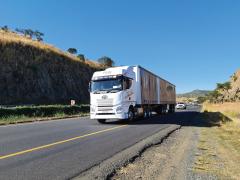
The report warns that operational impacts could include delivery delays, route deviations, staff arrival delays and freight interruptions, with road blockages posing the main risk.
"The main threat is not only protest attendance, but the operational consequences of protest movement through sensitive areas. These include road blockages, crowd pressure, intimidation of foreign-owned businesses, demands for workplace documentation, temporary business closures, access restrictions at public-service sites, delayed staff movement and disruption to logistics routes," it said.
Other hotspot areas identified in the report include:
• Eastern Cape: Ngqeleni, Komani, KuGompo City, Gqeberha Central, and the route from Ngqeleni Sports Ground to the municipal offices.
• Mpumalanga: Eloff, Sundra, Rietkol, Savannah, Bethal, Matsamo Mall, Thembelihle, KwaMhlanga and Emzinoni.
• Western Cape: Hermanus, Wynberg/SASSA/Home Affairs, Cape Town CBD, informal trading nodes, Wynberg Main Road, Main Road/Piers Road and Newlands.
• Limpopo: Venda/Sibasa, Beitbridge/Musina, Polokwane, and the Venda Match to Match/Goda Eskom Station area.
• North West: Rustenburg, Phokeng and mining nodes.
• Free State: Bloemfontein and Phuthaditjhaba.
• Northern Cape: Barkly West/Dikgatlong Municipality, Kimberley, Galeshewe and taxi-rank areas.
The report said retail, logistics, foreign-owned businesses, taxi ranks, industrial parks, malls and government service sites remained the most exposed environments.
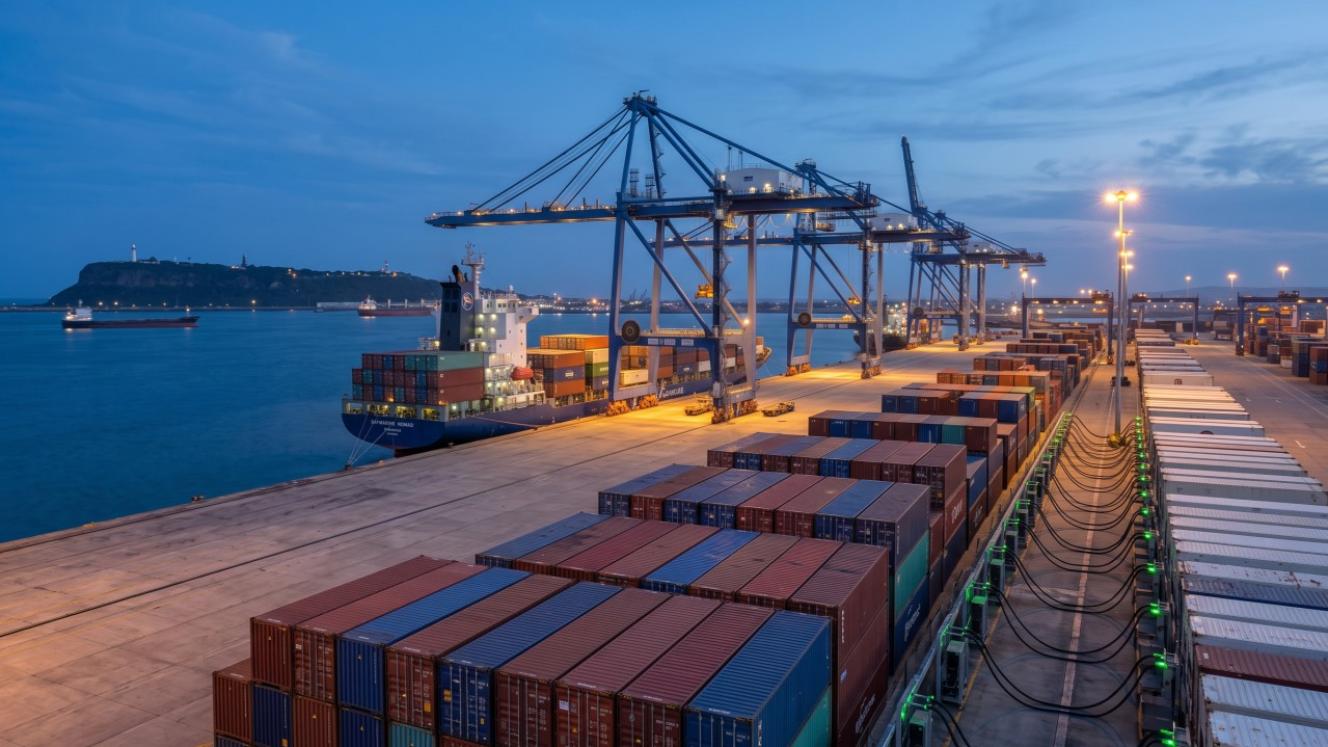
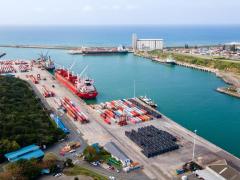
Maritime and road freight operations linked to the Durban port network are considered particularly vulnerable. ITOC has already confirmed significant disruptions along the R74 KwaDukuza/Stanger-Greytown route, where a service delivery protest blocked the road in recent weeks.
Gauteng has been assigned a ‘moderate-high’ risk rating. Active protests have affected Hornsnek Road in Andeon, Pretoria, where burning tyres and debris obstructed traffic. Corridors including City Deep, Germiston and Kempton Park faced heightened exposure to disruption as planned marches approached, the report said.
In response, Fidelity Services Group has activated contingency measures to safeguard commercial infrastructure and cargo moving through high-risk areas.
"Our teams are on standby with comprehensive contingency plans in place to manage any potential incidents arising from the planned protest action," said Fidelity Services Group CEO, Wahl Bartmann.
The report comes after Minister of Police, Feroz Cachalia, announced over the weekend that government was spending R600 million on strengthening security measures ahead of the anticipated protests.