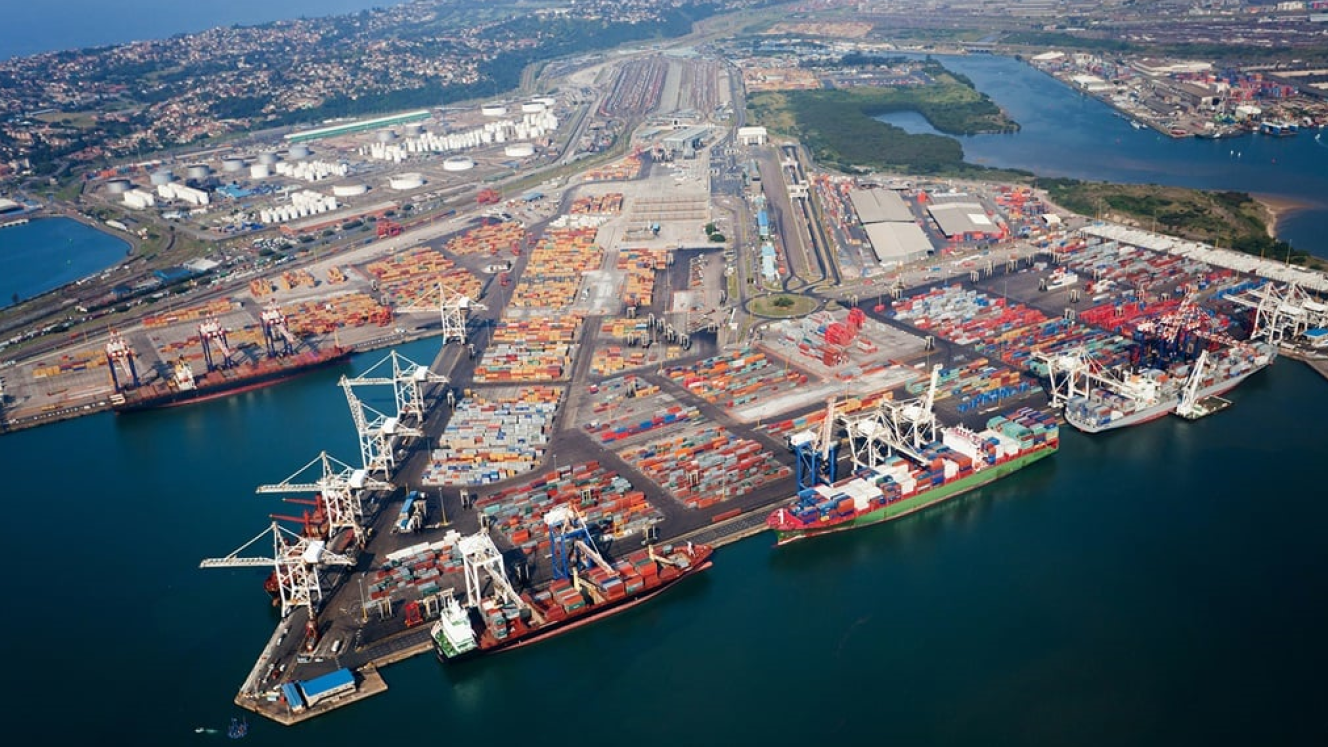
With its growing population and emerging economies, the consumption of pharmaceuticals in Africa is growing at around double the rates of the rest of the world, says Mike Bath, managing director of distribution company, Marshall Hinds. This fact is confirmed by a recent white paper produced by global information and technology services company, IMS Health, forecasting that by 2016, pharmaceutical spending in Africa is expected to reach US$30 billion. Spurred by a convergence of demographic changes, increased wealth and healthcare investment, and rising demand for drugs to treat chronic diseases, this market will potentially represent a US$45-billion opportunity by 2020, according to the IMS Health reported titled, ‘Africa: A ripe opportunity’. The report notes that most of the major pharmaceutical multinational corporations have had a presence in Africa for a number of years but that the expanding presence of Asian manufacturers in Africa has seen the proportion of pharmaceuticals being imported from India and China more than double in value terms in recent years. “Indian and Chinese manufacturers have gained market share primarily through competitive pricing and by simultaneously targeting different markets in the generics space,” says an IMS Health spokesperson. Nevertheless, Africa still presents huge logistics and infrastructure challenges, although this varies from country to country says Bath, commenting that regulatory shortcomings, fragmented distribution channels, patchy GDP compliance, long transport routes, inefficient customs clearance, cold chain integrity problems – especially power availability – are amongst the difficulties faced. “In the short term an absence of infrastructure can be partially offset by improved handling procedures, good staff training and the intelligent use of modern passive temperature protection solutions such as the Tyvek cargo covers which we distribute on behalf of DuPont,” says Bath. However, he adds, on a strategic level, the infrastructure and qualified staffing problems must be dealt with at governmental level with a focus on public-private partnerships.
Africa's pharma spend set to reach $30bn next year
Comments | 0
© Now Media. This content is protected by copyright and may not be adapted or republished. If you would like to discuss cooperation opportunities, please contact: editor@freightnews.co.za.