South Africa’s ports remain competitive only because other ports in Africa have a huge legacy of poor infrastructure and regulatory uncertainties.
That’s the view of Hamburg Süd general manager for sub-Saharan Africa, José Jardim, who told FTW that this would very soon change as ports like Walvis Bay and Maputo were working very hard to improve their infrastructure.
An industry expert told FTW that the country’s ports were at risk of losing business to these and possibly other East African ports, especially for traffic to central Africa, as well as transhipment business to the likes of Port Louis and Tema.
“South African ports are not competitive worldwide. Services have been cancelled because of unreliability – and with port tariffs increasing South Africa will not enjoy its position as the gateway into the continent for much longer,” said Jardim. He disagreed with a recent statement by the Ports Regulator of South Africa (PRSA), in its Global Pricing Comparator Study, that port tariffs had been steadily decreasing over the past six years.
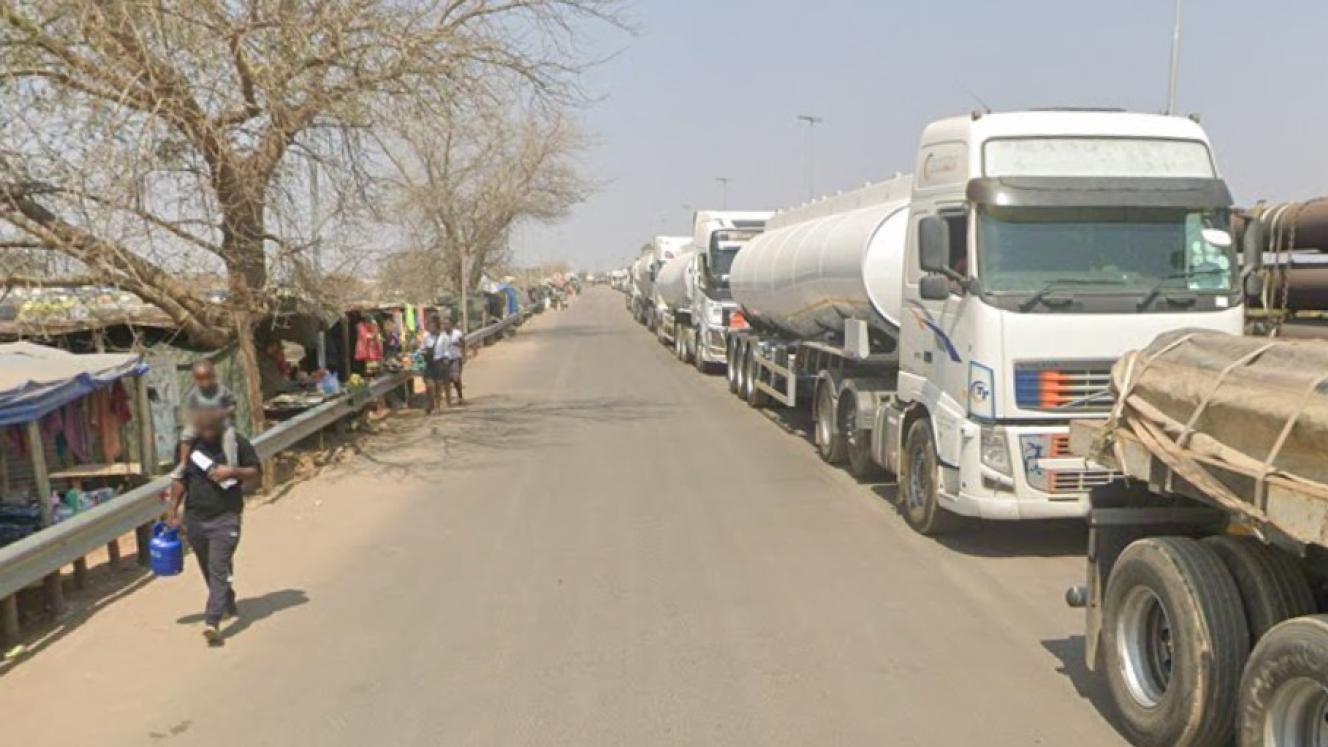
“The port tariff itself can’t be looked at in isolation,” he said. “If a truck has to wait hours outside the terminal to deliver a box and terminal productivity is poor, it increases the operating costs. “If a vessel has to wait outside for days to berth and then burns more bunker fuel to catch up on the schedule, it makes the entire operating cost more expensive.”
Industry sources who spoke to FTW on condition of anonymity agreed that in nominal rand terms, port charges were not declining and had not done so in recent years. They said that while some port charges – such as cargo dues – might have declined in real rand terms, these declines were offset by the increased inflation rate.
“Shipping lines are extremely conscious of the high tariffs and other influencing factors, such as port congestion, berthing delays, labour unrest, equipment availability and work stoppages that seriously affect the turnaround time of the vessel and overall scheduling,” a source told FTW.
“The overall high cost of operating in SA increases the cost to the shipping lines and the shipper and reduces the profitability of services,” added Jardim. “Due to the inefficiencies, we are more limited on how to develop new services for our customers.”
He pointed to bad planning in the allocation of resources and capital expenditure as the key reasons for the country’s high port tariffs. Meanwhile, the lack of competition in various modes of container handling was also identified as a contributing factor, particularly where Transnet Port Terminals controlled 100% of operations.
“Transnet has to look at how to extract the maximum from their assets and reduce costs like anyone else,” said Jardim.
INSERT
Transnet has to look at how to extract the maximum from their assets and reduce costs like anyone else. – Jose Jardim