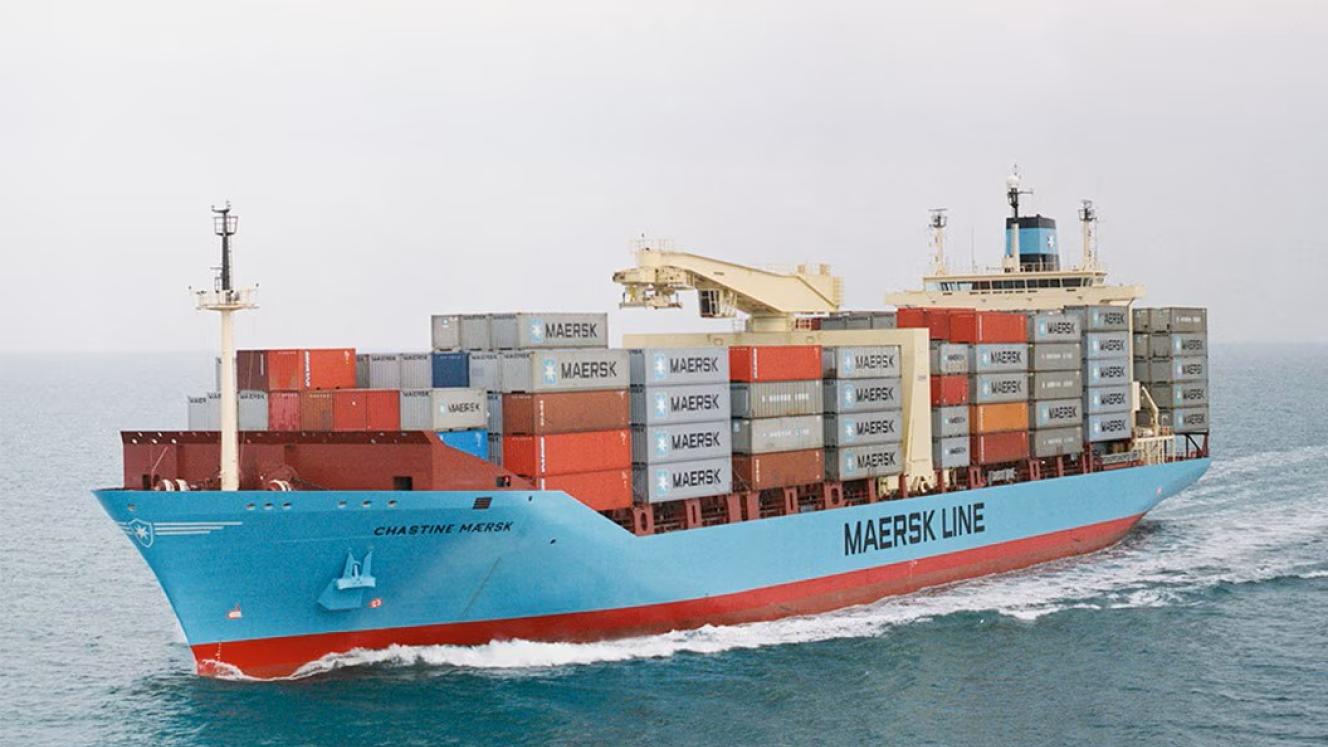
Africa is where the opportunities lie. That’s the consensus of more than 1000 respondents across the aviation, rail and shipping industries who participated in the fourth Norton Rose survey branded “The Way Ahead – Where are you now?”. The survey findings reflect Africa’s demand for strategic changes in business, according to Andrew Robinson, head of transport at Norton Rose SA. “Africa comes out as the most positive region, which is not surprising,” he told FTW. “The reason for this is that there are so many new mining and other industrial projects in Africa that there is bound to be a great need for road, rail, ports, airports, shipping and other infrastructure.” Although the sample from Africa was low, the response showed strong growth in African participants’ work forces and turnovers, and an increased demand for new sources of finance in the long-term leasing, structured finance and private equity spaces, Robinson added. “Many of the global trends in transport across the aviation, rail and shipping sectors are mirrored in Africa,” he said, “but with a more optimistic outlook.” “The extent of price, cost and funding pressures on the transport industry is clear,” Robinson said, “with 35% of respondents citing increased financial constraint as one of the most significant changes to their businesses between 2010 and 2012.” He also noted that the majority of respondents also reported making changes to their strategy in response to the more challenging business environment. “Two-thirds of respondents report that they have sought to change their market position during this period – in terms of the market segment in which they operate, the range of products and services they offer, or their geographical focus. The aviation sector is most likely to have sought to change its market position, although Africa is still the most important geographical market for African respondents.” While the survey indicates that the sectors surveyed are adopting new strategies in the wake of the global financial crisis, demand for government investment in infrastructure is growing. “Eighty percent believe government support for the provision of infrastructure – such as increased airport and rail capacity and better road and rail links to ports – is essential,” said Robinson. “Also, 70% believe that infrastructure investment is the most helpful form of government support for their industry.” However, despite this, just 29% believe that government support will be sufficient over the next five years. According to Robinson, respondents based in the Middle East were most optimistic that their infrastructure needs would be met, but respondents based in Africa – including SA – were most pessimistic. “This pessimism is surprising,” he said, “in view of the SA government’s undertaking to spend approximately R300 billion on transportrelated infrastructure projects.” Despite this, what stuck out was that the global transport industry in all its forms – with the SA industry following the trend – was continuing to explore alternative sources of funding, Robinson added. “Looking regionally into Africa, the preferred sources of new financing are long-term leasing (25%), structured finance and private equity (both 21%),” he said. And, for the sources of this finance, the main African points-of-call are London, Singapore and China – and Robinson again highlighted that the SA entity was also following this trend. “A prime example,” he told FTW, “is that Transnet is currently looking to China to finance its transport infrastructure development projects.” INSERTS 29% believe government support will be sufficient over next five years. 26% saw a reduction in fixed costs 56% increased capacity of assets between 2010 and 2012. 57%reported a rise in turnover.
Africa comes out tops in logistics survey
Comments | 0
© Now Media. This content is protected by copyright and may not be adapted or republished. If you would like to discuss cooperation opportunities, please contact: editor@freightnews.co.za.