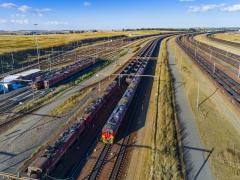
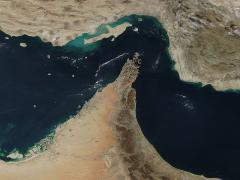
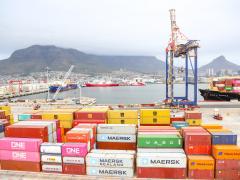
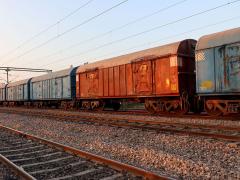
Doing business in the Eastern Cape is tough – and the hardest part often is breaking through the loser perception many of the province’s people have in themselves, their businesses and their prospects. Those who ignore the pessimism and look for opportunities usually find that the province has much to offer – particularly those involved in logistics and transport. For a start, the province has three ports. Business in Port Elizabeth, in particular, has not grasped the trading and value-adding opportunities created by having two ports that connect the city to the world and the rest of Africa. One of the companies to seize the opportunity is General Motors, which has established a parts warehouse in the Coega IDZ to serve Africa, and will be building an Isuzu bakkie designed for the African market. Transnet is coming under increasing pressure to also invest in East London, and some movement can be expected there. Additional volumes Votes aside from an increasingly restive ANC electorate, the “business case” for investment in the port is being provided by additional volumes expected through the Mercedes Benz plant, coal exports (from the Elitheni mine near Indwe at the centre of the province), and moves to boost agricultural and manufacturing output in the Border region. Ports, of course, need to be connected to markets through road and rail links. A billion rand is being invested in the province’s secondary roads during the current financial year as part of the government’s S’hamba Sonke – “Moving Together” roads infrastructure upgrade and maintenance programme. The Minister of Water and Environmental Affairs, Edna Molewa, has approved and given the go-ahead for the construction of the N2 Wild Coast Road. Costing R8 billion to R10 billion, the new tolled route will effectively shorten the distance between East London and Durban by 85 kilometres and open up the Wild Coast for development. Upgrades and repairs are also under way on most of the major routes. Rail links There is also intense lobbying for Transnet to upgrade the rail links to the province’s ports. On the Port Elizabeth route, the focus is on manganese exports from mines in the Northern Cape. Currently the line serves the main manganese export terminal through the port of Port Elizabeth, which is due to be decommissioned in 2017. If the volumes of manganese move to Saldanha – which is reportedly preferred by the big mining companies – the rail link will effectively be downgraded to branch line status. This will be a blow for the Kalagadi group which is planning to build a 320 000-ton-a-year manganese smelter in the Coega IDZ. Due to be operational by 2013, the smelter will be one of the biggest of its kind in the world. Any downgrade of the line would also affect prospects for Coega, which was established to create jobs in a metro where unemployment runs as high as 75% in some townships – a situation which neither the ruling party nor the private sector can allow to persist. Air links a challenge Air links remain a challenge, with the Airports Company investing R98 million in East London, and R68 million in Port Elizabeth to spruce up facilities ahead of the World Cup, but doing nothing to extend the runways to take direct international flights. But, overnight road links to the Gauteng hub at OR Tambo provide a cheaper and often more reliable option for perishable and other freight exports. There’s more, but the point is that opportunities abound – you just wouldn’t think so talking to the average Eastern Caper.
A province of promise – and some delivery
Comments | 0
© Now Media. This content is protected by copyright and may not be adapted or republished. If you would like to discuss cooperation opportunities, please contact: editor@freightnews.co.za.