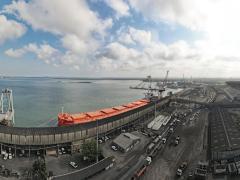
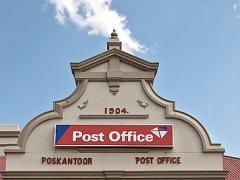
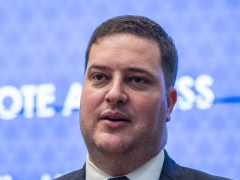
As the private sector both here and abroad continues to push for SA port facilities to be privatised, there’s a glimmer of hope in the latest announcement by new TNPA CE, Richard Vallihu. When he named the V&A Waterfront the preferred bidder for the cruise terminal at the Port of Cape Town last week, he commented: “As landlord and ports master planner, Section 56 of the National Ports Act mandates TNPA to contract with private terminal operators to design, construct, rehabilitate, develop, finance, maintain and operate port terminals or facilities,” he said. But there appears to be a disconnect between the port authority’s actions and words. South Africa would have to embark on an arduous political journey before there is any chance of privatisation of port container terminals, according to Peder Sondergaard, Africa & Middle East region CEO of the AP Moller/Maersk subsidiary, APM Terminals. And APM has been involved in attempts to break into this market up to now. It certainly had a plan to become involved with a local, private sector logistics operation in a proposed container terminal at Richards Bay. But Transnet National Ports Authority (TNPA) backed down on its part of the deal. There were also loud market whispers about APM possibly looking at the Port of Ngqura when it was thinking about privatised involvement in its foundling days, and also to be looking at a similar private/public partnership for the terminals at the proposed Durban dig-out port. But SA is just not there yet. Most countries in the mature economies around the world and many other countries in Africa have already restructured their approach to utilities and infrastructure, Sondergaard told FTW. “In the past,” he added, “the governments usually operated (commercially) the port and other utilities. “However, over time, most governments have come to the conclusion that they should concentrate on being the landlords and setting policies and long-term master plans, whereas the private sector is better equipped to run the commercial operation.” But that’s not the case in SA, where government thinking is focused on maintaining its prime parastatal operations, particularly where the obsessive word “strategic” comes into play. Not that Sondergaard denied that APM would love to get its paws on an SA container terminal as very much a plus part of its African ports business development. Maersk, in its shipping, terminals, and oil & gas interests already employs almost 10 000 people in more than 40 African nations and generates about 10% of its sales in and around the continent. The company’s APM Terminals unit operates 10 West African ports, and is actively looking in East Africa for opportunities – where the present tender process for two new berths in the Kenyan port of Mombasa is currently catching APM’s eye. It is also looking to win contracts in other ports – like its chase to be part of Maersk’s bid to help build a new port in Badagry in Nigeria’s southern Lagos state. Maersk is also working on a more than R12-billion expansion to Ghana’s Tema port – including the construction of four new berths to more than quadruple the port’s capacity. It will also be opening its over R6bn project to build a second container terminal in Abidjan, Ivory Coast’s commercial capital, next year. Maersk and APM Terminals sales from Africa have been growing at 5-6% a year, tracking the continent’s economic growth. And this trend is expected to continue. And getting its paws on an SA ports involvement? “We are ready to review potential APM Terminals involvement if the government should decide to privatise or commercialise the operation of the existing ports,” Sondergaard told FTW. INSERT & CAPTION South Africa would have to embark on an arduous political journey before there is any chance of privatisation of port container terminals. – Peder Sondergaard
A change of heart on port privatisation?
Comments | 0
© Now Media. This content is protected by copyright and may not be adapted or republished. If you would like to discuss cooperation opportunities, please contact: editor@freightnews.co.za.