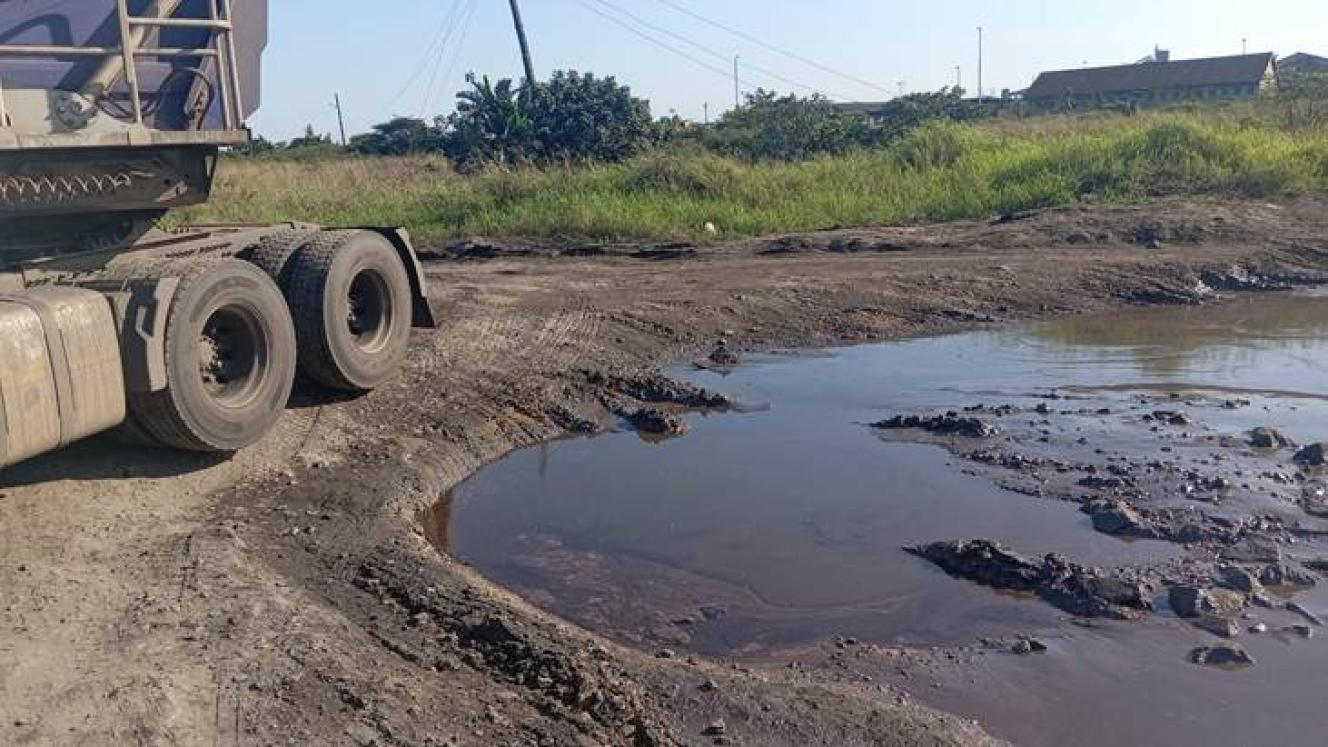
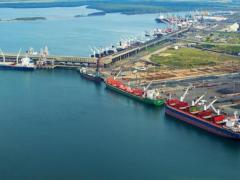
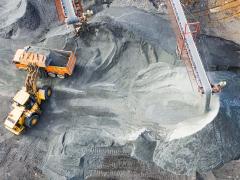
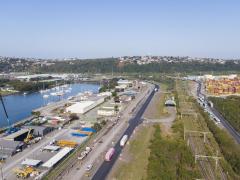
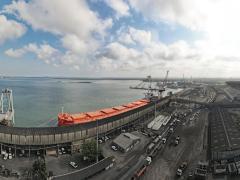
A new struggle faces the people of Mozambique 20 years after the ending of the civil war with the signing of the Rome Accord on October 4, 1992. This time the fight is for jobs, breaking the poverty cycle, and creating a reason to hope for the youth of the country. More than half of the present population of Mozambique is under 18, which means they have no memory of the devastating 16-year civil war in which a million people died and rural infrastructure and society were largely destroyed. Instead, they face a daily war against hunger and joblessness – and they are getting angry. “There is no peace when we have more Mercedes and fewer hospitals... when we have more mega-projects and more unemployment,” the president of Mozambique’s “Youth Parliament”, Salomao Muchanga, said in a statement published in the daily newspaper CanalMoz on the anniversary of the Rome Accord. Squatter settlements in and around Mozambican cities bear testimony to the challenges still facing those whose families fled the fighting. Many live on as little as US$1 a day. But the government has a new arsenal of powerful weapons with which to fight the poverty trap. Massive reserves of coal, oil and gas, as well as the revival of the agricultural sector, promise to unlock massive economic growth. Private public partnerships have been entered into with port and rail operators in order to build up the infrastructure needed to handle the growing flow of cargo in and out. The rapidly expanding economies of Mozambique’s neighbours add more strings to the bows of policy-makers and leaders – and support investors in the country’s ports and railways. There are also signs that the Mozambican manufacturing sector is starting to revive, according to the International Monetary Fund’s (IMF) Regional Economic Outlook: Sub-Saharan Africa. This has been accompanied by “rapid average labour productivity growth”. One of the challenges facing all industries – including logistics and freight – is the lack of skills. According to the IMF report, Mozambicans averaged 3.4 years of schooling in 2010 – which is up from the 2.4 in 1995. Mozambique has the advantage of being able to learn from the mistakes of others after literally striking it rich. There are signs that the authorities understand the risks of non-inclusive economic growth. A statement issued by an IMF mission to Mozambique in March “welcomes the authorities’ commitment to accelerating poverty reduction and the initial steps in implementing the 2011-14 Poverty Reduction Strategy (PARP). “The mission concurs with authorities’ structural reform priorities. It welcomes their sustained commitment to further strengthening financial sector development, public finance management, tax policy and administration, debt management and investment project selection, natural resource management, and the framework to fight corruption and money laundering,” it adds. Whatever happens, freight will need to move. But it will be a whole lot easier to be profitable in a country at peace with itself, and in which the wealth is more evenly shared. CAPTION Trucks and bicycles share the entrance road for container traffic into the port of Beira.
20 years on and Mozambique faces a new war
Comments | 0
© Now Media. This content is protected by copyright and may not be adapted or republished. If you would like to discuss cooperation opportunities, please contact: editor@freightnews.co.za.