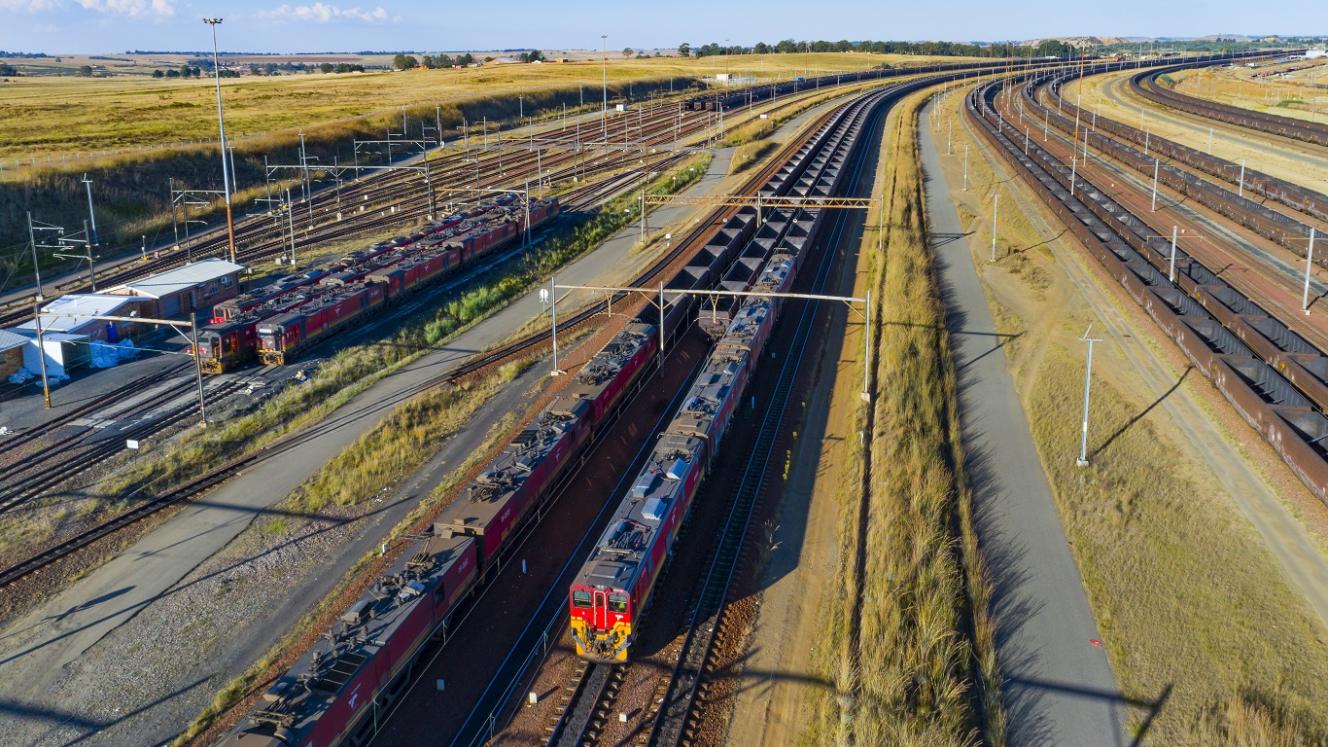
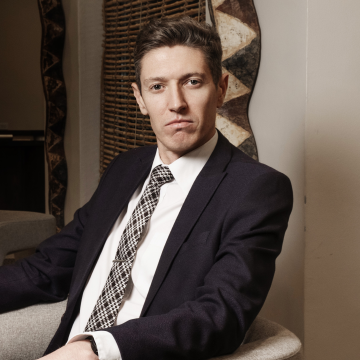
Violence and intimidation is increasingly becoming a trend in SA strikes, according to Eddie Webster, former Wits professor of sociology and the retired founder and director of the Society, Work and Development Institute. This is tending to lead to situations like the violent wildcat strike by the Marikana mineworkers. And his comments came as transport workers downed tools on Monday (September 25) over unresolved salary issues. “An investigation of strike action over the last five years has shown that strikes are tending to get longer,” he told FTW. “And the longer they are, the more likely they are to become violent, as scabbing and intimidation take place – a problem that was a feature of the last transport workers’ strike, and one that transport operators were concerned might happen again this year,” he said. Webster’s thinking raises the lack of leadership as one of the causes of the violence, and of no control over rioting workers once it starts. It’s partly to do with the economic climate, he said. “Add to this you get management not being prepared to shift, and unions not able to deal effectively with the workers – and therefore you get uncontrolled wildcat strikes.” This whole situation is worsened by splinter unions appearing on the scene. “That’s bad for both employers and employees,” said Webster, “because you can’t hold back these splinter unions.” The problem at the Marikana Mine was exactly that, he added, where the National Union of Mineworkers (NUM) got a deal but the workers were not happy. “The NUM had a problem retaining its membership, because it was not strong enough,” Webster said. “And a rival union with stronger views came along and pulled out the NUM membership.” And other observers agreed with Webster. The strike occurred against a backdrop of antagonism and violence between the ANCallied NUM and its emerging rival, the Association of Mineworkers and Construction Union (AMCU), according to a columnist from the UK’s Guardian newspaper. The NUM, he wrote, was closely linked to the ruling ANC party but lost its organisational rights at the mine after its membership dropped from 66% to 49% and its leadership began to be seen as ‘too close’ to management. And that has been a recurrent theme in recent times. “Cosatu’s leadership is in for a real grilling,” said William Gumede, who worked for the group from 1986 to 1995. “Senior leaders are essentially a part of the establishment, while ordinary workers are really struggling.” Gumede foresaw further divisions in the labour movement because of the perceived disconnect between the workers and the union bosses. “We’re entering a period with extreme labour instability,” he added. The emergence of splinter unions is also likely to be a disturbing factor in the current transport workers’ strike. Cosatu general-secretary Zwelinzima Vavi said in an interview broadcast on SAFM the week before the strike started: “There are just too many unions that are facing a split from within. The SA Transport and Allied Workers’ Union (Satawu) is losing members to a splinter group.” CAPTION Last year’s transport workers’ strike ... Satawu losing members to a splinter group.
Union divisions raise concern against backdrop of transport strike
Comments | 0
© Now Media. This content is protected by copyright and may not be adapted or republished. If you would like to discuss cooperation opportunities, please contact: editor@freightnews.co.za.