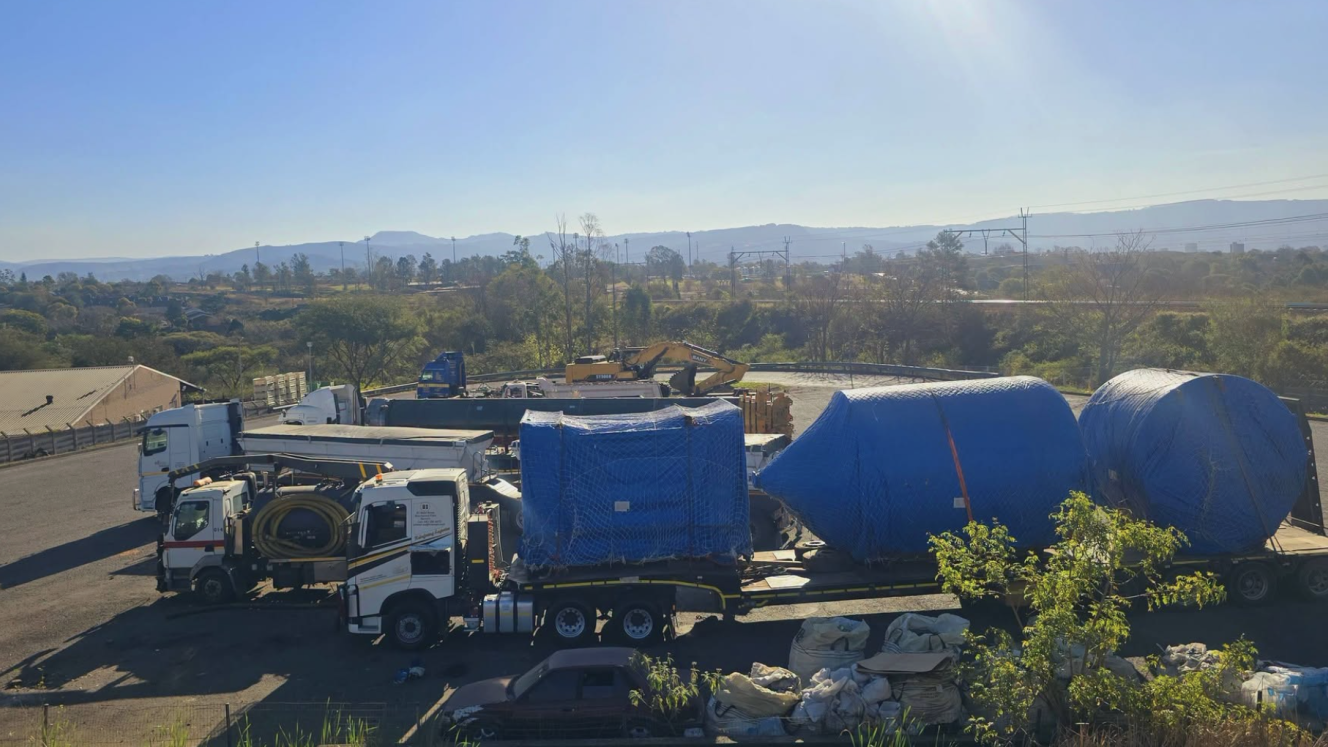
The movement of project cargo is not without its challenges, and when quoting it is always important to consider mode of transport – be it containerised, break-bulk or ro-ro – and take into account the routings that the various shipping lines offer, says Bridge Projects’ Clinton Eckersall. “What you are able to offer may not always be what the customer initially had in mind. Abnormal and project cargo require special handling and dealing with port authorities both locally and globally can be challenging. Effective communication and understanding a port’s capabilities and where external assistance is needed in terms of cargo handling are key to providing a seamless service.” He says while most major ports have the required equipment to handle significantly large and heavy pieces, in the event of the port equipment being unable to handle a particular piece, cranes from external sources need to be employed or a ship with its own gear found that is able to discharge the cargo. “Planning is crucial in this,” says Eckersall. “In the case of the latter a direct discharge onto the conveyance that will remove cargo from the port will have to be coordinated.” For abnormal cargo, restrictions are in place at every juncture. “Road transport has restrictions with respect to the type of trailers used, abnormal permits outlining specific routes to be travelled and times of travelling. Understanding the restrictions and ensuring that they are followed are key in the execution of the supply chain solution,” says Eckersall. Different countries also have different regulations regarding the transport and movement of abnormal and project cargo. “Very often project cargo will transit multiple countries before reaching its final destination. This is especially true for moving project cargo into Africa with South Africa’s superior port infrastructure. Understanding the regulations in all countries that cargo will transit is therefore critical.”
Understanding restrictions is key
Comments | 0
© Now Media. This content is protected by copyright and may not be adapted or republished. If you would like to discuss cooperation opportunities, please contact: editor@freightnews.co.za.