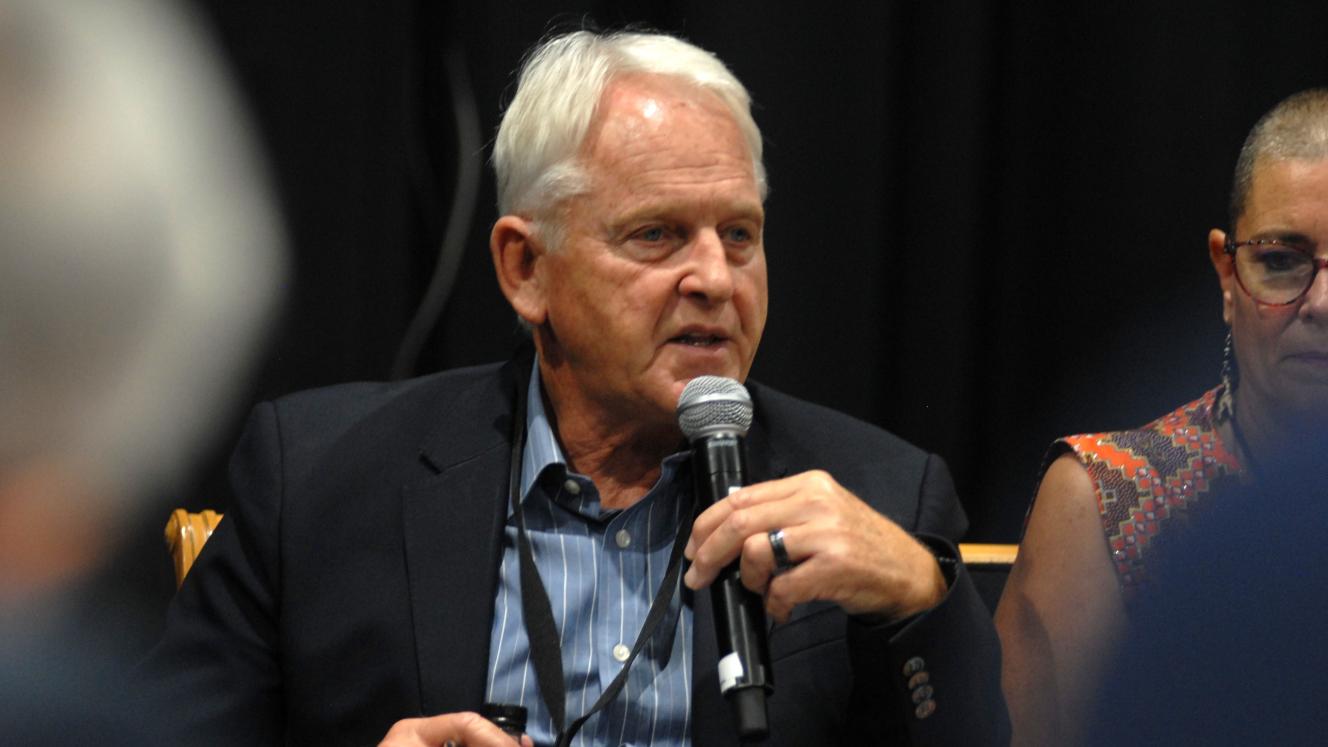
The lack of proper integration across Transnet’s value chain and the delays it causes amounts to significant expenses for South Africa’s cargo industry, Glen Steyn, director of Maritime Logistics Development in the Western Cape Province Government, has said.
Speaking at the National Transport Conference in Midrand on Tuesday, he delivered a strong response to a previous delegate’s presentation on the importance of treating ports as self-sufficient ecosystems.
He said, at the port ecosystem level, it remained to be seen “how to get an organisation like Transnet to integrate cargo planning with itself, its operating division, and then integrating that with shipping lines, exporters, importers and transporters”.
“The fact that we don’t have that integration is coming at huge costs because of delays at our ports,” Steyn said.
He added that this should especially be seen against opening remarks made by President Cyril Ramaphosa when the conference started on Monday, that South Africa loses about R1 billion in revenue per day because of port logistics.
Stellenbosch University Professor Jan Havenga, participating in the first panel discussion after Ramaphosa’s speech, said port improvements under the current leadership at Transnet had brought losses down to about R750 000 per day.
However, these costs and the ongoing need for increased integration requirements, continued to make the country’s port logistics uncompetitive, said Steyn.
Admittedly, improvement is under way, resulting in diminished losses as pointed out by Havenga.
According to Steyn, the implementation of online tools is driving a lot of progress, and the Western Cape is ready to reap the rewards, although, “for some reason, there is some resistance in the system.”
Referring to remarks made by Professor Peter de Langen of the Ports and Logistics Advisory in Malaga, that ports should work towards ecosystem enhancement, Steyn said improved systems integration could attract more investment.
He also mentioned leveraging existing skills to make ports more efficient, “like lean management training which can go right down to supervisory level”.
Optimising human potential to eliminate waste through delays, Steyn said “should be a top priority in logistics right now”.
The same point used to be raised by the late Mike Walwyn of the South African Association of Freight Forwarders, who often mentioned people and productivity as twin causes for loss of performance.
Steyn said: “To be clear on waste and the way we see it in logistics, is that any container that stands for five minutes longer than it has to, or any vessel that’s an hour longer at berth than it’s scheduled for, adds to waste.”