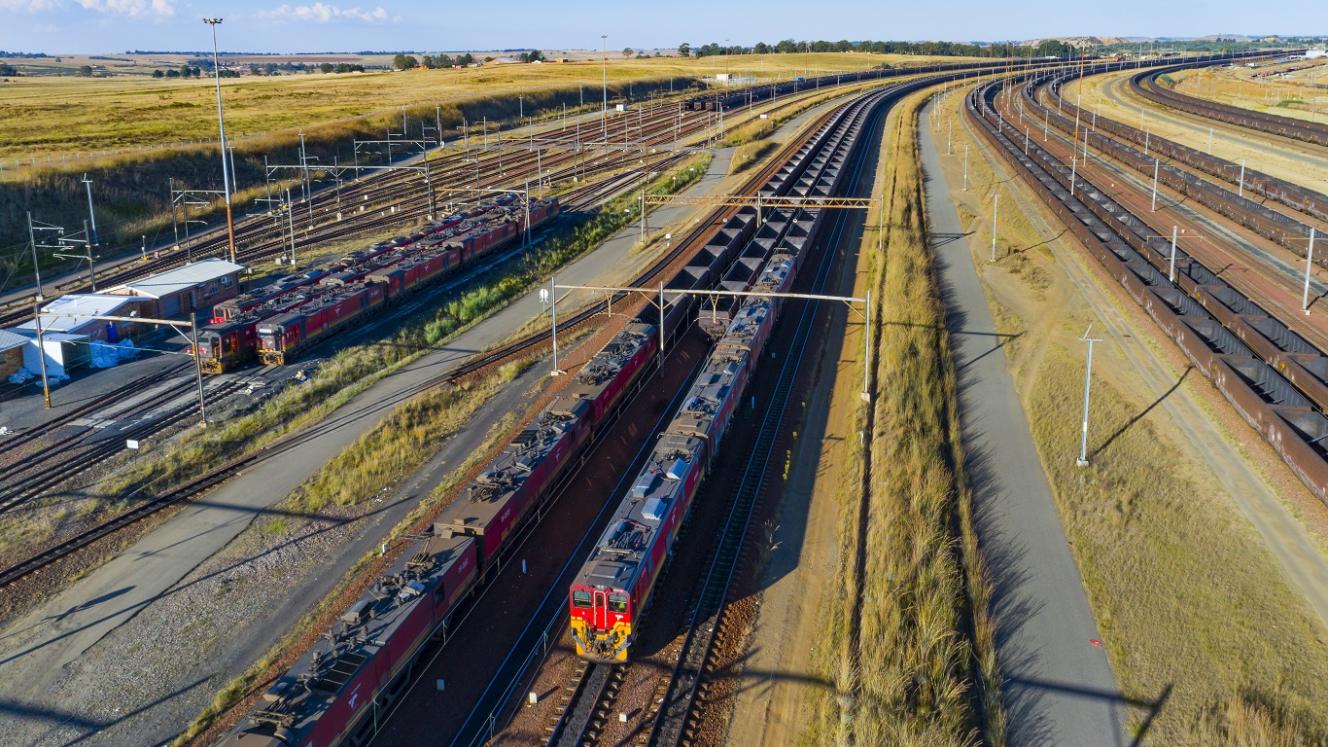
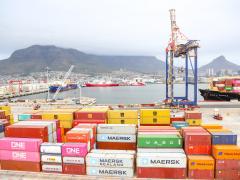
When Lesotho announced its intentions early this year to develop a rail system to enable the country to act as a transhipment point for SA goods, transport officials cited the success of Swaziland Railway making Swaziland an important transhipment point for SA cargo moving from west to east and back. SA cargo can also be switched northeast to Maputo via Swaziland. “We are geared to move bulk cargo, with our specialised wagons or in containers,” said Stephenson Ngubane, director of operations at Swaziland Railway. Ngubane noted that moving bulk cargo by rail was still the most economical way to transport such material as coal, sugar and textile inputs from Durban to Swazi factories. Timber and paper pulp are also moved by a rail system originally designed to transport iron ore to the sea via Maputo. Swaziland Railways leases five locomotives from Transnet Freight Rail and owns its own oil wagons. The country imports all its petroleum products via SA, thus making this commodity an important cargo for the railway. The company uses its own sugar wagons to move Swaziland’s top agricultural export and general wagons for other goods, most importantly cement and wheat imports. The railway’s expanding Matsapha Inland Clearance Depot has seen volumes rise from 2 500 TEUs early this decade to 15 000 TEUs annually. Transhipment of SA goods remains a profitable business for the railway because Swaziland offers Gauteng shippers a 270km “shortcut,” diminishing by three days transit time compared to other routes to Durban.
Transhipments are big business for Swazi Rail
Comments | 0
© Now Media. This content is protected by copyright and may not be adapted or republished. If you would like to discuss cooperation opportunities, please contact: editor@freightnews.co.za.