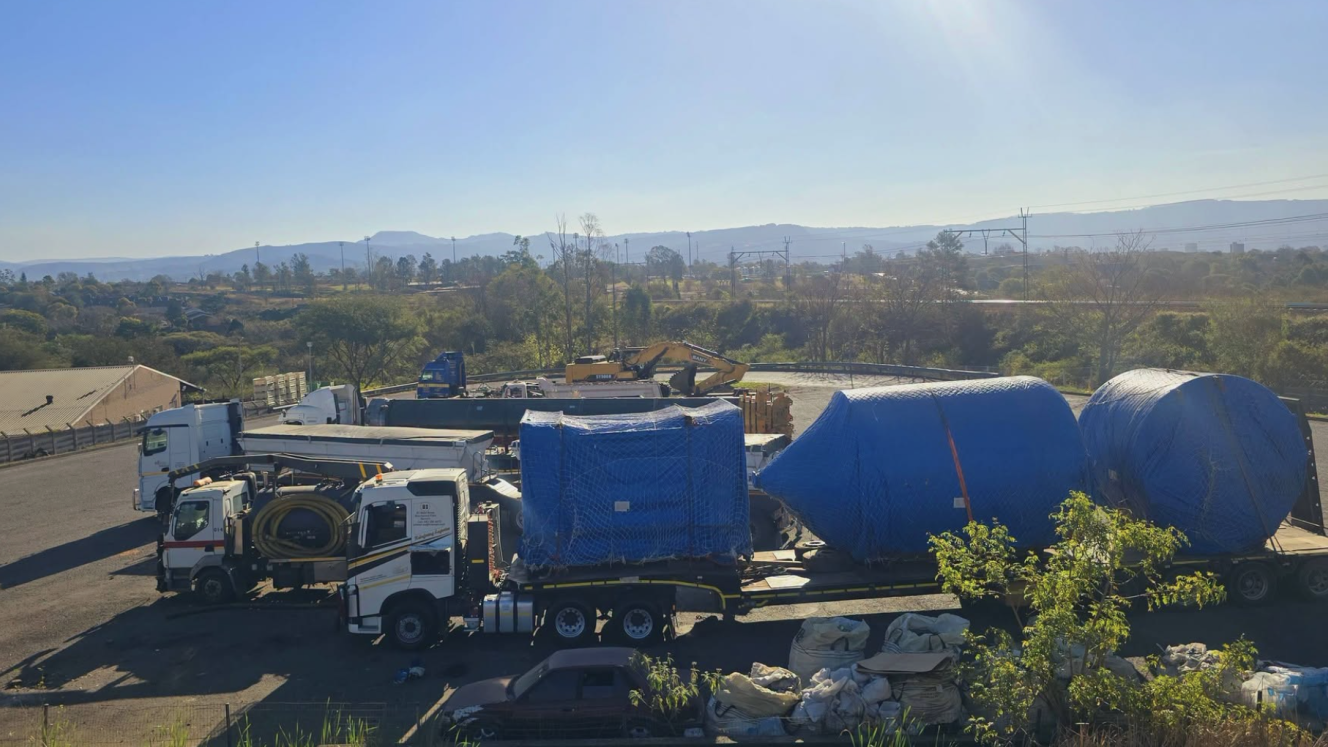
Co-operation between the governments of Namibia, Botswana and South Africa is removing the bottlenecks and improving the infrastructure needed to allow freight to travel freely along the Trans-Kalahari corridor between Gauteng and Walvis Bay. As a result volumes are growing, says Zunaid Pochee, marketing and business development specialist for the Trans Kalahari Corridor Secretariat. Six years ago no one in Gauteng knew about Walvis Bay as an import and export alternative for Gauteng, he says. Volumes are starting to grow exponentially as more and more Gauteng shippers realise that they can save both costs and time for cargo coming from Europe and the Americas. Delays at the borders have been reduced to dwell time of a maximum of 35 minutes for trucks where all the paperwork is in place. Another concern has been the danger of animals – both domestic and wild – on the road in Botswana. “One of the milestones was the completion in October last year of the fencing of certain high-risk sections in Botswana,” says Pochee. Another is the harmonisation of axle load legislation between the three countries. Ongoing upgrading of the road is also helping to smooth the flow of cargo. Road works include the reconstruction of failed sections through Botswana (Sekoma and Morwamosu) and South Africa (N4 and R49 roads). The 1900-km-long Trans-Kalahari Corridor was officially opened in 1998. Achievements since the opening of the route include the speeding up of border formalities and progress in the setting up of one-stop border posts, says Pochee. The first is the Mamuno border post between Namibia and Botswana. It is planned that Namibia side will handle entry and exit clearance for commercial traffic whilst the Botswana side handles entry and exit formalities for passenger buses, private motorists and other travellers. Most of the infrastructure required is in place, with teams from the two governments working on the integration of the customs systems and legislative framework. At the other end of the corridor on the border between Botswana and South Africa there are on-going infrastructure facilities upgrades at Skilpadshek to increase office space and improve access roads. The border posts are open from seven in the morning until midnight. INSERT Delays at the borders have been reduced to dwell time of a maximum of 35 minutes for trucks where all the paperwork is in place. – Zunaid Pochee
Traffic picks up on Trans-Kalahari Corridor
Comments | 0
© Now Media. This content is protected by copyright and may not be adapted or republished. If you would like to discuss cooperation opportunities, please contact: editor@freightnews.co.za.