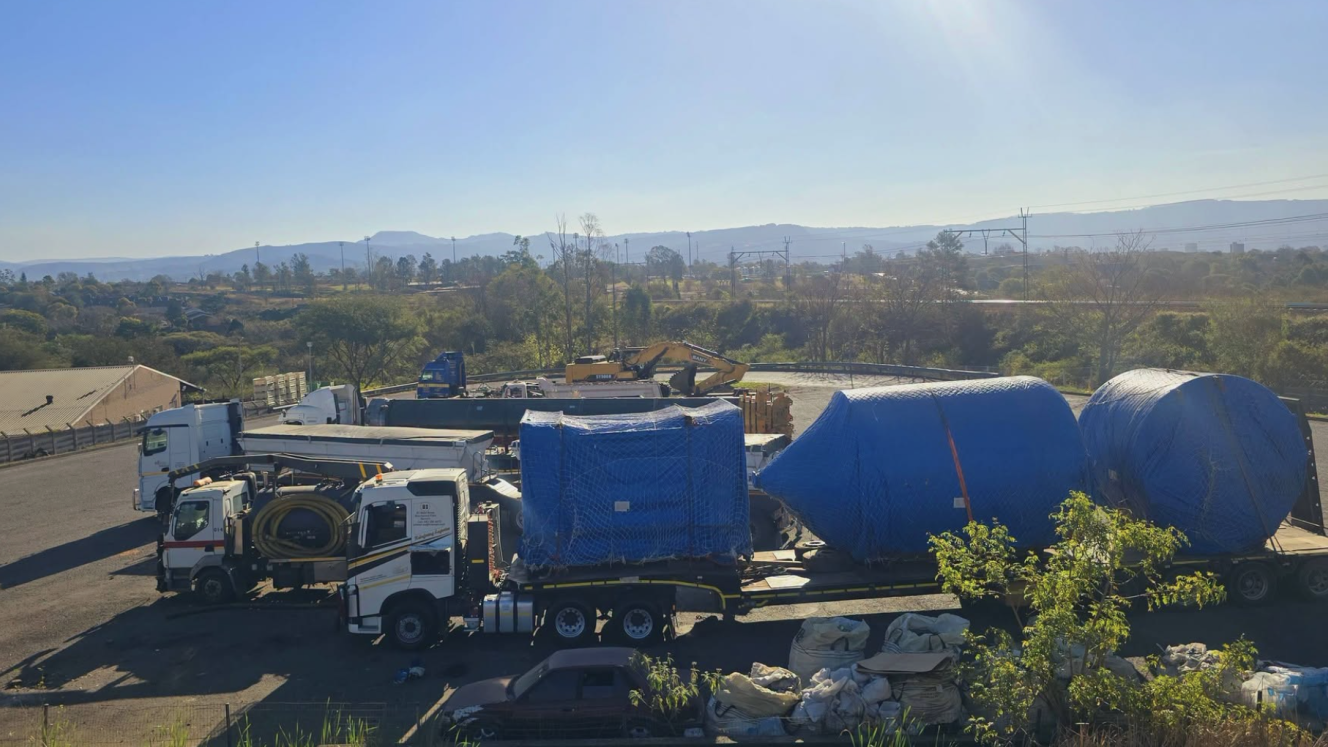
Global disruptions are reshaping cargo flows, with freight forwarders increasingly turning to consolidation as volatility in lead times and freight rates intensifies. According to Michelle Horner, trade and WWA manager at SACO Shipping, ongoing disruption across trade lanes is driving a shift in shipping behaviour, with clients opting for smaller, more frequent shipments to manage risk. “In an unstable and constantly shifting market, loading reliability is essential to ensure cargo moves out of warehouses and onto the first available sailing,” she said. Speaking to Freight News, Horner said consolidation was particularly sensitive to global disruption, with 2026 already emerging as a volatile year across key trade lanes. “Severe weather across the United States and Europe, along with industrial strikes and geopolitical developments, has had a direct impact on both consolidation and full container movements. Increased lead times, currency fluctuations and shifting freight rates are all influencing buying patterns and the overall flow of trade.” She said China and Southeast Asia remained the strongest lanes for import consolidation, followed by Europe and the Mediterranean. “These trades continue to perform consistently. Our network, regular loadings and multi-carrier services enable us to support freight forwarders with reliable consolidation options.” On the export side, SACO has recorded notable growth into Africa across both ocean and road services, a move it attributes to the establishment of a dedicated Africa Desk. “As global logistics players focus more on African markets, our expanding office network allows us to offer visibility and reliability through to final destination,” said Horner, noting that this was particularly important given the complexity of documentation and regulatory requirements across the continent. She added that the operating environment no longer allowed for static service models. “Fluidity and adaptability are essential. Our business is closely tied to carrier schedules, routings and service frequency, requiring constant adjustment to meet customer needs.” The shift is also reflected in customer expectations, with increasing demand for integrated global networks, digital platforms and end-to-end service offerings that minimise third- party handling. At the same time, pricing structures are becoming more volatile. “There is a consistent move away from long-term contract pricing towards spot rates and shorter validity periods. Traditionally, consolidation pricing offered longer-term stability, but this is changing,” said Horner. Operationally, constraints remain, particularly in South Africa, where a limited carrier pool can restrict service options. Changing carrier requirements and cargo mix complexities continue to impact planning and loadings. “Certain commodities, such as phytosanitary products, may be subject to inspection delays at ports, which can affect container release and downstream delivery,” she said. In addition, increasing regulatory requirements are adding another layer of complexity to consolidation. “Advance manifest filing requirements are being implemented by many countries, requiring shipments to be pre-advised before loading. This often involves system integration with foreign authorities, such as ICS2 for Europe and the upcoming MPCI requirements for the UAE.” Horner said understanding and managing these requirements was critical for consolidators operating across global trade lanes. LV
Trade lane disruptions drive up LCL demand
Comments | 0
© Now Media. This content is protected by copyright and may not be adapted or republished. If you would like to discuss cooperation opportunities, please contact: editor@freightnews.co.za.