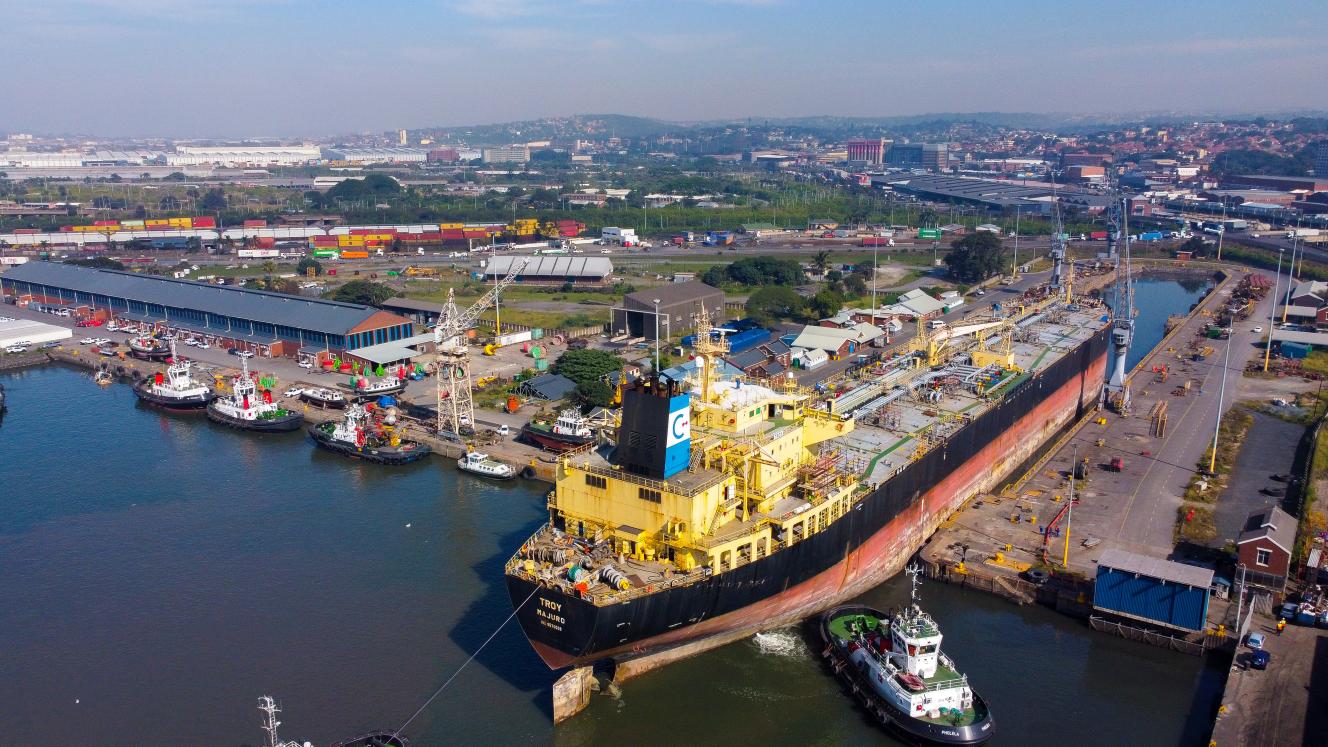
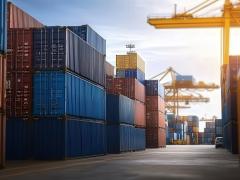
One of the keys to unlocking trade in Africa is enhancing the ports and landside infrastructure, and countries are starting to realise this, says Safmarine Africa region executive Jonathan Horn. “We’re starting to see greater investment in ports and infrastructure which will ultimately translate into better service for our customers. The consequence is a higher degree of reliability and predictability in supply chains which not only enhances service, but reduces cost for both ourselves and our customers. The company’s core geographic focus, says Horn, is on the Middle East, the Indian subcontinent and Africa though this does not mean other regions are unimportant. “By core, we mean that Safmarine has specific experience in and knowledge of doing business in those regions and that we will build on that core competence.” Africa, adds Horn, continues to be an “attractive” investment for people and organisations that are willing to adopt a holistic view to investing that goes beyond the continent’s mineral and agricultural wealth. “Currently very few of Africa’s 54 countries are not import-dominant. Furthermore, much of Africa’s exports are heavy and have a proportionately higher demand for six-metre shipping containers while its imports are generally lighter and largely transported in 12-metre containers. “The import dominance, together with the varying requirements of 6 metre and 12 metre containers between imports and exports, results in an imbalance of equipment which adds to the cost of doing business with Africa as empty shipping containers need to be repositioned in order to serve Africa’s trade with the world.” Horn believes increasing its manufacturing base will give Africa the opportunity to increase exports, thereby improving the balance in trade. This will reduce supply chain costs and increase competitiveness. “Clearly this is medium- to long-term view for Africa,” says Horn. Investment in supply chain infrastructure – particularly in landside access (road and rail) and in secure warehousing facilities – is also key. “Businesses want a reliable supply chain into and out of a country. The less predictable the supply chain, the greater the buffers built into processes and consequently the higher the cost of doing business.”
The future action is in Africa
Comments | 0
© Now Media. This content is protected by copyright and may not be adapted or republished. If you would like to discuss cooperation opportunities, please contact: editor@freightnews.co.za.