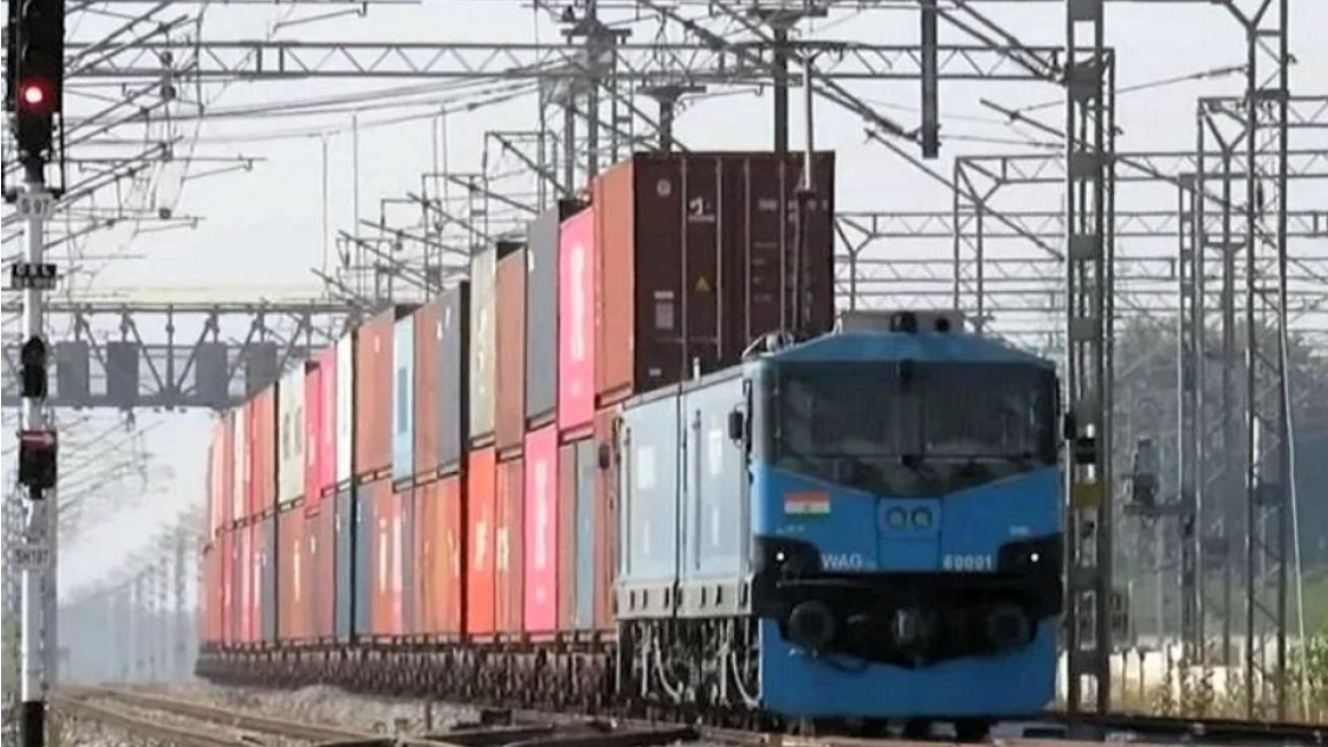
The truck industry faces some critical challenges in the years ahead ranging from volatile currency movements to the government’s intention to move more cargo by rail, according to UD Trucks Southern Africa (UDTSA). While factors such as these may not necessarily decrease the sale of trucks, they will definitely impact on the different market segments, and expectations are that the dynamics within segments will change drastically in the coming years, says the company’s GM for corporate planning and marketing, Rory Schulz. “The move from road to rail for instance will see the softening of extraheavy truck sales as more commodities are moved by rail,” he said. “At the same time though it will increase sales in other truck sectors as the bulk will still have to be broken down and moved by truck in certain areas. We don’t think the tonnage moved by truck will change, but rather the type of truck moving it will change,” he told FTW. The move from road to rail will, however, start becoming a reality sooner rather than later and expectations are that the extra-heavy truck market will begin to feel the impact this year. “Transnet has just announced the procurement of 143 new locomotives as well as its intention to build a new railway line through Swaziland, and these are all factors that could start impacting on the sales in the extraheavy commercial vehicle market,” said Schulz. “Lots of minerals are transported by extra-heavy trucks. We will see this impact, slowly but surely, as these projects are rolled out.” He said Transnet was without doubt more aggressive in its intentions to get more commodities on rail than ever before. “We are also watching the implementation of the e-tolling system in Gauteng very carefully. While the entire process has been put on hold, it will be implemented at some time and will have an impact on us.” According to UDTSA CEO, Johan Richards, external influences, like the Eurozone crisis, are also continuing to have a negative impact on local growth, including job creation, exports and as a consequence, truck sales. The volatile currency due to many investors moving their money out of South Africa was also a concern as it had a major impact on pricing of trucks, while global political insecurity continued to impact on the price of fuel as oil supply and its pricing remained contentious.
TFR’s aggressive stand will impact extra-heavy truck sector
Comments | 0