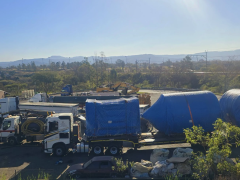
On November 18, traffic on the N1 near Vasco Boulevard in the Western Cape was badly disrupted when the trailer of a large truck caught fire. The trailer’s contents included cleaning products containing ammonia – and of course the heat from the fire caused some of these bottles to explode. From an insurance point of view, this incident raises several important issues. Firstly, in terms of the National Road Traffic Act of 1996, it is an offence for dangerous goods to be packed, marked, consigned, transported or received, except in the manner set out in the Act. Anyone transporting hazardous cargoes in quantities above that which is exempted has to be fully compliant with the Act. Consideration also needs to be given to the mix of cargoes being transported. As the list of these goods and substances is substantial, it affects many operators, some of whom may not realise that they are transporting dangerous cargo. Secondly, who is responsible for the cleaning up of spilled cargo? “Insurance cover for mopping up operations can be purchased, and transporters of dangerous goods should have pollution liability cover in place,” explains Gail Fry, legal & compliance officer with Eikos Risk Applications. She goes on to explain that an effective goods-in-transit policy should provide a certain amount of debris removal cover. In addition to pollution clean-up costs and debris removal, there are also civil liabilities arising from damage to third party property, loss of life or personal injury and potential environmental rehabilitation. Anyone providing transport and logistics solutions in the dangerous cargo arena needs to be certain of the nature of the cargo they carry – alternatively of the indemnities, contracts and insurance covers that they have in place with their trade partners.
TALKING INSURANCE
Comments | 0
© Now Media. This content is protected by copyright and may not be adapted or republished. If you would like to discuss cooperation opportunities, please contact: editor@freightnews.co.za.