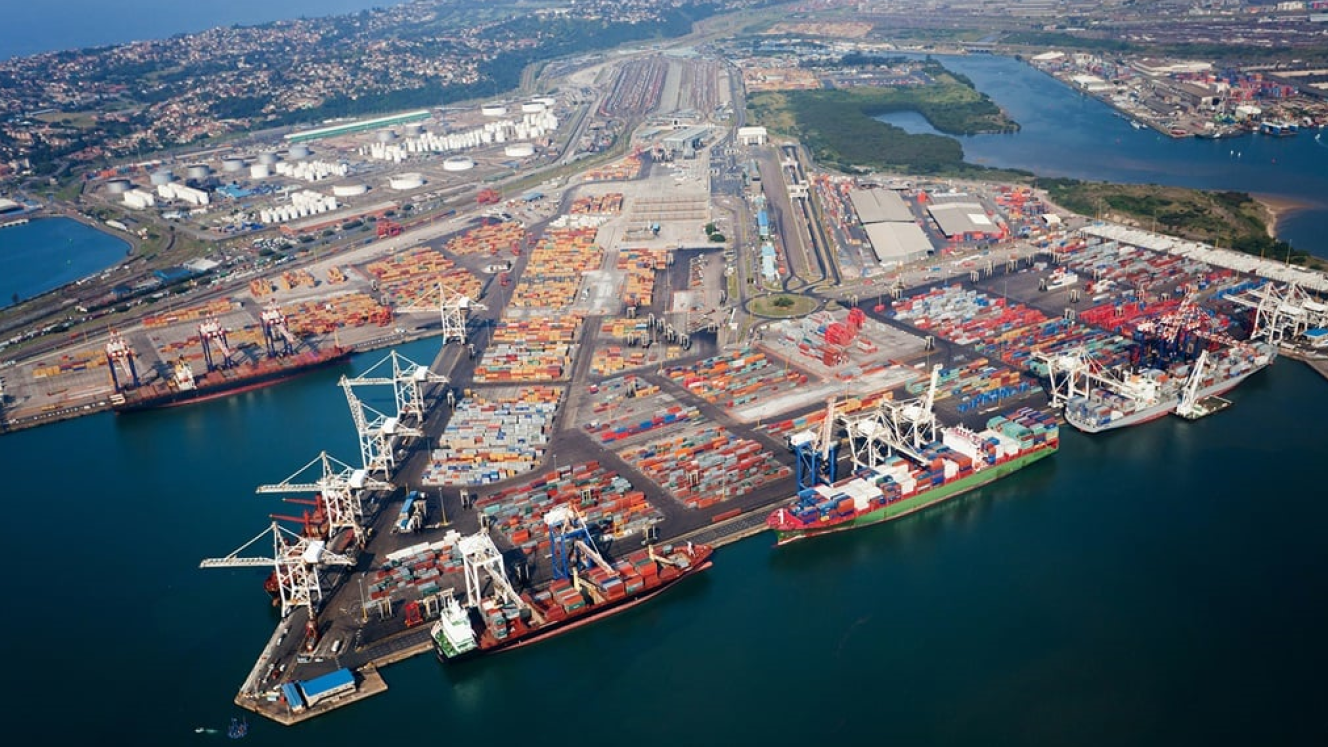
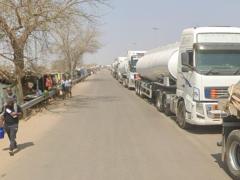
While fuel, wages, tolls and the like are the most obvious reasons for South Africa’s high logistics costs, the bureaucracy governing harbour operations, abnormal permits, the ever-hungry traffic officials and the conditions of the national road network are the less obvious contributing factors, says Carl Webb, MD of Project Logistics Management (PLM). Webb noted that heavy vehicles took a pounding when travelling on this poorly maintained road network. “Of course the industry gets blamed for damaging the roads,” he said, “whereas in fact these roads were never designed for the volumes of vehicles that are required to replace the rail service.” And while the industry agrees that there are too many heavy vehicles on the roads, Webb is adamant that the country again has no other alternative but to use road transport, as the rail network cannot provide scheduled delivery as required. Also, because most companies can no longer afford stock on shelves, they have to rely on stock being delivered as required. Webb pointed out that this put pressure on all concerned in the logistics chain, as companies had to close if they did not have the materials or stock when needed. “Also,” he added, “the ports are battling to keep up with the volumes, even during the lull in which the country finds itself. I shudder to think how they will cope when the economy turns around. This inefficient state of port operations means unnecessary delays for transport operators, resulting in vehicles having to travel after normal working hours – and once again pushing up the costs.” He also pointed out that the abnormal permit regulations in SA were “archaic to say the least”, resulting in higher than necessary costs. “This of course all leads to the traffic officers being hungrier than usual. The harder the authorities make it to comply, the easier it is to take chances and pay your way through. “But, conversely, the easier it is to comply, the more compliance you will have.” Webb suggested that an example was what he termed the abnormal permit fiasco. “It costs about R 3 500 for a legal permit,” he told FTW, “whereas it makes economic sense to hand the driver R 1 000 ‘danger pay’ instead. “Unfortunately, there is an increasing number of transporters operating in this manner – heedless of the insurance implications if there is an incident whilst running illegally.” And now, to top it all, he added, we have our minister of transport introducing legislation restricting heavy vehicles for six hours a day, or 25% of the most productive time. “This will, of course, result in vehicles having to travel during the night and at higher speeds to achieve the same productivity,” Webb said, “which will quite obviously result in more heavy vehicles being involved in accidents. “Surely the opposite of what is intended?” Webb insisted that the RFA was quite right in its motto, ‘without trucks South Africa stops’. “Hopefully, those in authority will see this in time.” INSERT & CAPTION There is an increasing number of transporters who are heedless of the insurance implications if there is an incident whilst running illegally. – Carl Webb
Surfeit of regulations adds to logistics costs
Comments | 0
© Now Media. This content is protected by copyright and may not be adapted or republished. If you would like to discuss cooperation opportunities, please contact: editor@freightnews.co.za.