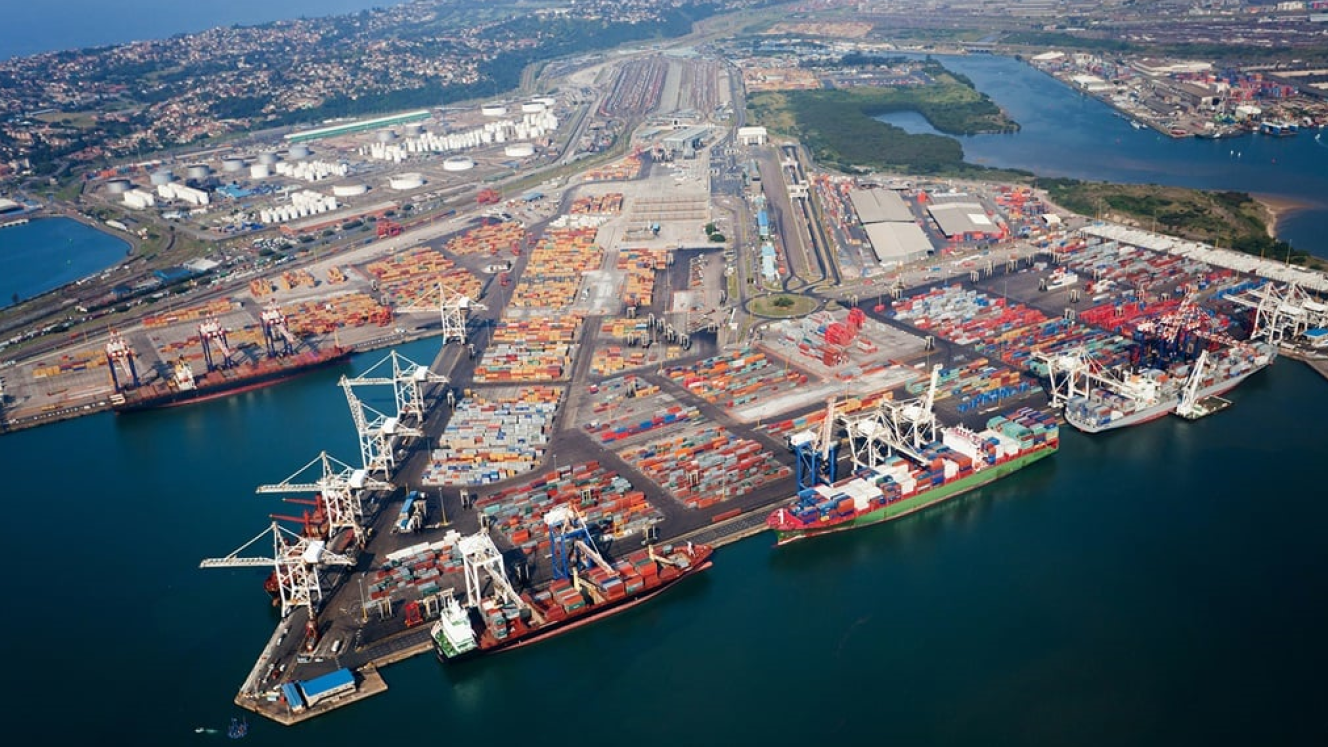
One union may have capitulated and signed an agreement with transport parastatal Transnet to end a strike that has left importers and exporters facing a massive crisis, but the SA Transport Allied Workers Union (Satawu) is adamant it will not give in. Athough the United Transport and Allied Trade Union (Utatu) signed a pay increase deal, which saw the union’s workers return to work on Monday 24 May, the more aggressive union, Satawu, has refused to sign – and has promised to extend the strike by calling for sympathy strikes from other Cosatu sister unions in the transport industry, particularly in the road freight and private portrelated companies. “The ports will continue to remain idle, and freight rail operations and engineering will continue to merely limp along,” said Satawu policy officer and strike negotiator, Jane Barrett. “We now have no option but to step up the pressure both directly and indirectly on Transnet.” Which makes it a bit of an impasse, with acting CE at Transnet, Chris Wells, pointing out they’d already offered workers an above-inflation increase on pensionable earnings. He grumbled that Satawu had rejected this “generous” offer – which, he added, “is at the limit of what is reasonable in the current economic environment”. The Transnet offer is an across-the-board, above-inflation increase on pensionable earnings of 11%, with a new medical aid dispensation – and providing full-time employment to some 1 000 contractors at Transnet Capital Projects. It also ensures that none of Transnet’s employees will earn less than R50 000 per annum; and it will give all bargaining employees an ex gratia payment of R1 000. But replied Barrett: “Satawu wishes to repeat what it has said all along – the 11% offer on basic wages is NOT an 11% increase on the wage bill. Neither is it an 11% increase in take-home pay for most workers. A lower percentage is to be applied to various allowances. In terms of the wage bill, there are considerable savings for Transnet going forward.” Satawu is also sniping at Wells and others on Transnet management who argue that Utatu is the “majority” union amongst its 54 000 workforce. To make matters worse, the major shipping lines – like Maersk Line, Safmarine and MSC – have re-imposed the “congestion surcharge” on all cargo container consignments, and most of the other lines on the SA trades are likely to follow this lead. Indeed, a shipping line executive told FTW: “Virtually every carrier is professing to have implemented a congestion surcharge.” That surcharge, at the moment, is between US$100 and US$150 a box, but might even increase beyond that if the strike does drag on through this week. The strike action, even if it had to come to an end overnight, has left the country reeling with estimates that it has cost the economy billions. Shipping lines are having to conduct an almost impossible sleight-of-hand with ship movements, with ships stuck off various South African shores while others are in ports waiting to be unloaded. In the meantime the impact on the perishable industry continues to take its toll with fears being that the entire fruit export industry could be compromised this year. In the meantime, Transnet has warned those employees who are electing to continue with the strike to respect the rights of colleagues who want to work and not to be led into criminal behaviour.
Shippers pay the price as unions step up the pressure
Comments | 0
© Now Media. This content is protected by copyright and may not be adapted or republished. If you would like to discuss cooperation opportunities, please contact: editor@freightnews.co.za.